

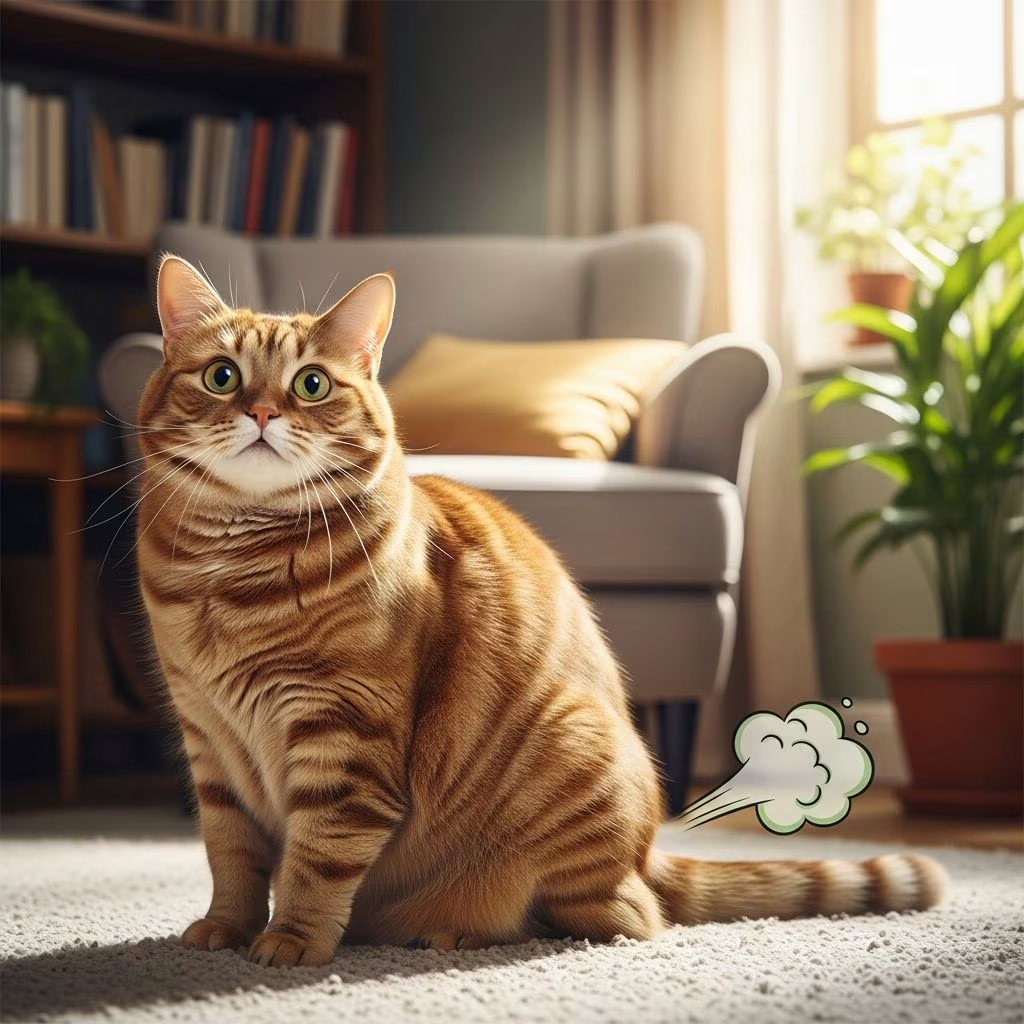
Cats farting occasionally is normal, but persistent or smelly gas often points to digestive upset. Understanding the reasons behind your cat’s flatulence helps you address it effectively, preventing discomfort and potential health issues.
Is It Normal for Cats to Fart?
Yes, cats produce gas as part of digestion, similar to humans. Bacteria in the intestines break down food, releasing gases like hydrogen, methane, and carbon dioxide. Healthy cats pass gas silently and infrequently, often unnoticed. However, noticeable, frequent, or foul-smelling farts indicate excess gas buildup in the gastrointestinal tract.
Normal flatulence occurs 1-2 times daily without odor or other symptoms. When it becomes audible, persistent, or paired with bloating, it’s time to investigate further.
Common Causes of Farting in Cats
Several factors contribute to excessive feline flatulence. Identifying the trigger is key to resolution.
Dietary Issues
The leading cause is diet. Foods high in carbohydrates, fiber, soy, or legumes (like peas, lentils) ferment in the gut, producing gas. Sudden food changes, overeating, or scavenging rotten food exacerbate this. Dairy often triggers issues since many adult cats lack lactase enzyme for milk digestion.
- High-carb dry kibble leads to more fermentation than low-carb canned food.
- New treats or human scraps introduce indigestible ingredients.
- Manufacturer formula changes cause intolerance flare-ups.
Eating Habits
Cats eating too quickly swallow air (aerophagia), trapping it in the stomach and intestines. Competitive multi-cat homes worsen this as felines gulp food to protect it.
Food Intolerances and Allergies
Sensitivities to proteins (chicken, beef) or carbs cause inflammation and gas. Unlike allergies with itching, intolerances primarily affect digestion.
Parasites and Infections
Intestinal worms (roundworms, hookworms) disrupt digestion, leading to gas, diarrhea, and bloating. Bacterial overgrowth or viral infections ferment food abnormally.
Gastrointestinal Disorders
Conditions like inflammatory bowel disease (IBD), microbial imbalance, or motility issues slow digestion, allowing bacterial fermentation. Stress alters gut flora, increasing gas.
Other Factors
Overeating stretches the stomach, promoting gas. Age-related enzyme deficiencies or medications can contribute.
When to Worry About Your Cat’s Farts
Occasional puffs are harmless, but seek veterinary care if flatulence changes suddenly or accompanies symptoms.
| Normal Signs | Worrisome Signs |
|---|---|
| Silent, infrequent | Frequent, loud, foul-smelling |
| No other symptoms | Diarrhea, vomiting, appetite loss |
| Consistent pattern | Sudden onset or worsening |
| Soft abdomen | Bloating, pain, restlessness |
Accompanying borborygmus (rumbling), protruding belly, or lethargy signals urgency. Gradual onset suggests chronic issues like IBD; acute changes point to diet or infection.
How Vets Diagnose Cat Flatulence
Veterinarians start with history and physical exam, checking for pain or dehydration.
- Fecal analysis: Detects parasites or bacteria.
- Bloodwork: Assesses organ function, inflammation.
- Urinalysis: Rules out systemic issues.
- Imaging: X-rays/ultrasound reveal blockages or thickening.
- Biopsy/endoscopy: Confirms IBD.
- Diet trial: Eliminates allergens over 7-10 days.
Specialists may be consulted for complex cases.
Treatments for Excessive Cat Farting
Treatment targets the cause for lasting relief.
Dietary Management
Switch to highly digestible, low-carb canned food with novel proteins. Transition slowly over 7-10 days. Avoid legumes and grains.
Feeding Adjustments
Use puzzle feeders or slow bowls to prevent gulping. Smaller, frequent meals reduce load.
Medications and Supplements
- Dewormers: Eliminate parasites.
- Antibiotics/antivirals: Clear infections.
- Simethicone: Breaks gas bubbles short-term.
- Probiotics/prebiotics: Restore gut balance (e.g., FortiFlora).
- Anti-inflammatories/immunosuppressants: For IBD.
- B12 injections: Aid chronic GI disease.
Lifestyle Changes
Reduce stress with calm environments and play. Test stool regularly for parasites.
Home Remedies and Prevention Tips
While awaiting vet advice:
- Blanch veggies if offered; avoid dairy/beans.
- Split meals into 4-6 small portions.
- Add pumpkin (plain, 1 tsp/day) for fiber balance.
- Introduce probiotics gradually.
Prevent with consistent high-quality diet, annual fecal exams, and slow feeders. Monitor weight to avoid overfeeding.
Frequently Asked Questions (FAQs)
Can worms cause gas in cats?
Yes, intestinal parasites like roundworms produce gas via disrupted digestion. Diagnosed via fecal exam and treated with dewormers.
How can I relieve my cat’s gas at home?
Slow feeding, diet switch to low-carb canned food, and vet-recommended probiotics help. Always consult a vet first.
Do cats fart from eating too fast?
Yes, rapid eating swallows air, causing trapped gas. Slow feeders mitigate this.
Is smelly cat farting dangerous?
Foul odor suggests fermentation from diet, bacteria, or spoiled food. Paired with symptoms, it warrants a vet visit.
Can probiotics help cat flatulence?
Yes, they balance gut bacteria, reducing gas from dysbiosis. Products like FortiFlora are effective.
References
- Flatulence in Cats – Causes, Treatment and Associated Symptoms — Vetster. 2023. https://vetster.com/en/symptoms/cat/flatulence-in-cats
- Do Cats Fart? — PetMD. 2023. https://www.petmd.com/cat/general-health/do-cats-fart
- Do Cats Fart? Explaining Cat Gas — Noble Veterinary Clinics. 2023. https://noblevetclinic.com/blog/do-cats-fart
- Gas in Cats – Symptoms, Causes, Diagnosis, Treatment — WagWalking. 2023. https://wagwalking.com/cat/condition/gas
- Do Cats Fart? Clearing the Air on Feline Flatulence — Berthoud Animal Hospital. 2023. https://berthoudanimalhospital.com/blog/do-cats-fart/
- Flatulence — Best Friends Veterinary Center. 2023. https://bestfriendsvet.com/library/flatulence/



