

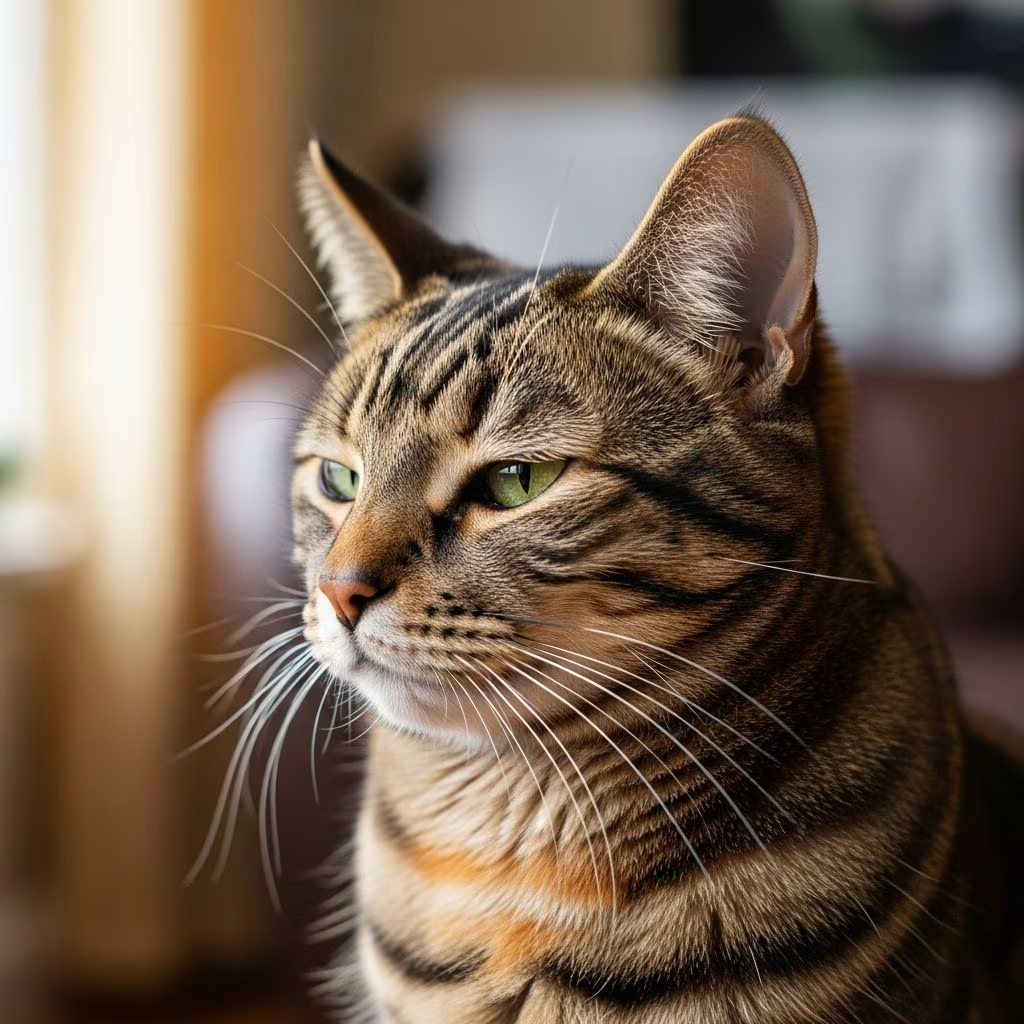
Your cat’s occasional cold shoulder can feel personal, but it’s often rooted in their independent nature, health concerns, or environmental factors. Understanding these behaviors helps strengthen your bond.
Understanding Feline Independence
Cats are descendants of solitary hunters, unlike pack-oriented dogs, making them naturally independent. This trait means they choose when to interact, often ignoring calls if not in the mood. VCA Animal Hospitals notes that cats may simply not want interaction at that moment, reflecting their evolutionary background.
Observing your cat’s body language is key: ears back or tail twitching signals disinterest. Respecting this autonomy prevents forcing interactions that could worsen the ignoring behavior.
Common Reasons Cats Ignore Their Owners
Several factors contribute to a cat’s aloofness. Here’s a breakdown:
- Stress and Anxiety: Changes like new pets, moves, or loud noises trigger withdrawal. Cats hide or ignore to cope.
- Illness or Pain: Subtle signs of health issues include reduced interaction. Lethargy or appetite loss warrants a vet visit.
- Fear or Overstimulation: Sudden movements or unfamiliar scents cause retreat. Gradual desensitization helps.
- Age-Related Changes: Senior cats may ignore due to cognitive decline or arthritis, mistaking owners or feeling discomfort.
- Personality Traits: Some cats are inherently shy or selective, preferring solitude over constant attention.
Stress and Environmental Factors
Household changes disrupt a cat’s sense of security. A new baby, renovation, or even rearranged furniture can lead to ignoring as they process stress. Provide safe spaces like cat trees or covered beds to alleviate this.
Pheromone diffusers, such as Feliway, mimic calming scents and have been shown effective in reducing anxiety-related behaviors. Consistency in routine—regular feeding and play—reassures them.
Health Issues That Cause Withdrawal
Cats are masters at hiding pain, so ignoring can signal underlying problems like dental disease, hyperthyroidism, or urinary issues. Cats.com emphasizes monitoring for other symptoms: weight loss, vomiting, or litter box avoidance. Early veterinary intervention is crucial, as conditions like kidney disease progress silently in felines.
A annual check-up establishes baselines. Bloodwork for seniors detects issues proactively.
| Symptom | Possible Health Issue | Action |
|---|---|---|
| Lethargy & Ignoring | Thyroid or Anemia | Vet Blood Test |
| Appetite Loss | Dental Pain | Oral Exam |
| Hiding More | Arthritis | Mobility Aids |
Fear, Trust, and Socialization
Rescued or poorly socialized cats may ignore due to past trauma. Building trust requires patience: use slow blinks to signal safety, a gesture cats interpret as non-threatening.
Avoid punishment, which erodes trust. Positive reinforcement with treats during calm interactions fosters association with you as a source of good things.
Age and Cognitive Considerations
Kittens ignore playfully during zoomies, while seniors might due to feline cognitive dysfunction (FCD), akin to dementia. Symptoms include disorientation and altered social behavior. Supplements like omega-3s support brain health, per veterinary recommendations.
Personality and Breed Differences
Not all cats are lap cats. Breeds like Siamese are vocal and social, while Persians prefer quiet observation. Assess your cat’s baseline: sudden changes signal issues, stable aloofness is just their style.
How to Encourage Interaction
Reignite the spark with these strategies:
- Interactive Toys: Wand toys mimic hunting, engaging their predatory instincts.
- Scheduled Play: 15 minutes twice daily prevents boredom-induced withdrawal.
- Quality Time: Gentle petting on terms they enjoy—cheeks, not belly.
- Enrichment: Puzzle feeders and window perches stimulate mentally.
- Clicker Training: Rewards build positive responses to your voice.
Patience is vital; forcing cuddles backfires.
Signs It’s Time to See a Vet
If ignoring persists over weeks with symptoms like weight loss, aggression shifts, or incontinence, consult a vet. Rule out medical causes first—behaviorists handle the rest.
Building a Stronger Bond Long-Term
Consistency breeds security. Feed by hand occasionally, mimic grooming with a soft brush. Observe preferences: some cats bond via play, others through quiet proximity (“couch potatoes”).
Multi-cat homes require individual attention to prevent jealousy-driven ignoring.
Frequently Asked Questions (FAQs)
Why does my cat ignore me but greets others?
This could stem from associating you with routines they avoid, like baths. Equalize positive interactions for all household members.
Will my cat ever warm up?
Yes, with time and trust-building. Progress varies by history and personality.
Is ignoring a sign of depression in cats?
Possibly, alongside lethargy. Vets diagnose based on multiple symptoms.
How long should I wait before worrying?
Two weeks of change prompts monitoring; add symptoms, see a vet sooner.
Do cats ignore new owners more?
Often yes, due to adjustment. Familiar scents and routines speed bonding.
References
- Why Does My Cat Ignore Me? When to Worry — Cats.com. 2023-05-15. https://cats.com/why-does-my-cat-ignore-me
- Why Do Cats Ignore Humans? — VCA Animal Hospitals. 2024-02-10. https://vcahospitals.com/resources/behavior-cat/why-do-cats-ignore-humans
- Feline Behavior Guidelines — American Veterinary Medical Association (AVMA). 2025-01-01. https://www.avma.org/resources-tools/pet-owners/petcare/feline-behavior
- Understanding Cat Communication — Cornell University College of Veterinary Medicine. 2024-11-20. https://www.vet.cornell.edu/departments-centers-and-institutes/cornell-feline-health-center/health-information/feline-health-topics/cat-communication
- Cognitive Dysfunction in Cats — PubMed (Peer-Reviewed). 2023-08-12. https://pubmed.ncbi.nlm.nih.gov/37488000/



