

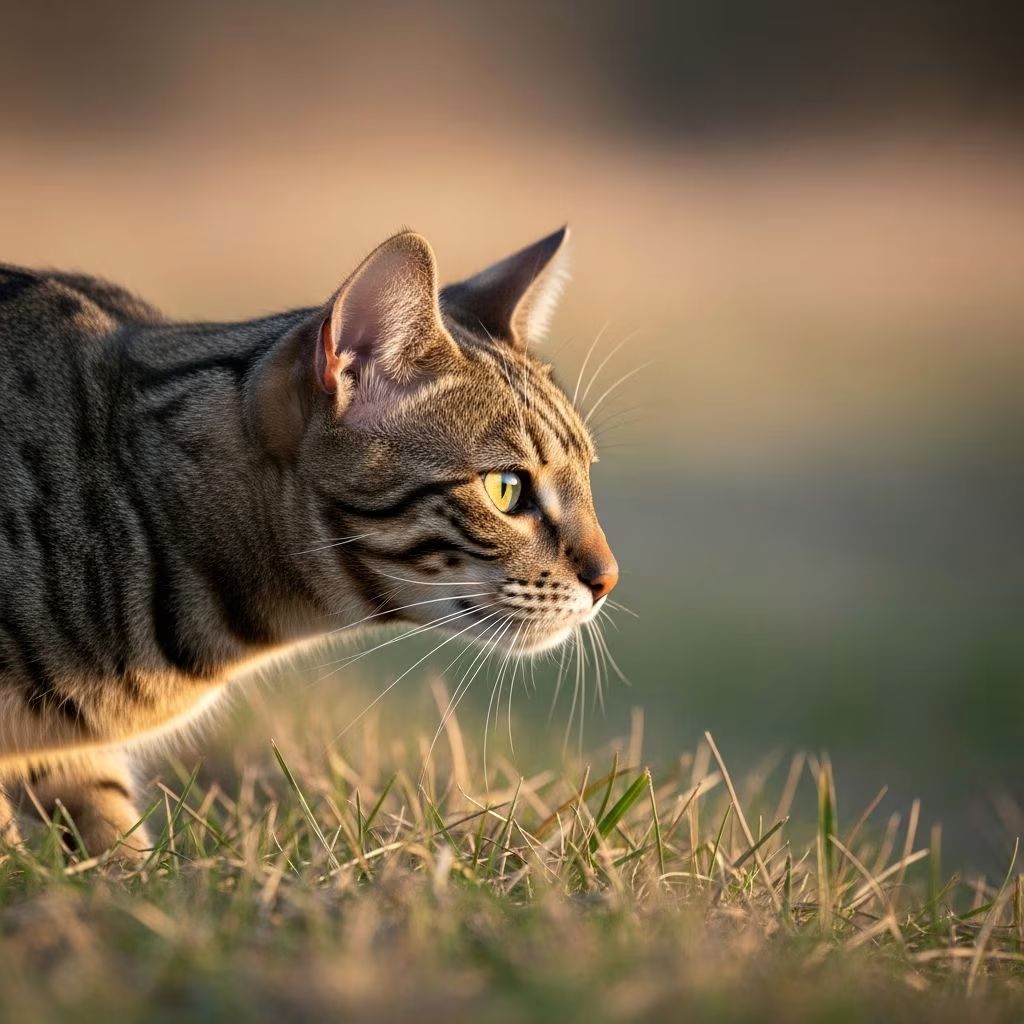
Cats hunt because it is an innate, hard-wired instinct inherited from their wild ancestors, persisting in domestic cats regardless of whether they are hungry or well-fed.
The Instinctual Nature of Cat Hunting
Hunting behavior is deeply embedded in a cat’s DNA, developed over millions of years by wild felines who stalked and chased prey to survive. Even though modern domestic cats receive regular meals from their owners, this **prey drive** remains strong. In the wild, cats hunt frequently—not just when hungry—because prey availability is unpredictable, and waiting until starvation weakens them. Cats are obligate carnivores, requiring multiple small kills daily to meet nutritional needs, often 10-20 hunts per day without human food.
Domestication began with humans employing cats to control rodents threatening grain stores, as in ancient Egypt, but this instinct endures. Neutering does not diminish it, as it is not hormone-driven. Kittens learn hunting through play with littermates and observing their mother, practicing pouncing and stalking from as early as three weeks old. This behavior does not fade with age, unlike some playful tendencies.
Why Do Cats Hunt If They Aren’t Hungry?
Hunger motivates but does not trigger hunting; cats are opportunistic feeders, acting on prey opportunities regardless of satiety to avoid potential starvation. Well-fed cats may hunt more if spotting movement, like scurrying animals, which instinctively activates their response. Studies indicate high-protein diets may reduce hunting frequency, as they better mimic natural prey nutrition.
Domestic life provides ample food, yet cats retain solo hunting patterns from their ancestry. They do not gorge like dogs but prefer small, frequent meals, aligning with multiple hunts. Owners often witness cats stalking or pouncing post-meal, confirming the disconnect between hunting and hunger.
The Hunting Sequence: From Stalk to Kill
Cats follow a structured hunting process: searching, locating, approaching (stalking crouched with head outstretched), capturing (pounce with front paws), killing (bite to neck), manipulating, and consuming. They favor ambush tactics, creeping silently or waiting near burrows to conserve energy and boost success rates.
Stalking involves slow, tense movements accelerating to a sprint. Post-capture, cats may ‘play’ by batting prey to exhaust it, minimizing injury risk from teeth or beaks. This toying reflects conflict: the need to kill versus self-protection. Wild and feral cats rarely toy except mothers training kittens with live prey. Domestic cats direct similar behaviors at toys resembling prey, with intensity increasing if hungry.
Why Does My Cat Bring Me Dead Animals?
Cats often present ‘gifts’ of dead prey to owners, stemming from instinctual sharing. In the wild, mother cats bring kills to kittens unable to hunt; domestic cats view humans similarly—as family to provision. This is not spite but a teaching or bonding gesture, especially from females.
It signals the cat’s hunting prowess, sharing bounty even if unrequested. Confident, extroverted cats bring more prey home, per owner surveys linking personality traits like intelligence and perseverance to higher kills. Shyer or more human-friendly cats hunt less.
Health Risks of Hunting for Cats
While natural, hunting exposes cats to dangers. Prey can injure with bites or scratches; more critically, cats risk parasites, bacteria, and toxins from rodents or birds. Common hazards include toxoplasmosis, fleas, ticks, and secondary poisoning from pest-baited animals.
- Parasites: Toxoplasma gondii from raw meat, causing toxoplasmosis.
- Infections: Bartonella (cat scratch fever) from bites.
- Toxins: Anticoagulant rodenticides in prey.
- Injuries: Fights over territory during hunts.
Outdoor hunters face traffic, predators, and diseases. GPS trackers help monitor and retrieve wandering cats.
How to Stop or Redirect Cat Hunting
Suppressing instincts fully is impossible and stressful; instead, channel them safely.
Enrichment Toys and Play
Use interactive toys mimicking prey: wand toys, laser pointers, battery-operated mice. Play 15-20 minutes daily, ending with ‘kill’ (toy stills). Hunger intensifies play, so schedule before meals.
- Choose fur/feather toys for realism.
- Rotate to prevent boredom.
- Avoid strings unsupervised to prevent ingestion.
Indoor Hunting Alternatives
For indoor cats, puzzle feeders, treat balls, or window perches stimulate stalking. Vertical spaces like cat trees allow ‘ambush’ practice.
Outdoor Management
| Method | Pros | Cons |
|---|---|---|
| Bell Collar | Alerts prey | May not deter skilled hunters; safety risks |
| GPS Tracker | Tracks location | Doesn’t prevent hunting |
| High-Protein Diet | Reduces urge | Not foolproof |
| Leash Training | Controlled outings | Requires patience |
Keep cats indoors at dawn/dusk when active. Confident breeds/individuals hunt more; select less predatory types if wildlife concerns.
Personality and Breed Influences on Hunting
Not all cats hunt equally. Extroverted, perseverant, intelligent cats bring home more kills, spending more time outdoors. Friendly cats prefer indoor company, reducing hunts. Breeds vary, but personality trumps breed often.
Frequently Asked Questions (FAQs)
Is cat hunting a sign of hunger?
No, hunting is instinctual and opportunistic, not solely hunger-driven. Well-fed cats hunt on sighting prey.
Why do cats play with prey before killing?
To exhaust it safely, avoiding injury from teeth/beaks. Domestic cats show this more than wild ones.
Can I train my cat not to hunt?
Instincts can’t be eliminated, but redirection via play and enrichment satisfies the drive.
Are there health dangers from my cat’s hunting?
Yes, including parasites, infections, toxins, and injuries. Veterinary check-ups and preventives help.
Why does my cat only hunt at night?
Cats are crepuscular, peaking at dawn/dusk when prey is active.
Conclusion
Understanding your cat’s hunting reveals their wild heritage. Embrace it through safe outlets for a happier pet and harmonious home.
References
- Cat Hunting Behavior – Guide To Your Cat’s Prey Drive — Tractive. 2023. https://tractive.com/blog/en/good-to-know/cat-hunting-behavior-why-does-my-cat-hunt
- Vet Q&A: Why is my cat hunting? — PDSA. 2024-01-14. https://www.pdsa.org.uk/what-we-do/blog/vet-qa-why-is-my-cat-hunting
- Cats and Their Hunting Behaviour — FOUR PAWS International. 2023. https://www.four-paws.org/our-stories/publications-guides/cats-and-their-hunting-behaviour
- Why Do Cats Bring Dead Animals Home? Understanding Cat Hunting Behavior — ZeroMouse.ai. 2024. https://zeromouse.ai/blogs/overview/why-do-cats-bring-dead-animals-home-understanding-cat-hunting-behavior
- Understanding the hunting behaviour of cats — International Cat Care. 2023-06-01. https://icatcare.org/articles/understanding-the-hunting-behaviour-of-cats
- The confident killer: Why some cats hunt more than others — Advanced Science News. 2024-05-15. https://www.advancedsciencenews.com/the-confident-killer-why-some-cats-hunt-more-than-others/
- Feline Stalking and Hunting — Cat Friendly Homes. 2023. https://catfriendly.com/why-does-my-cat/stalking-hunting/



