

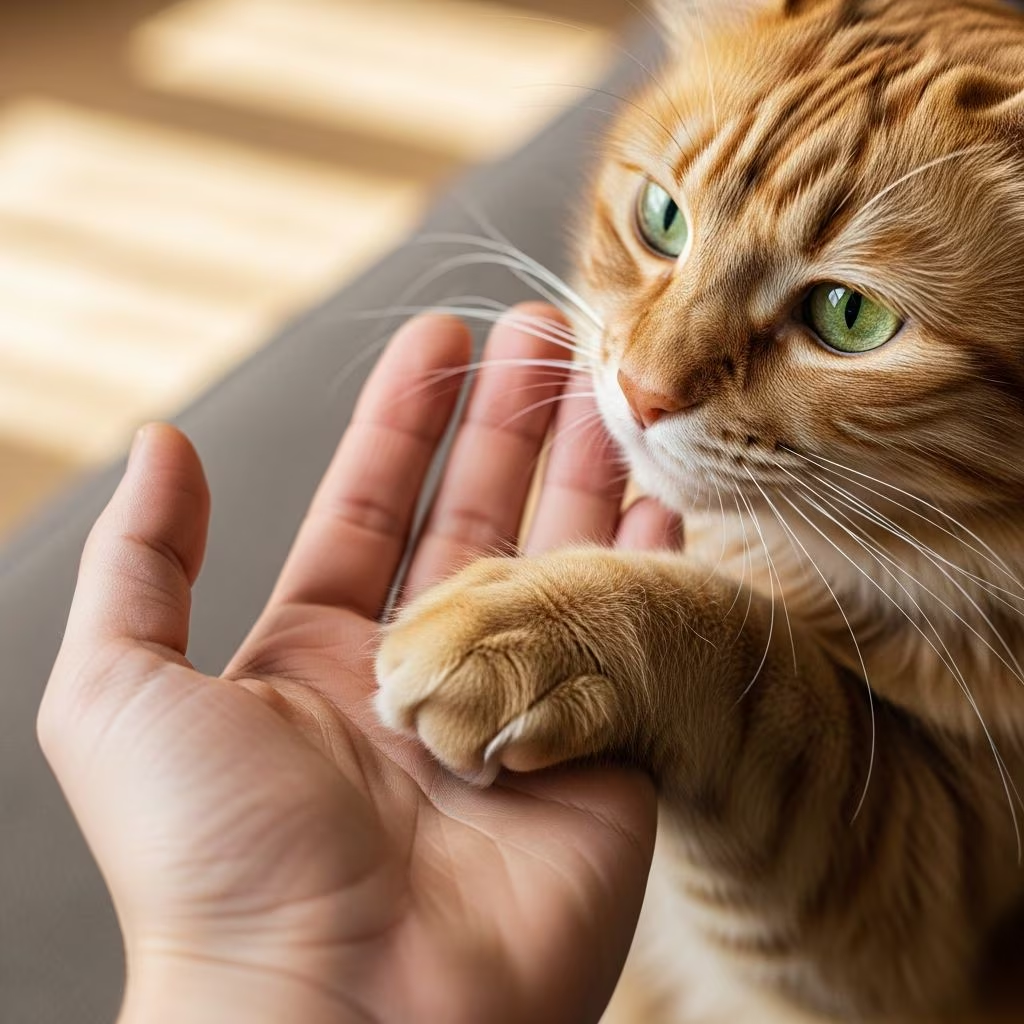
Your cat gently placing its paw in your hand is one of those endearing moments that can melt any pet parent’s heart. This seemingly simple gesture carries deeper meanings rooted in feline communication, trust, and emotion. Cats, often seen as independent creatures, use subtle body language like paw placement to express feelings they can’t vocalize. Whether it’s a soft touch during petting or an insistent grab for attention, understanding this behavior helps you respond appropriately and nurture your bond.
In this comprehensive guide, we’ll explore the top reasons behind this habit, drawing from veterinary insights and behavioral studies. From signs of love to requests for play, you’ll learn to decode your cat’s intentions and enhance your relationship. Let’s dive into the fascinating world of cat paw-holding.
The 10 Reasons Why Your Cat Holds Your Hand
Cats exhibit this behavior for a variety of emotional, instinctual, and practical reasons. Below, we break down the most common explanations, supported by observations from cat behavior experts.
1. Security
Providing a safe environment is key to a happy cat. If your feline feels protected in your home—free from loud noises, unfamiliar scents, or stressors—they may reciprocate by placing their paw in your hand as a thank you. This gesture signifies trust; your cat views you as their protector. Interestingly, cats can also offer protection in return. They might hold your hand to comfort you during your own stressful moments, sensing your mood through subtle cues like slower movements or quieter demeanor.
To encourage this secure bond, maintain a consistent routine, offer hiding spots, and use pheromone diffusers if needed. A cat that feels safe is more likely to initiate physical closeness.
2. Love and Affection
Cats express love uniquely, often through slow blinks, head bunts, or—yes—paw-holding. When your cat rests its paw on your hand, it’s a voluntary display of fondness, akin to a hug in human terms. This is especially common in bonded pairs where the cat has chosen you as their primary human.
Observe the context: if accompanied by purring, kneading, or rubbing, it’s pure affection. Respond gently—perhaps with a soft pet—but respect their boundaries. Forcing a cuddle on a less tactile cat can backfire, leading to withdrawal.
3. Your Cat Needs Attention
Cats are masters of subtle demands. Holding your hand is a polite nudge saying, “Notice me!” This could signal hunger, boredom, or a desire for play. Ignoring it might escalate to paw-wrapping or gentle bites. Kittens and young cats do this most frequently, but adults use it too when feeling overlooked amid busy household schedules.
- Check food and water bowls first.
- Offer interactive toys like feather wands.
- Set aside daily 10-15 minute play sessions.
Meeting these needs promptly reinforces positive communication.
4. To Be Petted
During a petting session, if you pause, your cat might grab your hand to say, “Don’t stop!” This is common on favorite spots like the chin or cheeks. Their paw acts as an anchor, encouraging continuation. Overstimulation signs—twitching tail, flattened ears—mean it’s time to stop, lest it turns into a swat.
Pro tip: Use long, slow strokes mimicking grooming. Alternate with breaks to prevent sensitivity buildup.
5. Scent Marking
Cats have scent glands in their paw pads. Holding your hand deposits their unique scent, claiming you as part of their territory and family. This communal scent-sharing strengthens group bonds, much like allogrooming. It’s a sign of deep integration into their world.
6. Your Cat Is Feeling Playful
Playtime turns hands into toys. A paw on your hand might precede batting or chasing, especially in energetic kittens. This instinct hones hunting skills. Provide alternatives like laser pointers or crinkle balls to redirect energy safely.
- Short bursts: 5-10 minutes prevent overstimulation.
- End on a high note with treats.
- Rotate toys for novelty.
7. You’re Their Comfort Source
On bad days—illness, boredom, or environmental changes—cats seek solace from trusted humans. Paw-holding offers mutual comfort, with your cat drawing reassurance from your steady presence. Monitor for other signs like lethargy, which warrant a vet visit.
8. You’re Annoying
Not all paw placements are sweet. If petting persists past their tolerance, a paw on your hand signals “Enough!” It’s a gentle barrier before claws emerge. Learn their cues: ear twitches, skin ripples.
Respect by stopping immediately and resuming later.
9. Trust and Bonding
Allowing paw contact shows vulnerability, as paws are sensitive. This trust builds over time through positive interactions. Reciprocate by gently holding without squeezing.
10. Your Cat Is Having a Bad Day
Stressors like vet visits or new pets prompt comfort-seeking. Hand-holding soothes them, mirroring how humans hold hands for support. Offer quiet time and familiar toys.
How to Respond When Your Cat Holds Your Hand
Context matters. Stay calm, observe body language, and act accordingly:
| Behavior Context | Best Response |
|---|---|
| Affectionate purring | Gently pet and speak softly |
| Playful batting follows | Engage with toys, not hands |
| Claws out or tense | Withdraw hand slowly |
| During stress | Provide quiet space |
Never punish; it erodes trust. Consistency fosters more positive interactions.
Is Cat Paw-Holding Normal?
Absolutely—it’s a healthy sign of emotional health. Sudden changes, however, merit attention. If paired with aggression, hiding, or appetite loss, consult a vet to rule out pain or anxiety. Regular check-ups ensure quirks stay benign.
Frequently Asked Questions (FAQs)
Why does my cat grab my hand when I pet him?
This often means they want more pets, are overstimulated, or showing affection. Watch for tail flicks indicating stop.
Is it bad if my cat holds my hand with claws?
Mild claws are normal for grip, but aggressive use signals irritation. Trim nails and increase playtime.
Why does my cat only hold my hand at night?
Nighttime is relaxed; they seek comfort or play when you’re sedentary.
Should I hold my cat’s paw back?
Gently, yes—for bonded cats. Force it, and they may retract.
Does this mean my cat is lonely?
Possibly; enrich their environment with vertical spaces and companions if multi-cat.
Enhancing Your Bond Through Paw Gestures
Encourage this by offering your hand palm-up during calm moments. Reward with treats or praise. Over time, it deepens mutual understanding. Cats that paw-hold frequently often have lower stress and higher life satisfaction.
Understanding these nuances transforms everyday interactions into meaningful connections. Your cat’s paw in your hand isn’t random—it’s a testament to the special relationship you’ve built.
References
- Why Does My Cat Hold My Hand? 10 Likely Reasons — Hepper. 2024. https://articles.hepper.com/why-does-my-cat-hold-my-hand/
- Why Does My Cat Hold My Hand? — Charming Pet Guru Official (YouTube). 2024-07-08. https://www.youtube.com/watch?v=Z-zdpp5–RI
- Cat Paw Hold: Quirky Habit — Dial A Vet. 2024. https://www.dialavet.com/vet-answers/post/cat-paw-hold-quirky-habit-50340
- Cats Don’t Put Their Paws on Their Owner’s Hand by Accident — Team Relectric. 2024. https://teamrelectric.ca/article/cats-dont-put-their-paws-on-their-owners-hand-by-accident-whats-behind-this-habit-of-theirs



