

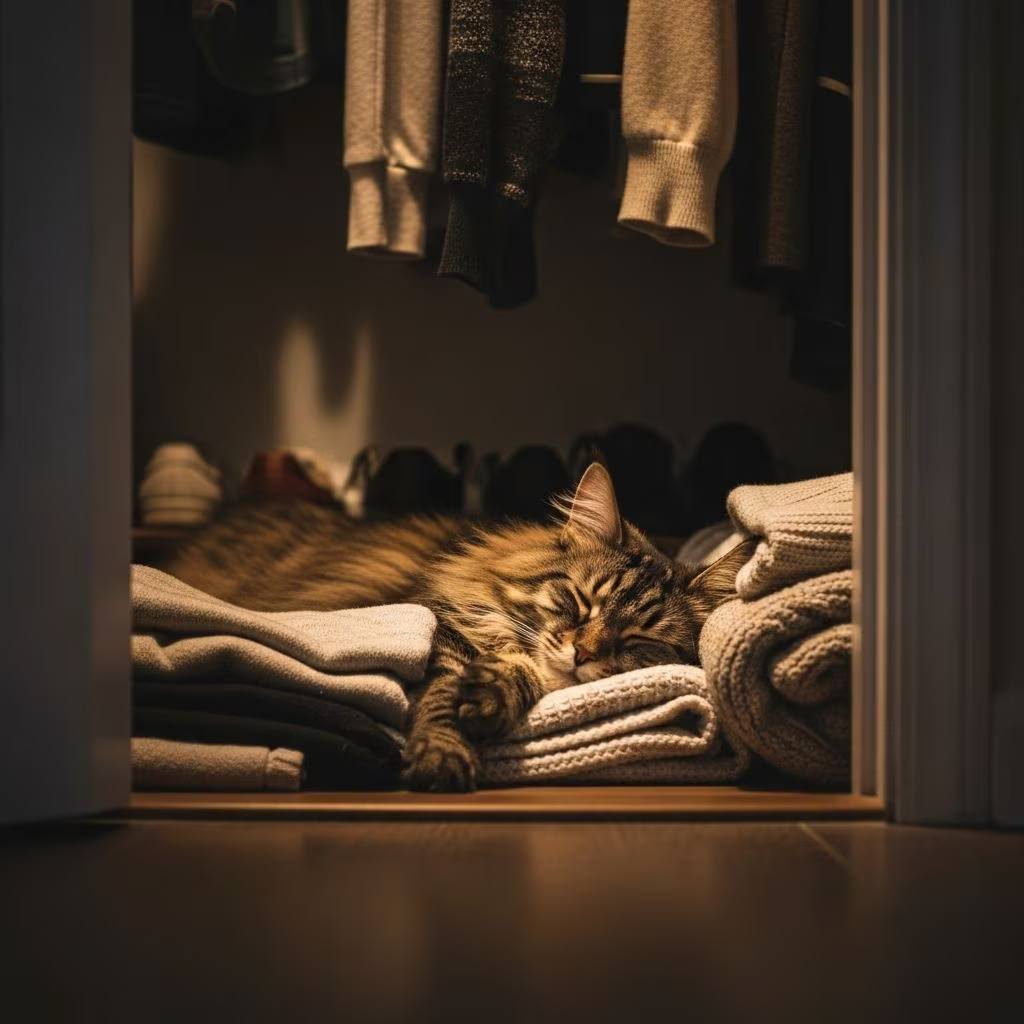
Cats often seek out closets for hiding and sleeping due to their instinctual need for warm, dark, secure spaces that mimic safe dens in the wild. While this behavior is frequently normal, sudden or excessive hiding can signal stress, fear, pain, or illness, warranting a veterinary checkup.
Key Takeaways
- Cats hide in closets for warmth, security, and comfort, reflecting their natural prey instincts.
- Increased hiding may indicate fear from loud noises, stress from household changes, or underlying health issues like pain.
- Always consult a vet for sudden behavioral changes to rule out medical problems.
- Providing alternative safe spaces can reduce unwanted closet hiding while respecting your cat’s needs.
What Drives Hiding Behavior in Cats?
Cats are both predators and prey animals, instinctively hiding to ambush prey or evade threats like foxes or coyotes. This dual nature drives them to seek secluded spots for rest, especially during daylight hours when they are less active. Domesticated cats retain these behaviors, choosing enclosed areas that offer protection from perceived dangers.
Hiding provides psychological comfort, allowing cats to relax fully. Shyer or more anxious cats hide more frequently, while confident ones may sleep openly. Understanding this helps distinguish normal patterns from concerning ones.
Why Is My Cat Hiding?
Several factors explain why cats hide, ranging from benign preferences to serious signals. Here’s a breakdown:
1. Warmth
Cats love warmth due to their small body size and higher surface-area-to-volume ratio, which causes quicker heat loss despite their fur insulation. Closets with fresh laundry or heated floors are ideal cozy spots, much like sunbathing or lap-sitting.
2. Security
As prey animals, cats feel safest in enclosed, elevated, or dark spaces where they can monitor surroundings without exposure. A closet offers back and bottom protection, letting them watch exits while feeling secure. More outgoing cats might skip this, but it’s normal for others.
3. Fear
Loud appliances like vacuums, dryers, fireworks, or boisterous children trigger flight responses. Cats bolt to closets to escape perceived threats humans overlook.
4. Stress
Cats are stress-sensitive; changes like new pets, moves, renovations, or multi-cat tensions cause hiding, over-grooming, or litter issues. Subtle stressors, like a neighbor’s cat visible outside, can provoke this.
5. Illness or Pain
Hiding is a common pain response, masking weakness from predators. Conditions like injuries, infections, dental issues, or chronic diseases prompt isolation. Accompanying signs include appetite loss, lethargy, or aggression when approached.
| Reason | Common Signs | Action Needed |
|---|---|---|
| Warmth/Security | Relaxed posture, purring, consistent pattern | Provide alternatives like cat beds |
| Fear/Stress | Dilated pupils, flattened ears, sudden onset | Reduce triggers, use pheromone diffusers |
| Illness/Pain | Lethargy, hiding + not eating, vocalizing | Vet visit immediately |
Why Is My Cat Hiding in the Closet Specifically?
Closets are prime real estate: warm from towels or clothes, dark and quiet, with tight spaces offering ultimate security. Freshly dried laundry adds irresistible heat and familiar scents. Unlike open beds, closets prevent surprise attacks, aligning with instincts for rear-protected dens.
If your cat chooses the linen closet over others, it might be the warmest or least disturbed. However, frequent door-blocking or resistance to leaving warrants observation for stress or health flags.
Popular Hiding Spots and Why Cats Love Them
- Under the Bed: Dark, quiet, human-proof; smells like you for comfort during parties or chaos.
- Laundry Baskets: Warm from dryer clothes or your scent in dirty ones—perfect for heat-seekers.
- Boxes and Drawers: Enclosed like wild dens; ideal for kitten-birthing instincts or simple relaxation.
- Cabinets/Closets: Secure from behind/below, vantage for watching above/front.
When to Worry: Signs Your Cat’s Hiding Is a Problem
Normal hiding is occasional and relaxed. Worry if:
- Hiding increases suddenly in a social cat.
- Accompanied by eating less, vomiting, limping, or litter avoidance.
- Cat growls or hides from food/affection.
- Lasts days without triggers.
Vets start with history and exams, then tests like bloodwork for issues. Early detection saves lives.
How to Help Your Hiding Cat
- Rule Out Health Issues: Schedule a vet exam for changes.
- Create Safe Alternatives: Offer boxes, tunnels, window perches, or heated beds to redirect.
- Reduce Stress: Use Feliway diffusers, maintain routines, introduce changes slowly.
- Minimize Fears: Desensitize to noises gradually; provide high perches for security.
- Enrich Environment: Toys, scratching posts, play sessions to boost confidence.
Never force cats out; let them emerge naturally to avoid escalating fear.
Frequently Asked Questions (FAQs)
Why would a cat suddenly start hiding?
A normally outgoing cat suddenly hiding often signals fear, stress, or illness. Check for changes like new pets or health symptoms, and see a vet.
Why does my cat go in the closet?
Closets provide warmth, darkness, and security. Sudden preference might mean a cozy discovery or underlying issues like pain—monitor and vet if persistent.
Is it normal for cats to sleep in closets?
Yes, for warmth and safety, especially shy cats. Excessive or new behavior needs vet evaluation.
What if my cat hides and won’t come out?
Tempt with food in safer spots; if aggressive or lethargic, seek vet care for pain or anxiety.
How long is too long for a cat to hide?
Hours are fine; days with no eating/drinking or other symptoms require immediate vet attention.
References
- Why Is My Cat Hiding and Sleeping in the Closet? — Cats.com. 2023. https://cats.com/why-is-my-cat-hiding-and-sleeping-in-the-closet
- Hide and Seek: Is Your Cat Hiding from You? — Hill’s Pet Nutrition. 2023. https://www.hillspet.com/cat-care/behavior-appearance/cat-likes-hiding-in-small-dark-spaces
- Why Is My Cat Hiding? — PetMD. 2023. https://www.petmd.com/cat/behavior/why-is-my-cat-hiding
- Cats Hiding — Cats Protection. 2023. https://www.cats.org.uk/help-and-advice/cat-behaviour/cats-hiding
- Cat Behavior 101: Is Cat Hiding Something to Worry About? — Heart and Paw. 2023. https://heartandpaw.com/pet-parent-resources/cat-hiding
- Hiding Behavior in Cats — Feline Behavior Solutions. 2023. https://felinebehaviorsolutions.com/hiding-behavior-in-cats/



