

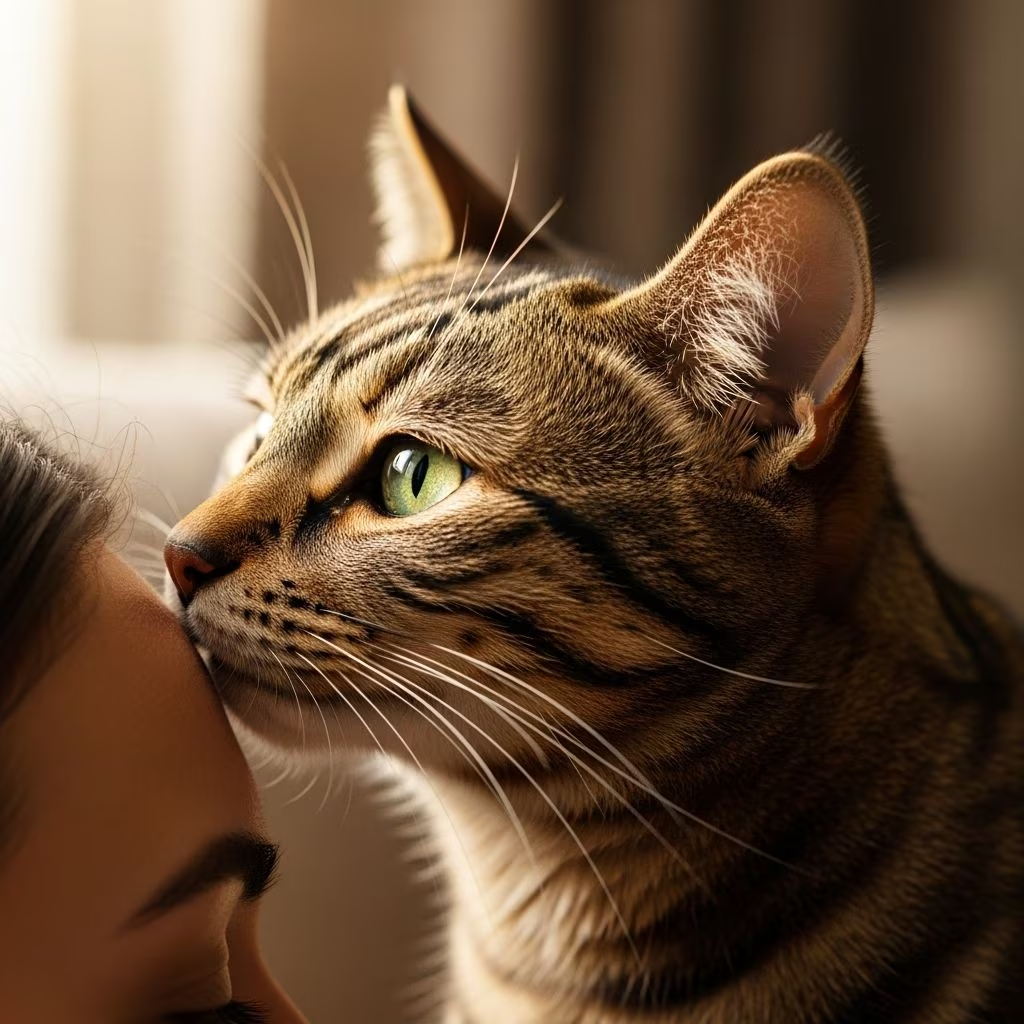
Your cat’s headbutt, often called bunting, is a common and endearing behavior where they gently bump their forehead or cheeks against you. This action reveals much about their emotions and instincts, primarily signaling affection, trust, and ownership through pheromones.
What Is Cat Bunting (Headbutting)?
Cat bunting involves a cat using its head to make initial contact with a person, object, or another animal, followed by rubbing their cheeks along the surface. This distinctive move deposits pheromones from scent glands located on the cheeks, forehead, chin, lips, flanks, paw pads, and tail. These invisible chemical signals create a ‘colony scent’ that comforts the cat and identifies safe zones. Unlike aggressive pressing, bunting is soft and deliberate, often accompanied by purring or slow blinks.
In the wild, felines inherited this from ancestors who used it to bond within prides. Domestic cats extend it to humans they view as family, making it a high compliment of trust.
Why Do Cats Headbutt Their Owners?
Cats headbutt for multiple interconnected reasons, blending social, instinctual, and emotional needs. Here’s a breakdown:
- Affection and Bonding: Headbutting mimics how cats greet and bond with each other, equivalent to a hug in human terms. It’s a subtle expression of love since cats can’t vocalize it like dogs.
- Scent Marking and Territory: By rubbing, cats claim you as part of their territory, spreading pheromones to say ‘you’re mine’ and integrate you into their safe space.
- Trust and Security: Exposing scent glands is vulnerable; cats only do this with those they fully trust, indicating emotional connection and relaxation.
- Greetings and Attention-Seeking: A morning headbutt or one upon your return home serves as ‘hello.’ If persistent during activities, it requests pets, play, or food.
- Self-Soothing: The act releases comforting pheromones, reducing stress and mapping familiar environments.
These motivations often overlap—a single headbutt might convey love while marking territory.
Reasons Cats Headbutt Humans
Delving deeper, specific triggers prompt headbutts:
- Social Recognition: Cats headbutt familiar faces to reaffirm bonds, refusing it signals distrust.
- Environmental Comfort: They also bunt furniture or walls to spread scent, feeling more secure in their scented world.
- Personality Influence: Confident, outgoing cats bunt more; in multi-cat homes, dominant ones initiate to assert friendly territory sharing.
- Contextual Cues: Evening headbutts might precede bedtime cuddles, while assertive ones demand immediate interaction.
| Context | Possible Meaning | Cat Body Language |
|---|---|---|
| Morning/Greeting | Hello & affection | Purring, tail up |
| During Work/Phone Use | Attention/Play | Persistent rubbing, meowing |
| Before Meals | Food request | Excited circling |
| Stressful Times | Self-soothing | Slow blinks, kneading |
This table illustrates how timing and cues refine interpretation.
Is Headbutting a Sign of Affection?
Yes, headbutting strongly indicates affection. While scent marking is key, cats reserve it for trusted companions, blending possession with endearment. It’s not mere territory claim but creating shared familiarity. Refusal from a cat suggests wariness, while enthusiastic bunting affirms you’re family. Experts note it’s a ‘cat kiss,’ vulnerable and loving.
Headbutting Between Cats
Inter-cat headbutts mirror owner interactions, fostering colony scents and bonds. In multi-cat households, it signals harmony—cats rub to unify scents, reducing conflicts. Kittens learn from littermates, carrying it into adulthood. If new cats avoid it, gradual introductions via shared scents (e.g., Feliway diffusers) help. Watch for ears back or hissing, which differentiates friendly from tense bunting.
Headbutting vs. Other Cat Behaviors
Distinguish bunting from similar actions:
- Nuzzling: Softer face-rubbing, often with gentle bites in kittens, purely affectionate.
- Head Pressing: Firm, prolonged pressing against walls (non-sleeping) signals illness like neurological issues—vet urgent.
- Aggressive Bunting: Forceful rubs in threatened males mark amid rivals, not affection.
Body language clarifies: relaxed tails and purrs mean love; stiff posture warns otherwise.
How Should You Respond to Cat Headbutts?
Reciprocate positively to strengthen bonds:
- Pet Gently: Stroke cheeks/forehead to mingle scents.
- Slow Blinks: Mimic to affirm trust.
- Provide Needs: If attention-seeking, play or feed.
- Avoid Pushing Away: Rejection erodes trust.
Encourage with catnip toys or pheromone products for shy cats.
When to Be Concerned About Headbutting
Rarely problematic, but flag:
- Sudden aggression or over-bunting amid new pets/stress.
- Accompanied by lethargy, appetite loss (health check).
- Head pressing or imbalance.
Consult vets for changes; most headbutts are joyful.
Frequently Asked Questions (FAQs)
Why does my cat headbutt me when I’m sleeping?
They seek to wake you for food, pets, or breakfast cuddles—common morning ritual.
Why does my cat aggressively headbutt me?
Assertive demand for needs or territorial response to threats; males may mark more.
Why does my cat headbutt me and then bite?
Affectionate ‘love bite’ post-nuzzle, especially kittens; ensure play follows.
Do all cats headbutt?
No, shy or less social cats bunt less; breed/personality varies, but most do with trust.
Should I worry if my cat stops headbutting?
Possible stress/illness; monitor and enrich environment.
Conclusion
Cat headbutts blend affection, scent marking, greetings, and trust—a profound feline compliment. Embrace them to deepen your bond; understanding elevates companionship.
References
- Cat Headbutts: What They Mean — Petcube. 2023. https://petcube.com/blog/cat-headbutt-me/
- Why Do Cats Headbutt? | Cat Bunting — The Rescue Vets. 2024-01-15. https://therescuevets.com/education-resources/cat-care-tips/why-cats-headbutt/
- Why Does My Cat Headbutt Me? — Purina US. 2024. https://www.purina.com/articles/cat/behavior/understanding-cats/why-does-my-cat-headbutt-me
- Why does my cat headbutt me: is it a sign of affection? — Catsan UK. 2023. https://www.catsan.co.uk/cat-litter-tips-and-advice/why-does-my-cat-headbutt-me-is-it-a-sign-of-affection
- A Kitty’s Point of View: Why Does My Cat Headbutt? — FELIWAY UK. 2023. https://www.feliway.co.uk/blogs/news/a-kittys-point-of-view-why-does-my-cat-headbutt



