

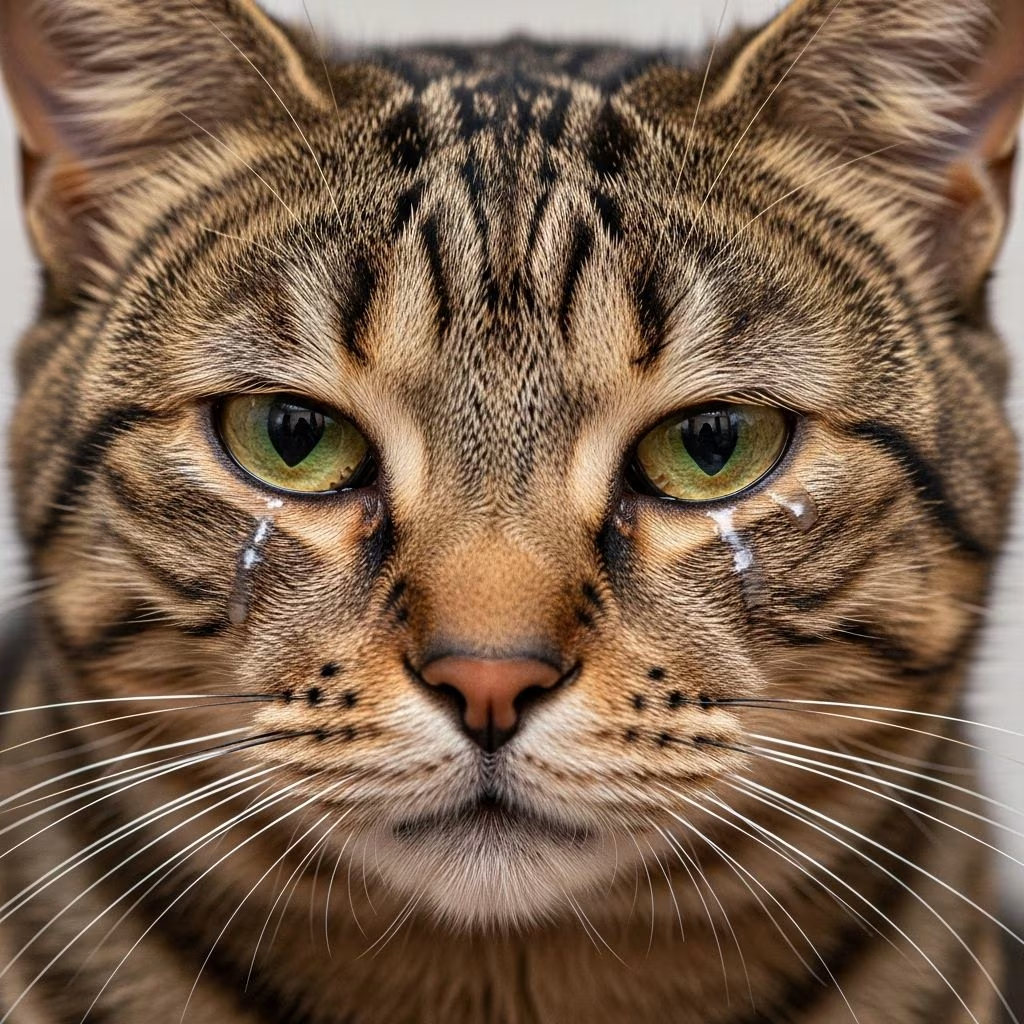
Tear-stained eyes in cats, medically known as **epiphora**, occur when excessive tears overflow from the eyes, leaving reddish-brown streaks on the fur beneath them. This condition is common, especially in flat-faced breeds, and manifests as dampness around the eyes along with staining due to porphyrins in tears reacting with air.
While often cosmetic, persistent tear staining can indicate underlying health issues like blocked tear ducts, infections, or allergies. Understanding the causes helps cat owners address it promptly to prevent skin irritation or vision problems.
What Causes Tear Stains in Cats?
Epiphora results from either overproduction of tears or inadequate drainage through the nasolacrimal ducts. These tiny ducts carry tears from the eye corners to the nose and throat. Blockages or anatomical issues prevent proper flow, leading to overflow and staining.
Common causes include:
- Brachycephalic (flat-faced) breeds: Persians, Himalayans, Exotics, and Persians have shallow eye sockets and poor eyelid conformation, impeding tear drainage.
- Blocked tear ducts: Congenital narrow ducts or inflammation obstruct flow.
- Conjunctivitis: Inflammation from bacteria, viruses, or allergies causes excess tearing.
- Corneal ulcers or injuries: Scratches irritate the cornea, prompting reflex tearing.
- Allergies and irritants: Pollen, dust, smoke, or cleaners trigger watery eyes.
- Eyelid abnormalities: Entropion (inward-rolling lids) or distichiasis (misplaced lashes) irritate eyes.
- Infections: Bacterial or viral issues lead to discharge and staining.
- Glaucoma or other diseases: Increased eye pressure causes tearing; rare in cats but serious.
Breeds like Persians are genetically predisposed due to their facial structure, making epiphora chronic but often benign.
Symptoms of Epiphora in Cats
Beyond visible reddish-brown stains, watch for these signs indicating epiphora or complications:
- Damp fur under eyes, sometimes with odor from skin irritation.
- Excessive blinking, squinting, or pawing at eyes.
- Thick, colored discharge (yellow/green suggests infection).
- Redness, swelling, or cloudiness in eyes.
- Rubbing face on surfaces or sensitivity to light.
- In severe cases, vision changes or skin infections from constant wetness.
| Symptom | Possible Cause | Severity |
|---|---|---|
| Clear tears, staining only | Drainage issue (e.g., breed trait) | Low |
| Yellow/green discharge | Bacterial infection | High – Vet needed |
| Squinting, redness | Ulcer or conjunctivitis | Medium-High |
| Bloody or cloudy eye | Trauma or glaucoma | Emergency |
When to See a Vet for Cat Tear Stains
Not all tear staining requires intervention, especially in predisposed breeds. However, consult a vet if:
- Staining is sudden or worsening.
- Accompanied by discharge, odor, swelling, or behavioral changes like pawing.
- Affects one eye only (suggests injury or ulcer).
- Your cat squints, avoids light, or shows pain.
Vets perform exams, fluorescein staining for ulcers, or flush tear ducts. Early detection prevents complications like chronic infections.
How to Treat Tear Stains in Cats
Treatment targets the root cause:
- Cleaning: Gently wipe eyes daily with vet-approved saline or wipes to remove debris and prevent staining.
- Medications: Antibiotic drops for infections, anti-inflammatories for allergies.
- Surgery: For blockages, duct flushing or correction of entropion; stenting in severe cases.
- Artificial tears: For dry eye (KCS), though rare in cats.
Avoid over-the-counter products without vet advice, as they may worsen issues.
Home Remedies and Prevention for Cat Tear Stains
Preventive care minimizes epiphora:
- Daily hygiene: Use soft cloths or hypoallergenic wipes; dry fur thoroughly.
- Diet: High-quality food reduces allergens; filtered water may help staining.
- Environment: Reduce irritants like smoke, dust; use air purifiers.
- Grooming: Trim face fur in long-haired breeds.
- Regular checkups: Early detection for at-risk breeds.
Some use diluted apple cider vinegar rinses anecdotally, but evidence is limited—consult vet first.
Breeds Prone to Tear Staining
Brachycephalic cats are most affected:
- Persian
- Himalayan
- Exotic Shorthair
- Burmese (some lines)
- Siamese (occasionally)
These breeds’ facial structure causes lifelong shallow drainage, but health management keeps it cosmetic.
Frequently Asked Questions (FAQs)
Is epiphora harmful to my cat?
Usually cosmetic, but constant wetness risks skin infections or signals issues like ulcers. Monitor closely.
Can tear stains cause vision loss?
Untreated underlying causes like glaucoma or ulcers can, so vet evaluation is key.
How do I clean my cat’s tear stains safely?
Use vet-recommended saline wipes daily; avoid soaps or human products.
Are tear stains contagious?
No, but infections causing them (e.g., conjunctivitis) can be.
Can diet affect cat tear stains?
Poor diet may exacerbate allergies; hypoallergenic food helps some cats.
Conclusion
Tear-stained eyes in cats often stem from benign drainage issues but warrant attention to rule out serious conditions. Routine care and vet visits ensure your feline’s eyes stay healthy and clear.
References
- Epiphora in Cats, AKA Cat Tear Stains — Whisker. 2023. https://www.whisker.com/blog/epiphora-cat-tear-stains
- Cat Eye Infection? Signs And Treatment — Shallowford Animal Hospital. 2024. https://shallowfordvet.com/cat-eye-infection/
- Feline – Epiphora — Pet Assure. 2023. https://www.petassure.com/education/cat-disease/feline-epiphora-insurance/
- Eye Discharge (Epiphora) in Cats — VCA Animal Hospitals. 2024-01-15. https://vcahospitals.com/know-your-pet/eye-discharge-or-epiphora-in-cats
- Tear Production And Good Ocular Hygiene In Dogs And Cats — iMed Animal Health. 2023. https://imedanimalhealth.com/blogs/articles/tear-production-and-good-ocular-hygiene-in-dogs-and-cats
- Cat Runny, Watery Eyes: Causes and Treatments — WebMD. 2024. https://www.webmd.com/pets/cats/causes-of-feline-watery-eyes



