
Why Does My Cat Have Hiccups? Causes & Solutions
Discover the causes of cat hiccups and learn effective solutions to help your feline friend.
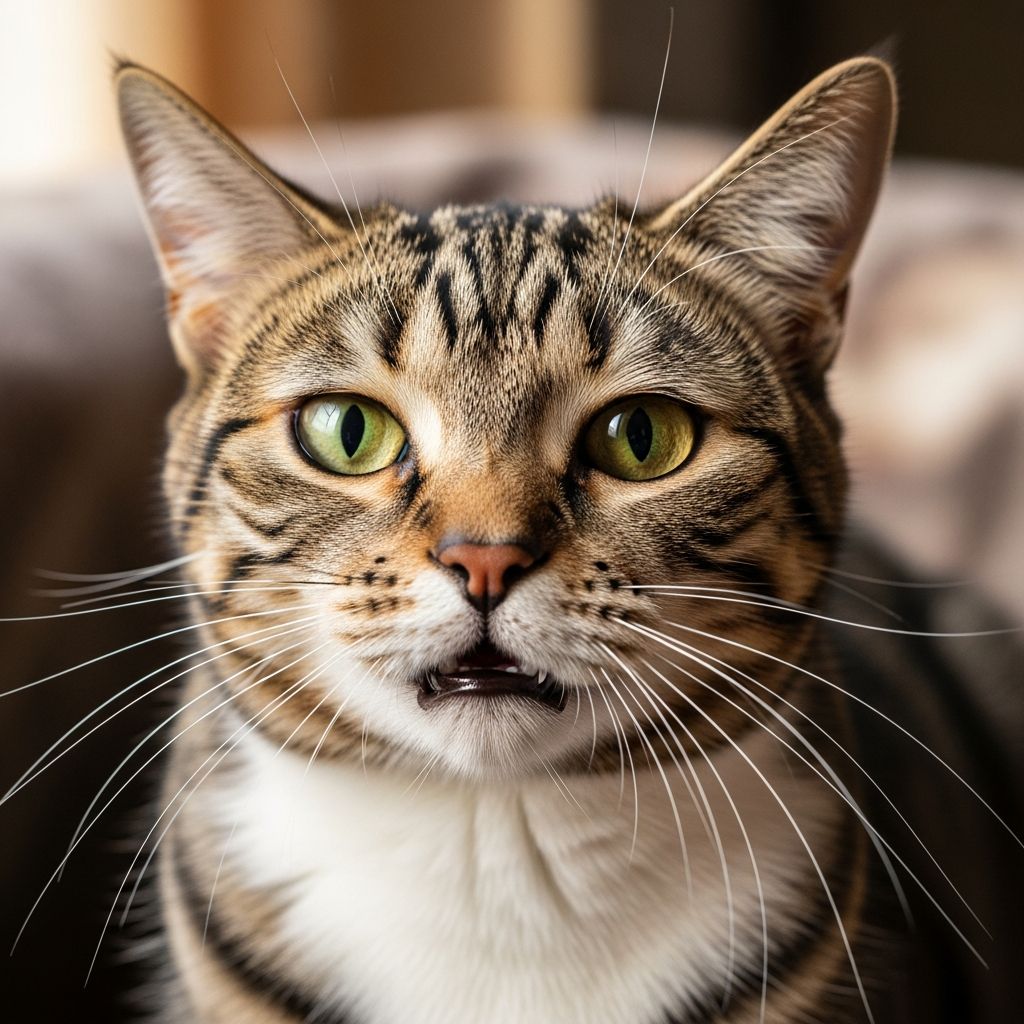
Why Does My Cat Have Hiccups? A Complete Guide for Cat Owners
If you’ve ever heard your beloved cat make a strange chirping or gulping sound, you might have witnessed feline hiccups. While hiccups are common in cats, many pet owners wonder what causes them and whether they should be concerned. Understanding cat hiccups can help you determine when they’re simply a normal bodily function and when they might indicate an underlying health issue.
What Are Cat Hiccups?
Hiccups in cats, just like in humans, are involuntary spasms of the diaphragm, the large dome-shaped muscle located behind the lungs and at the end of the rib cage. The diaphragm is responsible for controlling breathing by contracting and relaxing rhythmically. When something irritates the nerves that supply the diaphragm, it causes these muscles to spasm involuntarily.
When the diaphragm spasms, a cat suddenly inhales air through its mouth. This air then hits the vocal cords in the throat, causing them to suddenly close. This creates the distinctive sound we recognize as hiccups. However, unlike human hiccups that produce a clear “hic” sound, cat hiccups often sound more like a chirp, gulp, or even a strange clicking noise.
Hiccups are more prevalent in kittens than in adult cats, but felines of any age can experience them. Most of the time, these episodes are completely harmless and resolve on their own without any intervention needed.
Common Causes of Cat Hiccups
There are several reasons why your cat might develop hiccups. Understanding these causes can help you better manage your pet’s health and determine when professional veterinary care is necessary.
Eating Too Quickly
The most common cause of hiccups in cats is eating too fast. Cats naturally have a habit of not chewing their food properly and swallowing large amounts of air while eating. This rapid consumption and air intake can trigger diaphragm spasms, leading to hiccups. If you notice your cat getting hiccups immediately after mealtime, this is likely the culprit.
Overeating
Just as in humans, overeating can cause hiccups in cats. When a cat consumes too much food at once, it can stimulate the diaphragm and trigger spasms. Beyond hiccups, eating too quickly and overeating can also cause stomach upset and vomiting in your feline companion.
Hairballs
Hairballs are another significant cause of hiccupping in cats. When hairballs irritate the esophagus and the nerve that supplies the diaphragm (the phrenic nerve), your cat may attempt to loosen or cough up the hair using their throat muscles, which can trigger hiccups.
Swallowing Air During Drinking
Sometimes hiccups occur when cats drink too quickly or drink too much water at once. Similar to eating, rapid water consumption can cause them to swallow extra air, leading to diaphragm irritation.
Excitement or Temperature Changes
Environmental factors can also play a role in triggering hiccups. Excitement, stress, or exposure to cold temperatures can all stimulate hiccups in kittens and young cats. Their nervous systems are still developing, making them more susceptible to these triggers.
Immature Nervous System in Kittens
Kittens are more prone to hiccups because their nervous systems aren’t fully developed yet. The phrenic nerve, which controls the diaphragm, is less mature and more easily irritated in young cats. This is why hiccups are particularly common in kittens and typically resolve as they mature.
When Should You Be Concerned?
While most cat hiccups are harmless and temporary, there are situations where they warrant veterinary attention. Knowing the warning signs can help you protect your cat’s health.
Duration and Frequency
Occasional hiccups that last only a few minutes to a few hours are completely normal. However, if your cat’s hiccups persist for more than a day or occur frequently and regularly, this could indicate an underlying medical condition. A sudden increase in hiccupping frequency, especially in older cats, should always be evaluated by a veterinarian.
Associated Symptoms
Pay attention to additional symptoms that may accompany the hiccups. If your cat exhibits any of the following signs along with persistent hiccups, contact your veterinarian immediately:
- Vomiting or dry heaving
- Excessive drooling
- Loss of appetite
- Sudden weight loss
- Lack of energy or lethargy
- Seizures or tremors
- Difficulty breathing
- Changes in behavior or appearance
Underlying Medical Conditions
Chronic or persistent hiccups could be a symptom of several serious medical conditions that require professional diagnosis and treatment:
- Feline asthma
- Heart disease or cardiovascular ailments
- Intestinal parasites or parasitic infections
- Heartworm disease
- Food allergies
- Ingestion of a foreign body
- Infections
- Tumors or cancer
- Organ disease
- Nerve problems
- Anatomical abnormalities at the back of the throat
How Long Do Cat Hiccups Last?
In most cases, cat hiccups are self-limiting and will resolve on their own. Typically, hiccupping episodes last anywhere from a few minutes to a few hours without any intervention needed. The hiccups should disappear naturally as the diaphragm relaxes and returns to normal function.
However, if hiccups continue beyond a few hours or recur frequently, it’s time to consult with your veterinarian to rule out underlying health issues.
How to Help Your Cat with Hiccups
While cat hiccups usually resolve on their own, there are several things you can do to help your feline friend feel more comfortable during an episode.
Create a Calm Environment
Provide your cat with a peaceful, quiet space where they can relax. Stress and anxiety can exacerbate hiccups, so minimizing environmental stimulation helps. Avoid attempting to startle or frighten your cat to cure their hiccups, as this popular human remedy will only cause your cat stress and could lead to behavioral or health problems.
Ensure Access to Fresh Water
Make sure your cat has plenty of fresh water available. Some cats prefer running water, so consider providing a cat water fountain or allowing them to drink from a tap. However, never force your cat to eat or drink.
Adjust Feeding Practices
If hiccups occur frequently after meals, modify your cat’s feeding habits to prevent future episodes:
- Use a slow feeder bowl designed to prevent rapid eating
- Feed smaller portions more frequently throughout the day
- Feed your cat in a calm, quiet environment without distractions
- Monitor eating speed and encourage slower consumption
Gentle Massage
Gently massaging your cat’s chest, back, or belly can help relax the diaphragm and potentially stop the hiccups. Use slow, gentle strokes and pay attention to your cat’s comfort level. Many cats find this soothing and calming.
Offer a Small Treat
Sometimes offering a small amount of food or a treat can help distract your cat and interrupt the hiccup cycle. However, avoid overfeeding, as this could trigger more hiccups.
Regular Grooming and Hairball Prevention
Since hairballs are a common cause of hiccups, maintaining a regular grooming routine can significantly reduce episodes. Brush your cat regularly to remove loose fur before it becomes a hairball. You may also consider hairball prevention products recommended by your veterinarian if your cat is prone to hairballs.
Prevention Strategies
By taking proactive measures, you can help minimize hiccup episodes in your cat and maintain their overall health and happiness.
Monitor Eating Habits
Pay close attention to how quickly your cat eats. If rapid eating is a problem, consider using a slow feeder bowl or puzzle feeder to encourage slower consumption.
Regular Brushing
Brush your cat regularly to reduce the amount of loose fur they ingest, which helps prevent hairball formation and associated hiccups.
Maintain a Consistent Feeding Schedule
Feed your cat at the same times each day in a calm environment to establish healthy eating patterns.
Keep Your Cat Active
Regular play and exercise can help with overall digestive health and reduce the incidence of hiccups triggered by excitement or overeating.
Monitor for Health Changes
Watch for any sudden changes in your cat’s behavior, eating habits, or health status. Early detection of underlying conditions can prevent more serious complications.
When to Call Your Veterinarian
Contact your veterinarian if:
- Hiccups persist for more than one day
- Hiccups are severe or happen daily
- Your cat is an older cat experiencing hiccups for the first time or experiencing a sudden increase
- Hiccups are accompanied by vomiting, drooling, loss of appetite, weight loss, lethargy, seizures, or tremors
- Your cat appears sick or in distress
- You’re unsure whether your cat’s symptoms warrant concern
Your veterinarian can perform a thorough examination and, if necessary, recommend diagnostic tests to identify any underlying health conditions. Bringing a video of the hiccupping episode can be helpful for your vet to better understand what’s occurring.
Frequently Asked Questions About Cat Hiccups
Q: Are cat hiccups dangerous?
A: Occasional hiccups are normal and not dangerous. However, persistent or chronic hiccups could indicate an underlying medical condition that requires veterinary evaluation.
Q: How can I tell if my cat has hiccups?
A: Cat hiccups may sound different from human hiccups. They often sound like a chirp, gulp, or clicking noise rather than a traditional “hic” sound. You may also see your cat’s body jerk slightly with each spasm.
Q: Should I try to scare my cat to stop hiccups like I do for humans?
A: No, never attempt to frighten your cat. This will only cause stress and anxiety, potentially leading to behavioral or health problems. Allow hiccups to resolve naturally in a calm environment.
Q: Can hiccups be a sign of a serious illness?
A: While occasional hiccups are normal, chronic hiccups could indicate serious conditions such as asthma, heart disease, parasites, tumors, or foreign body ingestion. Always consult your vet if hiccups persist or are accompanied by other symptoms.
Q: Why do kittens hiccup more than adult cats?
A: Kittens hiccup more frequently because their nervous systems are still developing. The phrenic nerve that controls the diaphragm is less mature and more easily irritated, making young cats more susceptible to hiccups.
Q: What’s the best way to prevent hiccups in my cat?
A: The best prevention methods include using slow feeder bowls, regular grooming to prevent hairballs, monitoring eating speed, maintaining consistent feeding schedules, and keeping your cat active and healthy.
Conclusion
Cat hiccups are usually a normal, harmless occurrence that resolves on its own without intervention. Most commonly caused by eating too quickly, overeating, or hairballs, occasional hiccups are nothing to worry about. However, by understanding the potential causes and knowing when to seek veterinary care, you can ensure your feline companion stays healthy and happy. If your cat experiences persistent, frequent, or severe hiccups, especially accompanied by other symptoms, don’t hesitate to contact your veterinarian. With proper care, attention, and preventative measures, you can help minimize hiccup episodes and maintain your cat’s overall well-being.
References
- What to Do About Cat Hiccups — PetCareRx. 2025. https://www.petcarerx.com/article/what-to-do-about-cat-hiccups/1189
- Cats Blog: Can Cats Get Hiccups — Cats Protection. 2025. https://www.cats.org.uk/cats-blog/can-cats-get-hiccups
- Can Cats Get Hiccups? Here’s What You Need To Know — Cats.com, Dr. Sarah Wooten DVM. 2025. https://cats.com/cat-hiccups
- Cat Hiccups: Everything You Need to Know — Petcube. 2025. https://petcube.com/blog/cat-hiccups/
- Is it Normal for my Puppy or Kitten to Have Hiccups — Patton Veterinary Hospital. 2025. https://pattonvethospital.com/blog/919535-is-it-normal-for-my-puppy-or-kitten-to-have-hiccups
- Cat Hiccups: What You Need to Know — PetMD. 2025. https://www.petmd.com/cat/care/cat-hiccups-what-you-need-know
Similar Articles








Read full bio of medha deb




