

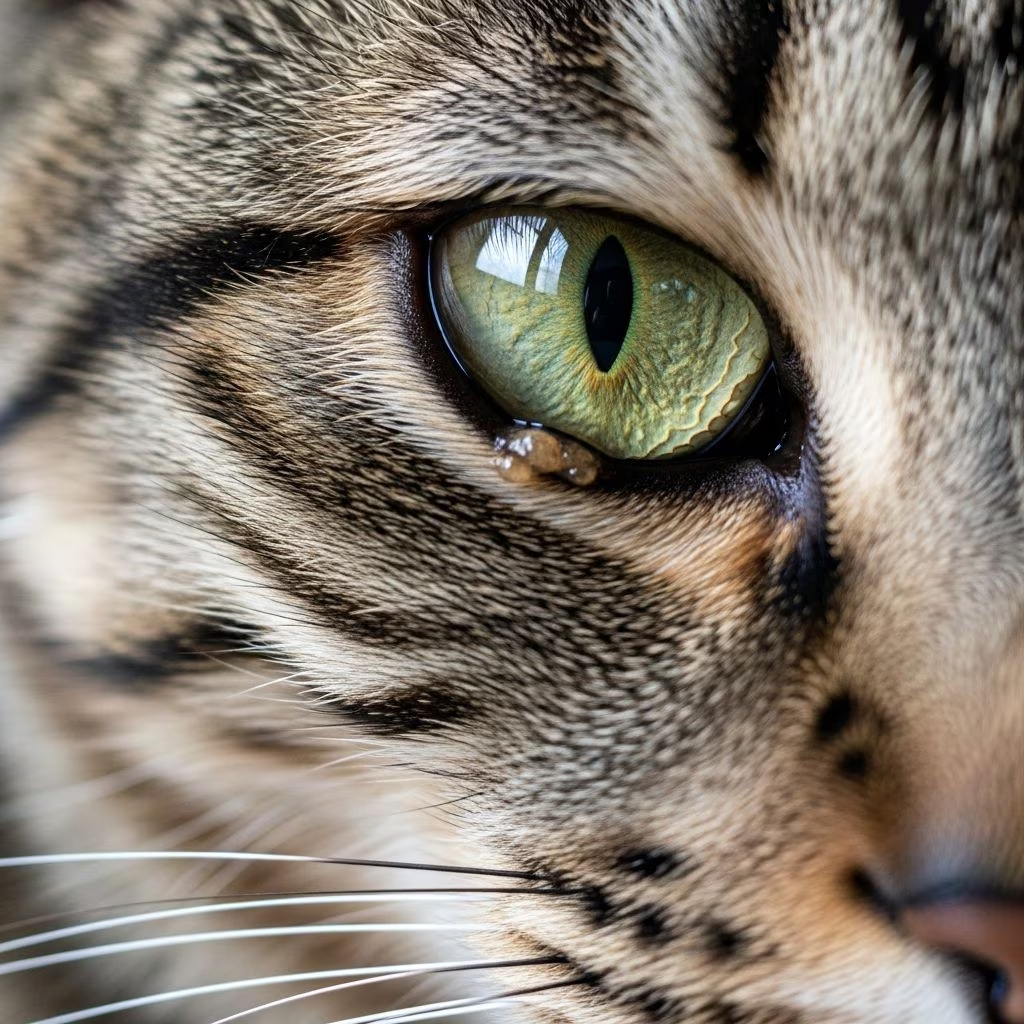
Eye discharge, often called “eye boogers,” is a common sight in cats. A small amount of crusty material in the inner corners of your cat’s eyes upon waking is typically normal, resulting from tears that lubricate and protect the eyes drying overnight. These tears contain water, oils, mucus, and antibodies that flush out debris and fight infections. However, excessive, colored, or persistent discharge can signal underlying issues ranging from allergies to serious infections.
Understanding the difference between benign buildup and problematic discharge is crucial for cat owners. Normal eye gunk is usually clear or slightly brownish and minimal, while abnormal discharge may be watery, yellow, green, thick, or accompanied by symptoms like redness, squinting, or pawing at the eyes. This comprehensive guide covers causes, safe cleaning methods, treatments, and when to seek professional help.
What Are Normal Cat Eye Boogers?
Healthy cats produce tears to keep their eyes moist and clean. During sleep, these tears collect in the eye corners and dry into small, crusty bits by morning. This is especially noticeable in breeds with flat faces like Persians, whose eye structure promotes tear overflow.
- Appearance: Clear, white, or light brown crusts; small amounts.
- Frequency: Daily upon waking, easily wiped away.
- No other symptoms: Eyes are bright, clear, and your cat behaves normally.
Environmental factors like dust, pollen, or smoke can mildly increase tear production, leading to more gunk without indicating illness. Simply gently cleaning the area keeps your cat comfortable.
Abnormal Cat Eye Discharge: Types and Signs
When eye boogers exceed normal amounts or change character, they warrant attention. Discharge types provide clues to the cause:
| Type of Discharge | Color/Consistency | Possible Causes |
|---|---|---|
| Epiphora (Watery) | Clear, excessive tears | Allergies, blocked tear ducts, irritants |
| Mucoid | Clear to white, stringy | Viral infections, dry eye |
| Purulent | Yellow/green, thick/pus-like | Bacterial infections, abscesses |
| Serosanguineous | Bloody-tinged | Trauma, ulcers, tumors |
Accompanying signs of trouble include red eyes, cloudiness, squinting, light sensitivity, swelling, frequent blinking, or behavioral changes like lethargy. Both eyes affected often points to systemic issues like upper respiratory infections, while one eye suggests local problems like injury.
Common Causes of Cat Eye Discharge
Upper Respiratory Infections (URIs)
Feline URIs, akin to human colds, frequently cause bilateral eye discharge alongside sneezing, nasal congestion, and fever. Common culprits include feline herpesvirus (FHV-1), calicivirus, and bacteria like chlamydia. These are highly contagious in multi-cat homes or shelters.
FHV-1, affecting up to 80-90% of cats, leads to recurrent flare-ups triggered by stress. Discharge starts watery, progressing to pus-like if secondary bacteria invade. Kittens and seniors are most vulnerable.
Conjunctivitis (Pink Eye)
Conjunctivitis inflames the eye’s mucous membranes, causing redness, swelling, and discharge. Triggers include bacteria, viruses, allergens, or irritants like dust/pollen. Bacterial cases produce thick yellow/green pus; viral ones are more watery.
In cats, it’s rarely standalone, often part of URIs. Untreated, it can scar corneas or block tear ducts.
Dry Eye (Keratoconjunctivitis Sicca – KCS)
Dry eye occurs when tear glands produce insufficient watery tears, leading to thick, yellow/goopy discharge, red eyes, and corneal ulcers. Causes include immune-mediated disease, herpesvirus, or drugs. Without tears’ flushing action, debris accumulates, risking blindness.
Blocked Tear Ducts
Tear ducts drain fluid from eyes to nose. Blockages from scarring (post-conjunctivitis), congenital defects, or foreign material cause overflow tearing and staining under eyes. Persians and Himalayans are prone due to anatomy.
Allergies and Irritants
Environmental allergens (pollen, dust, smoke) or food sensitivities provoke clear, itchy discharge. Cats may rub eyes, worsening irritation.
Corneal Ulcers and Trauma
Scratches from claws, plants, or foreign bodies like grass seeds cause painful ulcers with watery or bloody discharge, squinting, and cloudiness. Herpesvirus exacerbates them.
Uveitis
This painful internal eye inflammation from trauma, cancer, infections, or immune issues causes redness, squinting, and mixed discharge. It demands urgent care to prevent glaucoma.
Other Serious Causes
Systemic diseases like FIV/FeLV, hypertension, or tumors can manifest as eye discharge. Cherry eye (prolapsed third eyelid gland) appears as a red mass with overflow.
How to Clean Cat Eye Discharge Safely
Regular cleaning prevents buildup and soothes mild irritation. Use these vet-approved steps:
- Gather supplies: Cotton balls, saline solution (or boiled/cooled water), clean towel.
- Soften crusts: Dampen a cotton ball with warm saline; hold gently against the eye 1-2 minutes.
- Wipe gently: From inner to outer corner, using fresh cotton per eye. Never rub.
- Dry area: Pat softly; repeat if needed.
- Frequency: 2-4 times daily for mild cases.
Warnings: Avoid human eye drops, milk, or tea bags—they can harm. Skip if eyes are ulcerated (fluorescein test needed).
Treatments for Cat Eye Boogers
Treatment targets the cause—never self-medicate beyond cleaning.
- URIs: Supportive care (fluids, nutrition), antivirals/lysines for herpes, antibiotics for bacteria.
- Conjunctivitis: Antibiotic/steroid ointments for bacterial; supportive for viral.
- Dry Eye: Artificial tears, cyclosporine ointments, antibiotics.
- Blocked Ducts: Flushing, surgery if persistent.
- Allergies: Antihistamines, allergen removal.
- Ulcers: Antibiotic drops, e-collar, surgery.
- Uveitis: Anti-inflammatories, pain meds, treat underlying.
Vaccinations prevent many URIs; stress reduction curbs herpes flares.
When to See a Vet for Cat Eye Discharge
Consult a vet promptly if:
- Discharge persists >24-48 hours or worsens.
- Colored/thick/persistent.
- Redness, swelling, cloudiness, squinting, pawing, vision changes.
- One or both eyes; with systemic signs (fever, anorexia).
- Kittens, seniors, or immunocompromised cats.
Delays risk permanent damage like blindness. Vets use exams, stains, cultures for diagnosis.
Preventing Cat Eye Problems
- Keep litter low-dust; vaccinate routinely.
- Reduce stress; provide balanced diet.
- Regular checkups; isolate sick cats.
- Avoid irritants; trim claws.
Frequently Asked Questions (FAQs)
Is cat eye discharge always a sign of infection?
No, small amounts are normal, but excessive or colored discharge often indicates infection, allergies, or other issues requiring vet evaluation.
Can I use human eye drops on my cat?
Never—human drops can worsen damage or mask symptoms. Use vet-prescribed products only.
How can I tell if my cat has dry eye?
Look for dull corneas, red eyes, thick yellow discharge, and rubbing. A Schirmer tear test confirms it.
Why does only one eye have boogers?
Unilateral discharge suggests trauma, ulcer, or foreign body; bilateral points to infection/allergies.
Can cat eye boogers be contagious?
Yes, if viral/bacterial (e.g., herpes, calicivirus), via shared bowls or contact. Isolate and disinfect.
References
- Cat Eye Discharge and Eye Problems — WebMD. 2023-10-15. https://www.webmd.com/pets/cats/eye-discharge-in-cats
- Cat Eye Discharge: Causes and Treatments — Rover.com. 2024-05-20. https://www.rover.com/blog/cat-eye-discharge/
- Cat Eye Discharge – How to Treat Different Types of Feline Eye Issues — PetCareRx. 2023-08-12. https://www.petcarerx.com/article/cat-eye-discharge-how-to-treat-different-types-of-feline-eye-issues/2934
- Understanding Cat Eye Discharge: Causes, Treatment, and When to… — Berthoud Animal Hospital. 2024-02-28. https://berthoudanimalhospital.com/blog/cat-eye-discharge/
- Cat Eye Infection | Causes, Symptoms, and Treatments — Lovet. 2023-11-10. https://www.lovet.com/blog/cat-eye-infection/
- Cat Eye Infections: Home Remedies — Animal Eye Guys. 2023-10-15. https://www.animaleyeguys.com/site/blog/2023/10/15/cat-eye-infection-home-remedy
- Eye Discharge in Cats — Maddie’s Fund. 2022-06-01. https://www.maddiesfund.org/kb-eye-discharge-in-cats.htm



