

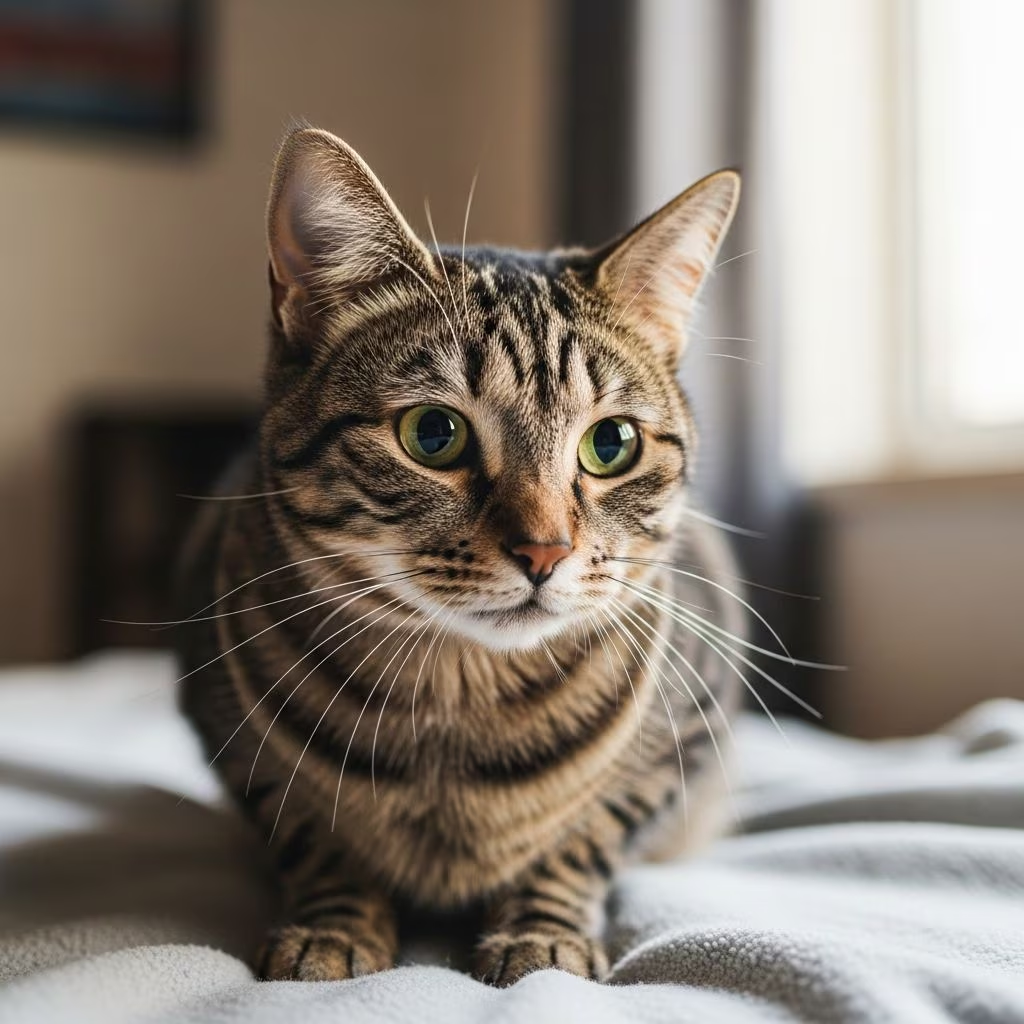
Diarrhea in cats is a frequent concern for pet owners, characterized by loose, watery, or frequent stools that can range from mild and short-lived to severe and life-threatening. While occasional diarrhea might resolve on its own, persistent cases often signal underlying issues requiring veterinary attention. Understanding the causes, symptoms, and treatments is crucial for maintaining your cat’s health and preventing dehydration or more serious complications.
What Does Diarrhea Look Like in Cats?
Cat diarrhea typically appears as soft, mushy, or watery stools that may occur more frequently than normal. It can vary in color from yellow or green to black or bloody, and often includes mucus or undigested food particles. Unlike firm, segmented feces, diarrheal stools lack shape and may have a strong odor. Kittens and senior cats are particularly vulnerable, as diarrhea can quickly lead to dehydration due to their smaller body size.
- Watery diarrhea: Indicates rapid transit through the intestines, often from infections or toxins.
- Mucousy or bloody stools: Suggests inflammation like colitis or parasites.
- Large volume, cow-pie consistency: Common with small intestine issues such as dietary indiscretion.
- Small, frequent puddles: Points to large intestine problems like stress colitis.
Observing stool characteristics helps vets diagnose the affected intestinal segment—small bowel (large volume, weight loss) versus large bowel (urgency, mucus).
Common Causes of Diarrhea in Cats
Cats can develop diarrhea from a wide array of triggers, broadly categorized into dietary, infectious, stress-related, and systemic diseases. Identifying the root cause is essential for effective treatment.
Dietary Causes
Sudden diet changes are among the most common culprits, disrupting the gut microbiome. Transition to new food should occur gradually over 7-10 days to avoid gastrointestinal upset. Other dietary triggers include:
- Eating spoiled food, garbage, or table scraps like milk (lactose intolerant cats).
- Food allergies or intolerances causing chronic inflammation.
- Overfeeding treats or high-fat foods leading to pancreatitis.
Infectious Causes
Parasites like roundworms, hookworms, Giardia, or coccidia irritate the intestines, especially in kittens or outdoor cats. Bacterial infections (Salmonella, Clostridium), viral (panleukopenia), or fungal pathogens also provoke diarrhea, often with fever and lethargy.
Stress and Environmental Factors
Cats are sensitive creatures; stress from moving, new pets, or litter box changes can trigger colitis, resulting in mucus-laden diarrhea. Anxiety alters gut motility, mimicking irritable bowel symptoms.
Medical Conditions
Serious underlying diseases include:
- Hyperthyroidism or kidney disease: Disrupt metabolism and hydration balance.
- Pancreatitis or IBD: Cause chronic inflammation.
- Cancer or liver issues: Lead to malabsorption and weight loss.
Medications like antibiotics can wipe out beneficial gut bacteria, while ingesting toxins (lilies, antifreeze) or foreign objects (string, toys) cause obstruction or poisoning.
Symptoms of Cat Diarrhea: When to Worry
Beyond loose stools, watch for red flags indicating severity:
- Blood, black tarry stools (melena), or worms visible.
- Vomiting, fever, pale gums, or dehydration (sunken eyes, tacky gums).
- Lethargy, appetite loss, abdominal pain, or straining.
- Diarrhea lasting over 24-48 hours, especially in kittens.
Dehydration is a primary risk; test by pinching skin—if it doesn’t snap back quickly, seek care. Chronic diarrhea (over 2-3 days) warrants diagnostics like fecal tests, bloodwork, or imaging.
How Long Does Cat Diarrhea Last?
Acute diarrhea from diet or stress often resolves in 12-48 hours with fasting and hydration. Chronic cases persist weeks, signaling deeper issues like IBD or cancer, requiring ongoing management. If no improvement in 2-3 days, veterinary intervention is critical to prevent malnutrition or sepsis.
Treatment for Cat Diarrhea
Treatment targets the cause while supporting recovery:
- Supportive care: Withhold food 12-24 hours (not water), then offer bland diet (boiled chicken/rice) in small meals. Probiotics restore gut flora.
- Medications: Anti-diarrheals (kaolin-pectin), dewormers, antibiotics for bacterial overgrowth, or anti-nausea drugs.
- Hospitalization: IV fluids for dehydration, especially kittens.
Vets may recommend fiber supplements, hypoallergenic diets, or long-term therapeutics for chronic cases. Never give human meds without guidance.
Home Remedies for Mild Cat Diarrhea
For short-term, non-severe cases:
- Ensure constant fresh water; add unflavored Pedialyte if needed.
- Slippery elm bark or canned pumpkin (1 tsp/meal) for fiber.
- Probiotic supplements like FortiFlora.
- Keep cat warm and stress-free.
Monitor closely; escalate if worsening.
Preventing Diarrhea in Cats
Proactive steps reduce risks:
- Gradual diet transitions and high-quality, consistent food.
- Regular deworming/flea preventives and annual fecal exams.
- Secure trash, toxic plants, and household hazards.
- Minimize stress with stable routines and enrichment.
- Core vaccinations against viral causes.
When to See a Vet for Cat Diarrhea
Immediate vet visit if:
| Symptom | Urgency |
|---|---|
| Kitten, senior, or unvaccinated cat | High |
| Blood/mucus, vomiting, lethargy | Emergency |
| Dehydration signs or >48 hours duration | High |
| Recent toxin exposure or foreign body ingestion | Emergency |
Bring a fresh stool sample. Diagnostics may include blood tests, X-rays, or endoscopy.
Frequently Asked Questions (FAQs)
Is cat diarrhea an emergency?
Yes, if accompanied by blood, vomiting, lethargy, or lasting over 24 hours in kittens/seniors. Dehydration can be fatal quickly.
Can I treat cat diarrhea at home?
Mild cases yes—with fasting, bland diet, probiotics—but consult vet first, especially if symptoms persist.
What home remedy stops cat diarrhea fast?
Canned pumpkin (plain), bone broth, or probiotics; ensure hydration.
Why does my cat have diarrhea but acts normal?
Often dietary indiscretion or stress; monitor for 24 hours, but test stool for parasites.
Does wet cat food cause diarrhea?
Not inherently, but sudden switches, allergies, or spoiled food can.
References
- Diarrhea in Cats: Common Causes & When It’s Serious — Animal General CT. 2022-05-15. https://www.animalgeneralct.com/site/blog/2022/05/15/diarrhea-in-cats-common-causes-when-its-serious
- Cat Diarrhea: Causes and Remedies — Pet Assure. N/A. https://www.petassure.com/new-newsletters/cat-diarrhea-causes-and-remedies/
- Diarrhea in Cats: Common Causes & When It’s Serious — Voorhees Animal Hospital. 2023-10-15. https://www.voorheesvet.com/site/blog/2023/10/15/diarrhea-cats
- Diarrhea in Cats: Common Causes & When It’s Serious — Vet Referral Center. 2024-02-15. https://www.vetreferralcenter.com/site/blog/2024/02/15/diarrhea-cats
- Cat Diarrhea: Causes and What to Do About It — PetMD. N/A. https://www.petmd.com/cat/symptoms/cat-diarrhea
- Diarrhea in Cats: Common Causes & When It’s Serious — Pets on Broadway. 2024-07-31. https://www.petsonbroadway.net/site/blog/2024/07/31/diarrhea-cats
- Cat Diarrhea: Causes, Symptoms & Treatment — Purina. N/A. https://www.purina.com/articles/cat/health/digestion/cat-diarrhea-causes-treatment



