

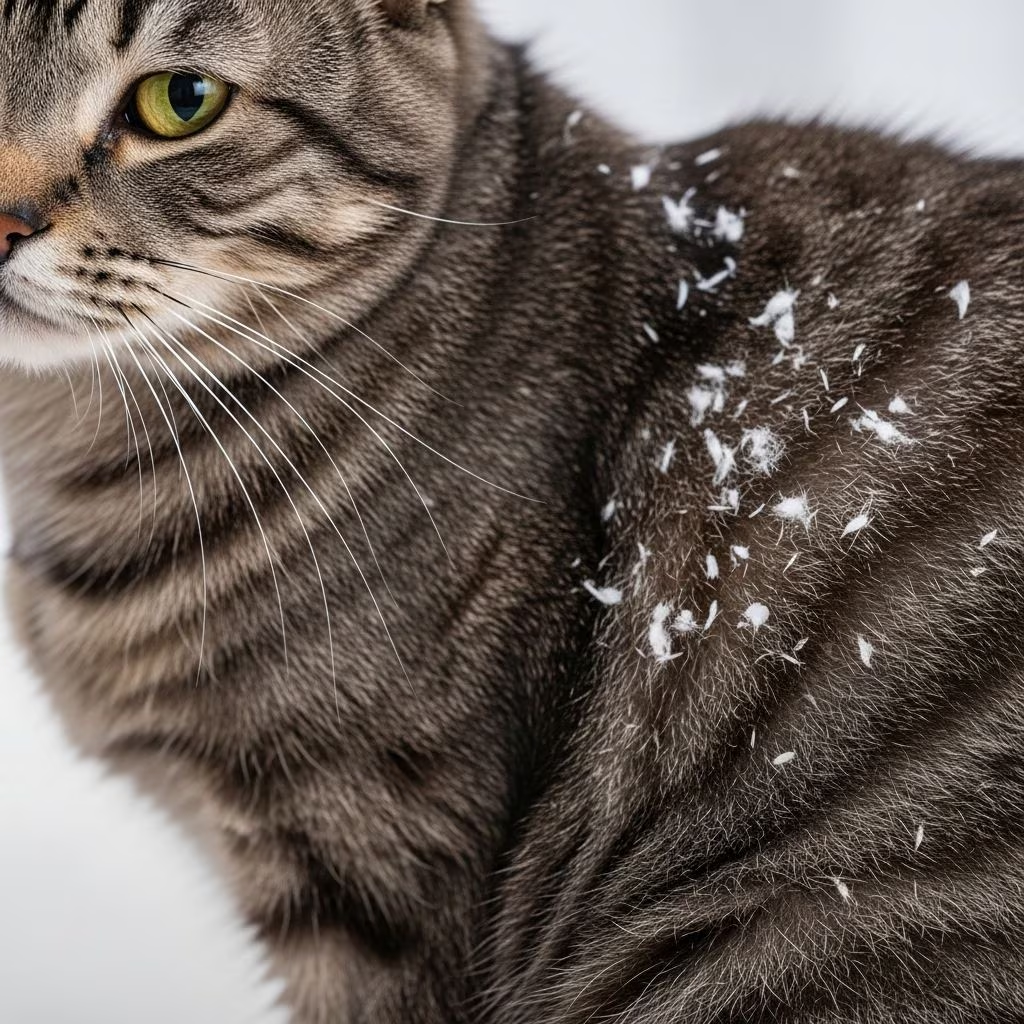
Seeing white flakes on your cat’s fur can be concerning, but cat dandruff is a common issue often linked to dry skin or underlying health problems. While a small amount of flaking is normal as cats shed dead skin cells, excessive dandruff may indicate issues like poor grooming, diet deficiencies, parasites, allergies, or medical conditions such as hyperthyroidism or kidney disease. Understanding the causes helps you address it effectively, restoring your cat’s shiny coat.
What Is Cat Dandruff?
Cat dandruff consists of dead skin cells that accumulate on the fur and skin, appearing as white, flaky particles. Unlike human dandruff, which is often oily, feline dandruff is typically dry and noticeable along the back, tail, and sides. It can make the coat look dull and may be accompanied by itching or hair loss. Regular grooming distributes natural oils, but disruptions lead to visible flakes.
Causes of Cat Dandruff
Several factors contribute to dandruff in cats. Identifying the root cause is key to treatment, as environmental issues differ from medical ones.
Dry Skin and Environmental Factors
Dry air from heating, air conditioning, or low humidity dries out a cat’s skin, leading to flakiness. Winter months exacerbate this, as indoor heat reduces moisture in the air. Cats in arid climates or homes with constant AC are particularly prone.
Poor Grooming Habits
Cats are fastidious groomers, but obesity limits their reach, especially on the back. Arthritis in older cats causes pain during grooming, while dental issues make the process exhausting. As a result, dead skin and oils build up, causing dandruff.
Parasites
Fleas, lice, and mites irritate the skin, prompting excessive scratching and flaking. Cheyletiella mites, known as “walking dandruff,” move visibly on the skin, causing intense itching, redness, and hair loss.
Allergies
Food allergies, environmental triggers like pollen or dust, and reactions to grooming products inflame the skin, leading to dryness and flakes. Symptoms often include itching and redness.
Improper Diet and Malnutrition
Diets lacking omega-3 and omega-6 fatty acids or vitamin A fail to nourish the skin. Overweight cats from poor nutrition struggle to groom, worsening dandruff. Low-fat kibble-only diets contribute to dehydration and dry skin.
Dehydration
Cats on dry food diets often don’t drink enough water, drying out their skin. Finicky drinkers exacerbate this, leading to flaky coats.
Medical Conditions
Serious issues like hyperthyroidism, diabetes, kidney disease, fungal infections (e.g., ringworm), obesity-related problems, heart disease, or cancer can manifest as dandruff. These often come with other symptoms like weight loss, excessive thirst, or lethargy.
Symptoms Accompanying Cat Dandruff
Dandruff rarely occurs alone. Watch for these signs to gauge severity:
- Excessive itching or scratching
- Dull, greasy, or patchy coat
- Hair loss or bald spots
- Red, inflamed skin
- Lethargy, weight loss, or increased thirst (indicating systemic issues)
- Difficulty moving (arthritis)
- Vomiting, diarrhea, or bad breath (kidney disease)
For example, heat stress causes panting and tremors alongside flakes, while parasites lead to lesions and hives.
How to Get Rid of Cat Dandruff: Treatments
Treatment targets the cause. Always consult a vet for diagnosis, especially if symptoms persist.
Improve Hydration
Provide fresh water in multiple bowls. Add wet food to kibble or use tuna water to entice drinking. Hydration supplements can help.
Enhance Nutrition
Switch to diets rich in omega fatty acids and vitamin A. Fish oil supplements (vet-approved) moisturize skin. Natural sources like lean meats, liver, and fish support coat health.
Parasite Control
Use monthly preventatives for fleas and mites. Topical or oral treatments eliminate infestations quickly.
Grooming and Bathing
Brush daily to remove flakes and distribute oils. Vet-approved moisturizing shampoos bathe biweekly for dry skin cats. Professional grooming helps obese or arthritic cats.
Home Environment Adjustments
Use humidifiers to add moisture. Wash bedding and toys regularly to reduce allergens. Keep your cat cool to prevent dehydration.
Allergy Management
Identify allergens via vet testing. Switch to hypoallergenic food and gentle products.
Treat Underlying Health Issues
Vets address conditions like hyperthyroidism or infections with medications. Weight management diets aid obese cats.
Prevention Tips for Cat Dandruff
Prevent flakes proactively:
- Maintain a balanced, nutrient-rich diet with adequate moisture.
- Groom regularly and assist seniors or overweight cats.
- Use year-round parasite preventatives.
- Monitor humidity and hydrate during dry seasons.
- Schedule annual vet checkups to catch issues early.
These steps keep skin healthy and reduce recurrence.
When to See a Vet for Cat Dandruff
Seek veterinary care if dandruff persists despite home care, or if accompanied by itching, hair loss, behavioral changes, or systemic symptoms. Vets perform skin scrapes, blood tests, or allergy panels for accurate diagnosis. Early intervention prevents complications.
Cat Dandruff vs. Normal Shedding
| Aspect | Normal Shedding | Cat Dandruff |
|---|---|---|
| Appearance | Loose fur, seasonal | White flakes on skin/fur |
| Frequency | Regular, even | Excessive, clumped |
| Symptoms | None | Itching, dull coat, health signs |
| Causes | Seasonal change | Diet, parasites, illness |
This table highlights key differences for quick assessment.
Frequently Asked Questions (FAQs)
Is cat dandruff dangerous?
Usually not, but excessive flakes signal treatable issues. Untreated, it may indicate serious conditions like diabetes.
Can I use human dandruff shampoo on my cat?
No, it irritates feline skin. Use vet-recommended cat shampoos only.
Does diet really affect cat dandruff?
Yes, omega fatty acids prevent dry skin. Improve nutrition for best results.
How often should I brush my cat to reduce dandruff?
Daily for short-haired, multiple times weekly for long-haired cats.
Can senior cats get dandruff?
Yes, arthritis hinders grooming. Assist with brushing and vet care.
References
- Cat Dandruff: Causes, Symptoms, and Treatment — Noble Vet Clinic. 2023. https://noblevetclinic.com/blog/cat-dandruff
- Why Does My Cat Have Dandruff And How Can I Get Rid Of It? — North Kenny Vet. 2023. https://northkennyvet.com/blog/cat-dandruff-columbus-oh/
- Flaky Feline: How to Treat Cat Dandruff — Union Lake Pet Services. 2023. https://unionlakepetservices.com/blog/flaky-feline-how-to-treat-cat-dandruff
- Cat Dandruff — Chewy. 2023. https://www.chewy.com/education/cat/health-and-wellness/cat-dandruff
- What Causes and How to Get Rid of Cat Dandruff? — Purina. 2023. https://www.purina.com/articles/cat/health/symptoms/cat-dandruff
- What to Know About Dandruff in Cats — WebMD. 2023. https://www.webmd.com/pets/cats/what-to-know-dandruff-cats



