

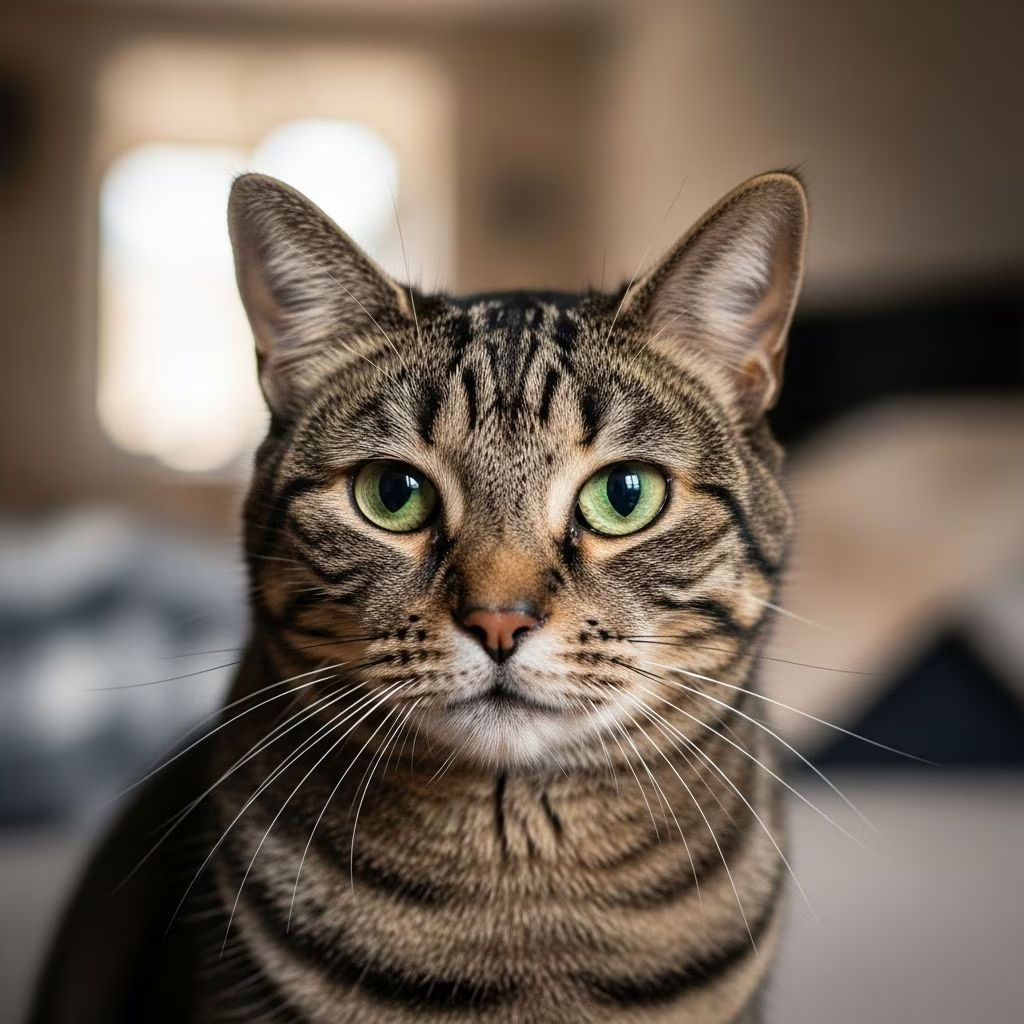
Why Does My Cat Have Constant Sniffles?
If your feline companion has been sniffling more than usual, you’re not alone in your concern. Many cat owners notice their pets experiencing persistent nasal congestion and sneezing, which can be both bothersome to the cat and worrying for their owners. While an occasional sneeze is completely normal and nothing to be alarmed about, constant sniffles in cats can indicate underlying health issues that may require veterinary attention. Understanding the causes behind your cat’s persistent sniffles is the first step toward helping them feel better and breathe easier.
Sniffling in cats often signals that something is affecting their upper respiratory system. The nose and nasal passages are sensitive areas that can become irritated or infected for various reasons. Some cases of constant sniffles resolve on their own, while others may persist for weeks or even months, indicating a chronic condition. By learning more about what causes cat sniffles, you’ll be better equipped to recognize when your pet needs professional veterinary care.
Understanding Upper Respiratory Infections in Cats
Upper respiratory infections, commonly referred to as URIs or “cat flu,” are among the most frequent causes of sniffling in felines. These infections can be caused by viral, bacterial, or occasionally fungal pathogens. Understanding how these infections develop and progress can help you better recognize symptoms in your own cat.
Viral Upper Respiratory Infections
Viral infections are typically the primary cause of upper respiratory symptoms in cats. Feline herpesvirus (FHV) is the most common culprit, affecting an estimated 80 to 90 percent of all cats. Unlike herpesvirus in humans, the feline version primarily targets the upper respiratory tract, causing sneezing, nasal discharge, and eye secretions. Many cats become infected with herpesvirus as kittens and become chronic carriers of the virus, meaning it remains dormant in their nervous system for life.
Feline calicivirus is another significant viral pathogen responsible for upper respiratory infections in cats. This virus is highly contagious between cats and can produce mouth ulcers in addition to respiratory symptoms. In some cases, calicivirus may even lead to pneumonia, a more serious lower respiratory condition. Both herpesvirus and calicivirus infections typically last between 7 to 21 days, with most uncomplicated cases resolving within 7 to 10 days.
Bacterial Secondary Infections
While viruses initiate most upper respiratory infections, bacteria often follow as opportunistic secondary invaders. Common bacterial culprits include Bordetella bronchiseptica, Chlamydia felis, and Mycoplasma species. These bacteria take advantage of the damage caused by the initial viral infection, establishing themselves in the damaged nasal passages and causing further inflammation and discharge.
You can often identify a bacterial secondary infection by observing the color and consistency of your cat’s nasal discharge. Yellow or green discharge is a telltale sign of bacterial involvement and typically responds well to antibiotic therapy. Antibiotics can dramatically reduce sneezing and help your cat breathe more comfortably, though they may not completely eliminate the discharge if chronic damage has occurred.
Chronic Rhinitis and Persistent Sniffles
When sniffles persist for weeks or months, your cat may be experiencing chronic rhinitis or chronic upper respiratory tract disease. Chronic rhinitis develops when the initial infection causes permanent damage to the nasal passage membranes and immune system, creating a cycle of ongoing inflammation and susceptibility to recurrent infections.
This condition is particularly common in cats that experienced severe viral infections, especially feline herpesvirus, which can leave lasting damage to the mucous membranes lining the nasal passages. Unlike acute infections that resolve relatively quickly, chronic rhinitis may cause sniffles that come and go in intervals or persist continuously over extended periods. Some cats develop chronic rhinitis as a result of incomplete healing after a significant respiratory infection, while others may experience it as a recurring problem triggered by stress or immunosuppression.
Other Causes of Cat Sniffles
Fungal Infections
Although less common than viral or bacterial infections, fungal infections can cause persistent sniffling in cats. Cryptococcus is the most frequent fungal offender, living in the environment and invading a cat’s nasal passages when conditions allow. Fungal infections can be particularly painful and irritating, creating a chronic inflammatory response. Diagnosing fungal infections typically requires rhinoscopy or nasal biopsy, as physical examination alone cannot distinguish fungal problems from other causes.
Nasal and Sinus Inflammation
Inflammation of the nasal passages (rhinitis) and sinuses (sinusitis) frequently occur together in cats, a condition known as rhinosinusitis. These inflammatory conditions often develop as complications of upper respiratory infections but can also result from allergies, irritants, or environmental factors. The inflammation causes nasal congestion and frequent sneezing as the body attempts to clear the irritated passages.
Dental Problems
Interestingly, dental issues can also contribute to sniffling in cats. Infected or diseased teeth can cause inflammation that drains into the sinuses, creating nasal symptoms and discharge. If your cat’s sniffles are accompanied by signs of dental disease, such as bad breath, difficulty eating, or drooling, a veterinary examination is strongly recommended.
Nasal Tumors
In older cats, nasal tumors should always be considered as a possible cause of persistent sniffling. Cancerous cells growing inside the nasal passage create irritation and inflammation, triggering frequent sneezing. Tumors are typically detected through rhinoscopy or nasal biopsy, and unfortunately, when present, the diagnosis usually results in poor outcomes.
Environmental Irritants
Sometimes sniffles result from simple environmental irritants rather than infection. Dust, chemical odors, smoke, or other airborne particles can irritate your cat’s nasal passages, causing temporary sneezing and congestion. Identifying and removing these irritants often resolves the symptoms without any medical intervention needed.
Recognizing Symptoms Beyond Sniffles
While sniffling is the primary symptom, cats with respiratory issues often exhibit additional signs that can help you identify the severity of the problem:
- Eye discharge, swelling, or ulcers
- Excessive nasal discharge, sometimes yellow or green in color
- Fatigue or depression
- Fever
- Drooling or difficulty swallowing
- Decreased appetite or weight loss
- Wheezing or coughing
- Trouble breathing
- Poor coat condition
- Enlarged lymph nodes
The presence of additional symptoms often indicates a more serious infection or systemic illness requiring immediate veterinary attention. If your cat shows any of these signs alongside constant sniffles, contact your veterinarian promptly.
When to Seek Veterinary Care
Determining when your cat’s sniffles warrant a veterinary visit requires careful observation. An occasional sneeze is normal behavior in cats, but persistent sniffling accompanied by other symptoms should prompt professional evaluation. You should contact your veterinarian if:
- Your cat sneezes frequently throughout the day
- Sniffles persist for more than a few days
- Nasal discharge is yellow, green, or bloody
- Your cat shows additional symptoms like fever, lethargy, or decreased appetite
- Sniffles are accompanied by coughing or wheezing
- Your cat has difficulty breathing
- Symptoms suddenly worsen
- Sniffles have been ongoing for weeks or months
Treatment and Management Options
Veterinary Diagnosis
Your veterinarian will begin with a physical examination and may recommend additional diagnostic tests depending on the suspected cause. For suspected bacterial infections, antibiotic therapy is typically prescribed and can significantly improve symptoms. For viral infections, treatment is generally supportive, focusing on maintaining hydration, nutrition, and comfort while the immune system fights the infection.
Supportive Care at Home
Regardless of the underlying cause, supportive care plays an important role in helping your cat feel better. Ensure your cat has access to fresh water and their favorite foods to maintain nutrition during recovery. Using a humidifier in your cat’s environment can help ease nasal congestion by adding moisture to the air. Keeping stress levels low is particularly important for cats with chronic herpesvirus, as stress can trigger reactivation of dormant virus.
Chronic Condition Management
For cats with chronic rhinitis or recurrent infections, ongoing management may be necessary. Your veterinarian might recommend environmental modifications, dietary supplements to support immune function, or periodic treatments to manage flare-ups. Some cats benefit from intranasal medications or other interventions designed to reduce inflammation and improve nasal drainage.
Prevention Strategies
While not all cases of cat sniffles can be prevented, several strategies can reduce the risk of infection or minimize severity:
- Ensure your cat receives complete and up-to-date vaccinations, which can prevent some viral infections
- Minimize stress through a stable environment and routine
- Keep litter boxes and food areas clean to reduce bacterial exposure
- Limit contact with unfamiliar cats if possible
- Maintain good nutrition to support immune function
- Avoid exposing your cat to smoke, chemical fumes, or other irritants
- Keep your cat indoors to limit exposure to environmental pathogens
Frequently Asked Questions About Cat Sniffles
Q: Is my cat’s sniffling contagious to other cats?
A: Yes, if your cat’s sniffles are caused by viral or bacterial infections, they can be contagious to other cats, especially in multi-cat households or shelters. Keeping infected cats separated when possible can help prevent transmission to other felines.
Q: Can I give my cat over-the-counter cold medicine?
A: No, you should never give your cat over-the-counter medications without veterinary guidance. Many human cold medicines are toxic to cats. Always consult your veterinarian before administering any medication to your cat.
Q: How long do cat sniffles typically last?
A: Uncomplicated viral respiratory infections usually resolve within 7 to 10 days, though some may last up to 21 days. Chronic sniffles lasting weeks or months may indicate a more serious condition requiring ongoing management.
Q: Are kittens more prone to sniffles than adult cats?
A: Yes, kittens and young cats are more susceptible to respiratory infections than healthy adult cats. Senior cats are also more vulnerable due to age-related immune system decline.
Q: Can allergies cause cat sniffles?
A: While allergies can cause sneezing and nasal symptoms in cats, true feline allergies are less common than infections. Your veterinarian can help determine if allergies are contributing to your cat’s sniffles.
Q: What should I do if my cat’s sniffles don’t improve?
A: If sniffles persist beyond a few days or worsen despite home care, contact your veterinarian. Persistent symptoms may indicate a chronic condition or secondary infection requiring professional treatment.
References
- Why Is My Cat Sneezing? — PetMD. 2024. https://www.petmd.com/cat/symptoms/cat-sneezing
- Why is My Cat Sneezing: Causes, Symptoms and Treatments — Cabbagetown Pet Clinic. 2022. https://www.cabbagetownpetclinic.com/blog/november-2022/why-is-my-cat-sneezing
- Runny Nose in Cats: Symptoms and Treatment — Keystone Animal Hospital. 2024. https://keystoneah.com/blog/runny-nose-in-cats/
- Why Is My Cat Sneezing? – Does Your Cat Have a Cold? — BluePearl Pet Hospital. 2024. https://bluepearlvet.com/medical-articles-for-pet-owners/cat-sneezing-does-your-cat-have-a-cold/
- Why is My Cat Sneezing? When to Worry — Peak Veterinary. 2024. https://www.peakveterinary.com/blog/why-is-my-cat-sneezing
- Cat Sneezing: Respiratory Infections, Allergens, and Other Causes — WebMD. 2024. https://www.webmd.com/pets/cats/why-cats-sneeze
- Chronic Upper Respiratory Tract Disease — VCA Animal Hospitals. 2024. https://vcahospitals.com/know-your-pet/chronic-upper-respiratory-tract-disease



