

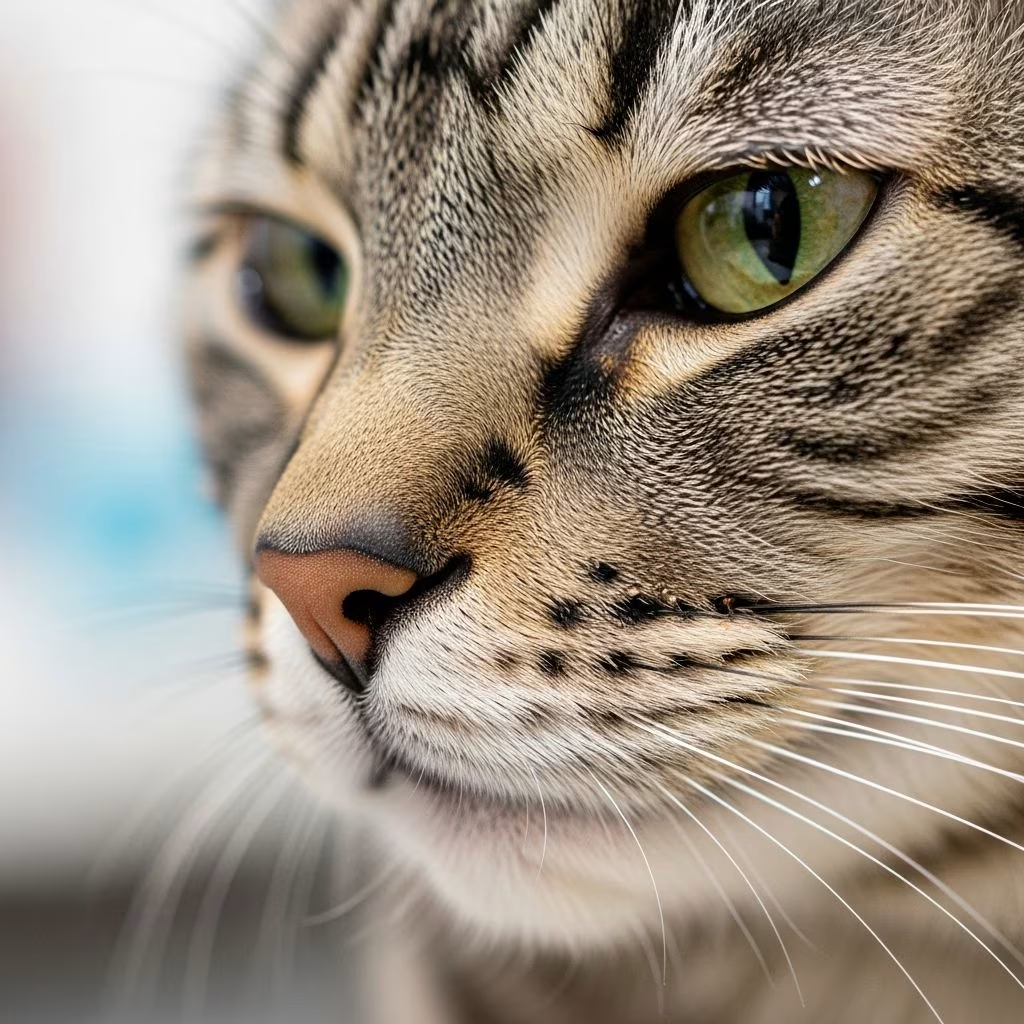
Why Does My Cat Have Black Boogers? Understanding Nasal Discharge in Cats
Even though it may be gross to think about, familiarizing yourself with your cat’s nasal discharge can help you take better care of them. The color of your cat’s boogers can alert you to potential infections and diseases. Sometimes, your cat may develop black boogers, which can range from completely harmless to requiring immediate veterinary attention. In most cases, nasal discharge will appear black or brown when it contains dried blood. Blood in the nasal passage often points to an underlying health issue that requires veterinary attention, so it’s best to consult your vet if you notice black boogers in and around your cat’s nose.
Understanding the Difference Between Boogers and Nasal Discharge
Before diving into the causes of black boogers, it’s important to understand the distinction between regular boogers and pathological nasal discharge. Black boogers are typically benign mixtures of dried nasal mucus combined with dirt and environmental particles. These are generally harmless and similar to what humans experience daily. However, nasal discharge—which may appear as a continuous fluid flow from the nostrils—can indicate an underlying health problem that requires veterinary evaluation.
Nasal discharge may vary in color and consistency depending on the underlying cause. Understanding this difference helps cat owners determine whether their feline companion needs immediate veterinary care or if simple home care will suffice. If you notice consistent nasal discharge rather than occasional dried boogers, scheduling a veterinary appointment is the prudent course of action.
Common Causes of Black Boogers in Cats
1. Respiratory Tract Disease
When a cat’s respiratory tract becomes inflamed, it can cause black or brown boogers to form around their nose. Nasal discharge from respiratory tract disease is typically thick and yellow. However, it can have a red tinge with fresh blood or may appear dark brown from older blood. Cats with respiratory tract disease often experience additional symptoms alongside nasal discharge, including eye discharge and frequent sneezing. These felines may have runny eyes and noses for several weeks to months, significantly affecting their quality of life.
Respiratory tract inflammation can result from various causes, including viral infections like feline herpesvirus and calicivirus. These highly contagious viruses are especially common in multi-cat households and shelters. If your cat displays persistent respiratory symptoms, veterinary examination is essential to identify the underlying cause and provide appropriate treatment.
2. Nosebleeds (Epistaxis)
Dark nasal discharge is often caused by blood in the nose, a condition known as epistaxis. There are many different causes for epistaxis, and the seriousness of the condition varies from mild to severe. It’s most common for epistaxis to be a sign of an infection or trauma. However, it can also result from more serious conditions including liver failure, feline leukemia virus infection, drug reactions, fungal diseases, hemophilia, and rodenticide poisoning.
When nosebleeds occur, the blood dries within the nasal passages and appears as black or dark brown boogers when expelled. Even occasional nosebleeds warrant veterinary attention to rule out underlying systemic conditions. Your veterinarian can perform diagnostic tests to identify the cause and recommend appropriate treatment.
3. External Pollutants and Environmental Factors
Sometimes, black boogers may form around your cat’s nose if they’re exposed to external pollutants. This can occur in urban cities where there’s more smoke, gas, and other airborne particles. It’s also more common for outdoor cats than indoor cats to have darker nasal discharge because they have greater exposure to outdoor air and dirt. Environmental pollutants that may contribute to black boogers include:
- Dust and dirt particles
- Smoke from vehicles and industry
- Pollen and plant matter
- Air pollution and smog
- Household dust and cleaning products
When pollutants accumulate in your cat’s nasal passages, they mix with natural mucus production, resulting in dark-colored boogers. This is typically harmless and can be managed with simple home care. However, if your cat spends significant time outdoors, you may notice increased frequency of black boogers, particularly during high-pollution days or seasons.
4. Rhinitis
Rhinitis refers to inflammation of the mucous membranes in the nose. Most cases of rhinitis are caused by a viral infection, but it can also be a sign of allergies. The nasal discharge from rhinitis is usually clear, but it can become thicker and more opaque if a secondary bacterial infection occurs. Other signs of rhinitis include sneezing, pawing at the face, labored inhalation, and snoring. Cats experiencing mild rhinitis may have clear discharge, while more severe cases can produce green, yellow, or even bloody discharge.
Feline rhinitis can be acute or chronic, with chronic cases being particularly frustrating for both cats and their owners. Chronic upper respiratory infections may persist for weeks or months, causing persistent nasal congestion and discharge. Weight loss and poor appetite often accompany these infections, as cats’ ability to smell food becomes compromised when their nasal passages are congested.
5. Nasal Trauma
A significant injury to the nose or nasal cavity can cause bleeding. Dried blood can gather within the nose and look like black boogers when they fall out. Most cases of nasal trauma will be apparent because an injured nose usually looks swollen, bruised, or discolored. Cats can also experience difficulty breathing following nasal injuries, making it important for your cat to receive medical attention as soon as possible. Common causes of nasal trauma in cats include:
- Fights with other animals
- Falls or accidents
- Being struck or hit
- Aggressive interactions during play
- Insertion of foreign objects
Nasal trauma requires prompt veterinary evaluation to assess the extent of damage and prevent complications such as infections or breathing difficulties.
Additional Causes of Nasal Issues in Cats
Allergic Reactions
Just like humans, cats can suffer from allergies that manifest in various ways. Allergens like pollen, mold, dust, and even certain types of food can trigger allergic reactions in your feline friend, leading to increased nasal discharge or a runny nose. If the fluid flow of mucus mixes with dirt or other particles, it may turn black, though this is relatively rare. Cats with allergies may also experience itching, sneezing, and eye irritation.
Respiratory Infections
Respiratory infections, such as chronic upper respiratory infections, are potential causes of stuffy noses in cats. Nasal discharge related to infections tends to be higher in volume and yellow but can also be tinged with red or brownish-black. These infections can be caused by viruses like feline herpesvirus and calicivirus, as well as bacterial pathogens such as Bordetella bronchiseptica. In more severe cases, cats may develop fungal infections like Cryptococcus or Aspergillus.
Nasal Tumors
Cancer of the nasal passages is often aggressive and difficult to treat in cats. Symptoms can begin with a mild nasal discharge, but they usually progress to include facial swelling, pain, reduced airflow, and thick or bloody discharge. You might also notice weight loss and other signs of being unwell. Nasal tumors are more common in older cats and require immediate veterinary attention for proper diagnosis and treatment options.
Dental Disease
Severe dental disease or infection can lead to discharge from the nose if an opening develops between the nasal and oral cavities, a condition called an oronasal fistula. Nasal discharge from dental disease is often just from one nostril, and cats usually have signs of mouth pain. Regular dental care and prompt treatment of dental infections can prevent this complication.
What to Do If Your Cat Has Black Boogers
Assessment and Home Care
If your cat’s boogers look like soot or ash, it’s possible that they’ve been exposed to air pollutants. You can usually just wipe their noses clean and remove any bigger particles that are clinging to the outer parts of their nostrils. This simple home care is appropriate when black boogers appear to be purely environmental in nature with no accompanying symptoms.
When to Seek Veterinary Care
If your cat’s boogers are dark brown and look more like dried blood, it’s best to get them to a vet for a checkup. Dried blood in the nasal cavity usually indicates an underlying medical condition that requires veterinary intervention and care. Make sure to take note of any other signs or unusual behaviors from your cat, as this information can be helpful for your vet’s diagnosis.
Contact your veterinarian promptly if your cat exhibits any of the following:
- Persistent or heavy nasal discharge
- Sneezing episodes lasting more than a few days
- Eye discharge or inflammation
- Difficulty breathing or labored breathing
- Loss of appetite or weight loss
- Fever or lethargy
- Visible facial swelling or asymmetry
- Discharge from only one nostril
- Signs of nasal trauma or injury
Monitoring Your Cat’s Nasal Health
Regular observation of your cat’s nasal passages and discharge can help you identify potential health issues early. Normal nasal discharge in healthy cats should be minimal and clear. Any significant change in the frequency, color, consistency, or odor of nasal discharge warrants veterinary evaluation. Keeping a simple log of symptoms and when they occur can provide valuable information to your veterinarian during a consultation.
Additionally, maintaining good indoor air quality through regular cleaning, proper ventilation, and avoiding smoking around your cat can help reduce environmental triggers for nasal irritation. For outdoor cats, limiting exposure during high-pollution days may help minimize black boogers from environmental sources.
Diagnostic Procedures Your Vet May Perform
When you bring your cat to the veterinarian for nasal discharge concerns, your vet may perform various diagnostic tests to identify the underlying cause. These may include physical examination of the nasal passages, cytology (examining cells from the discharge), nasal cultures to identify bacterial or fungal infections, bloodwork to assess overall health and rule out systemic diseases, and imaging such as X-rays or CT scans if tumors or foreign objects are suspected. These diagnostic tools help your veterinarian develop an appropriate treatment plan tailored to your cat’s specific condition.
Treatment Options for Nasal Issues
Treatment depends entirely on the underlying cause of your cat’s black boogers. Environmental pollutants typically require only environmental management and occasional nasal cleaning. Viral respiratory infections may resolve with supportive care including fluids and appetite stimulation. Bacterial infections typically require antibiotic therapy, while fungal infections need antifungal medications. More serious conditions like nasal tumors may require surgery, radiation, or chemotherapy. Your veterinarian will discuss appropriate treatment options based on your cat’s diagnosis.
Frequently Asked Questions About Cat Black Boogers
Q: Are black boogers always a sign of a serious health problem in cats?
A: No, black boogers are not always serious. They can be benign mixtures of dried mucus and environmental particles, especially in outdoor cats. However, if they appear to contain dried blood or are accompanied by other symptoms, veterinary evaluation is recommended.
Q: How can I tell if my cat’s black boogers are from environmental pollution or a health issue?
A: If the boogers look like soot or ash and your cat has no other symptoms, they’re likely from environmental exposure. However, dark brown boogers that resemble dried blood, especially with accompanying symptoms like sneezing or eye discharge, suggest an underlying health issue.
Q: Can I clean my cat’s nose at home if they have black boogers?
A: Yes, you can gently wipe away visible boogers from the outer nostril area with a soft, damp cloth. However, avoid inserting anything into the nasal passage itself, as this can cause further irritation or injury.
Q: How long should I wait before contacting a vet about my cat’s black boogers?
A: If boogers appear to be purely environmental with no other symptoms, you can monitor for a few days. However, if they persist, are accompanied by other symptoms, or look like dried blood, contact your vet within 24-48 hours.
Q: Can indoor cats get black boogers from environmental pollutants?
A: Yes, indoor cats can develop black boogers from household dust, air pollution that enters through windows and doors, and smoke. However, this is less common than in outdoor cats with greater environmental exposure.
Q: Are certain cat breeds more prone to nasal discharge issues?
A: Brachycephalic breeds (cats with flat faces) may have some predisposition to nasal issues, but black boogers and nasal discharge can affect any cat breed regardless of facial structure.
Final Thoughts on Your Cat’s Nasal Health
Overall, your cat’s boogers may turn black when there’s bleeding in their nasal passages. In some cases, their boogers may be black due to inhaling air pollutants. Causes of blood in the nasal passages will vary, so it’s important for your cat to see a vet to get a proper diagnosis and ensure they receive the right treatment to help them get better. By staying alert to changes in your cat’s nasal health and seeking veterinary care when needed, you can help ensure your feline companion maintains optimal respiratory health and quality of life.
References
- Why Does My Cat Have Black Boogers? Vet-Reviewed Causes — Catster. 2024. https://www.catster.com/lifestyle/why-does-my-cat-have-black-boogers/
- Feline Calicivirus — Cornell University College of Veterinary Medicine. 2024. https://www.vet.cornell.edu/departments-centers-and-institutes/baker-institute-animal-health/research-baker-institute/feline-calicivirus
- Chronic Upper Respiratory Tract Disease — VCA Animal Hospitals. 2024. https://vcahospitals.com/know-your-pet/chronic-upper-respiratory-tract-disease
- Feline Rhinitis: Causes, Symptoms, And Treatments — Trudell Animal Health. 2024. https://trudellanimalhealth.com/blogs/blog/feline-rhinitis-causes-symptoms-and-treatments
- Nasal Discharge in Cats: Causes, Symptoms, and Treatment — Cats.com. 2024. https://cats.com/nasal-discharge-in-cats



