

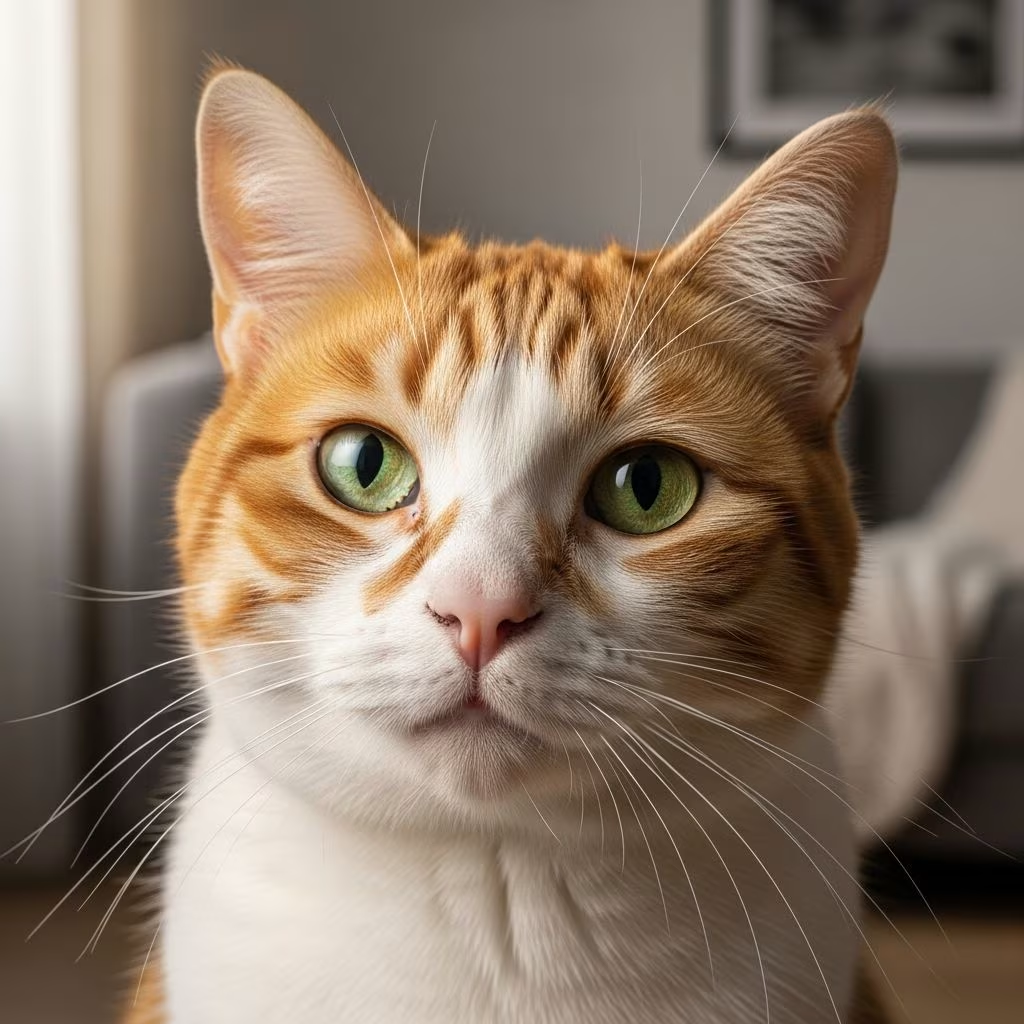
A stuffy nose in cats, often called **feline rhinitis** or nasal congestion, is a frequent issue that can range from mild irritations to serious health concerns. Cats rely heavily on their sense of smell for eating, grooming, and exploring, so a blocked nose can lead to discomfort, reduced appetite, and overall lethargy. Recognizing the signs early and understanding potential causes is crucial for timely intervention.
This comprehensive guide covers symptoms, causes, diagnosis, treatments, home remedies, prevention, and FAQs to help cat owners navigate this common problem effectively.
Recognizing the Signs of a Stuffy Nose in Cats
Cats cannot blow their noses like humans, so they depend on sneezing to clear blockages. A stuffy nose often presents with noticeable symptoms that affect daily behavior.
- Frequent sneezing: The primary way cats attempt to expel mucus, foreign objects, or irritants from their nasal passages.
- Nasal discharge: Clear at first, but can turn thick, yellow, white, green, or bloody if infection sets in. One or both nostrils may be affected.
- Breathing difficulties: Open-mouth breathing, snoring, panting, labored inhalation, or unusual respiratory noises due to blocked airways.
- Eye issues: Watery eyes, conjunctivitis, or discharge, as nasal and sinus problems often involve the eyes.
- Lethargy and appetite loss: Poor smell reduces interest in food, leading to weight loss; cats may paw at their face or drool.
- Other signs: Coughing, fever, swollen eyes, or bad breath in severe cases.
If symptoms persist beyond 24-48 hours or worsen, consult a veterinarian immediately, as chronic cases can lead to secondary infections or pneumonia.
Common Causes of Stuffy Nose in Cats
Numerous factors can cause nasal congestion in cats, from benign irritants to life-threatening diseases. Viral infections top the list, but allergies, trauma, and tumors also play roles.
Upper Respiratory Infections (URIs)
**Feline herpesvirus (FHV)** and **feline calicivirus (FCV)** are the most common culprits, causing acute or chronic rhinitis and sinusitis. These viruses lead to lifelong carrier status, with flare-ups triggered by stress. Symptoms include sneezing, congestion, and discharge. Bacterial secondary infections like **Chlamydia felis** or **Mycoplasma** often follow, causing eye swelling and fever.
Foreign Bodies
Grass awns, dirt, food particles, or plant material can lodge in the nasal cavity, prompting intense sneezing. Outdoor cats are at higher risk; veterinary removal is usually needed if sneezing fails to dislodge it.
Allergies and Irritants
Environmental allergens like pollen, dust, molds, litter dust, or food can trigger allergic rhinitis. Signs mimic colds: runny nose, itchy eyes, skin rashes, or gastrointestinal issues in food allergies.
Fungal Infections
Rare but serious, fungi from soil or bird droppings (e.g., cryptococcosis) infect via inhalation, especially in immunocompromised cats (e.g., FIV-positive). They cause one-sided discharge and can spread systemically.
Dental Disease
Tooth root abscesses or periodontal disease can extend to nasal sinuses, causing foul discharge, pain, and congestion. Older cats are prone.
Nasal Mites, Polyps, and Tumors
**Nasal mites (Pneumonyssoides caninum)** infest sinuses, leading to sneezing and discharge. **Nasopharyngeal polyps** are benign growths in kittens, blocking airflow. **Tumors** (e.g., adenocarcinoma) affect older cats, often unilaterally with bloody discharge and breathing noises.
Other Serious Conditions
Lungworms, pneumonia, pleural effusion (fluid in lungs), heart disease, or cleft palate deformities can manifest as nasal stuffiness. Parasites enter via prey, causing cough and fatigue.
When to See a Vet for Your Cat’s Stuffy Nose
Not all stuffy noses resolve on their own. Seek veterinary care if:
- Symptoms last over 3 days or include colored/bloody discharge.
- Your cat shows lethargy, fever, dehydration, or refuses food.
- One nostril is affected, suggesting tumors or foreign bodies.
- Breathing is labored or there’s facial swelling/pawing.
Early diagnosis prevents complications like chronic rhinosinusitis, where damaged nasal tissues lead to recurrent infections.
Diagnosis of Feline Nasal Congestion
Vets start with a physical exam, history, and symptom assessment. Further tests include:
- Imaging: X-rays, CT scans, or rhinoscopy to visualize blockages, polyps, or tumors.
- Swabs and cultures: For viruses, bacteria, fungi, or mites.
- Biopsies: For suspected cancer or chronic inflammation.
- Bloodwork: To check for systemic issues like FIV or allergies.
| Test | Purpose | Common Findings |
|---|---|---|
| Rhinoscopy | Direct nasal visualization | Polyps, foreign bodies, tumors |
| CT Scan | Detailed sinus imaging | Inflammation, abscesses |
| Viral PCR | Detect FHV/FCV | Carrier status confirmation |
| Fungal Culture | Identify pathogens | Cryptococcus spp. |
Treatment Options for a Cat’s Stuffy Nose
Treatment targets the underlying cause:
- Antibiotics/Antivirals: For bacterial/viral URIs (e.g., doxycycline for Mycoplasma).
- Antifungals: For fungal infections, often long-term.
- Surgery: To remove polyps, tumors, foreign bodies, or drain abscesses.
- Supportive care: Fluids, appetite stimulants, anti-inflammatories.
- Allergy management: Hypoallergenic diets, environmental changes.
Chronic cases may require ongoing nebulization or nasal flushes.
Home Remedies and Supportive Care
While awaiting vet care, provide comfort:
- Humidify air: Use a humidifier or steam from a hot shower to loosen mucus.
- Saline drops: Gently instill to clean nostrils (vet-approved only).
- Warm food: Enhance aroma to encourage eating; offer soft, smelly foods.
- Cleanliness: Wipe discharge with warm, damp cloth; isolate from other cats.
- Rest: Keep in a quiet, stress-free environment.
Avoid over-the-counter human meds, as they can be toxic to cats.
Preventing Stuffy Noses in Cats
Proactive steps reduce risks:
- Vaccinations: Core vaccines against FHV and FCV.
- Dental care: Regular brushing and check-ups.
- Parasite control: Monthly deworming for outdoor cats.
- Low-dust litter: And hypoallergenic environments.
- Stress reduction: Enrichment, routine, F3 pheromone diffusers.
Frequently Asked Questions (FAQs)
Can a stuffy nose be serious in cats?
Yes, while mild cases resolve quickly, persistent or one-sided congestion may indicate tumors, infections, or polyps requiring vet attention.
How long does a cat’s cold last?
Acute URIs typically last 7-10 days with care, but chronic rhinitis can persist lifelong without management.
Is cat flu the same as a stuffy nose?
Cat flu (FHV/FCV) often causes stuffy nose but includes ulcers, fever, and coughing; it’s highly contagious.
Can allergies cause chronic nasal issues?
Absolutely; pollen, dust, or food allergies lead to ongoing rhinitis, treatable by identifying and eliminating triggers.
Should I give my cat human decongestants?
No, they are dangerous; always consult a vet for feline-safe options.
References
- Cat has a blocked nose — kattovit. 2023. https://kattovit.com/en/blogs/katzengesundheit/katze-hat-nase-verstopft
- Chronic Upper Respiratory Tract Disease — VCA Animal Hospitals. 2024-01-15. https://vcahospitals.com/know-your-pet/chronic-upper-respiratory-tract-disease
- Rhinitis and Sinus Infections in Cats — Parkside Animal Hospital. 2023-05-10. https://www.parksidevet.ca/blog/rhinitis-and-sinus-infections-in-cats/
- Congested Kitty? Feline Upper Respiratory Infections 101 — WesVet. 2024. https://wesvet.com/congested-kitty-feline-upper-respiratory-infections-101/
- Rhinitis and Sinusitis in Cats – Cat Owners — Merck Veterinary Manual. 2025-06-01. https://www.merckvetmanual.com/cat-owners/lung-and-airway-disorders-of-cats/rhinitis-and-sinusitis-in-cats
- Feline Rhinitis: Causes, Symptoms, And Treatments — Trudell Animal Health. 2023-11-20. https://trudellanimalhealth.com/blogs/blog/feline-rhinitis-causes-symptoms-and-treatments



