

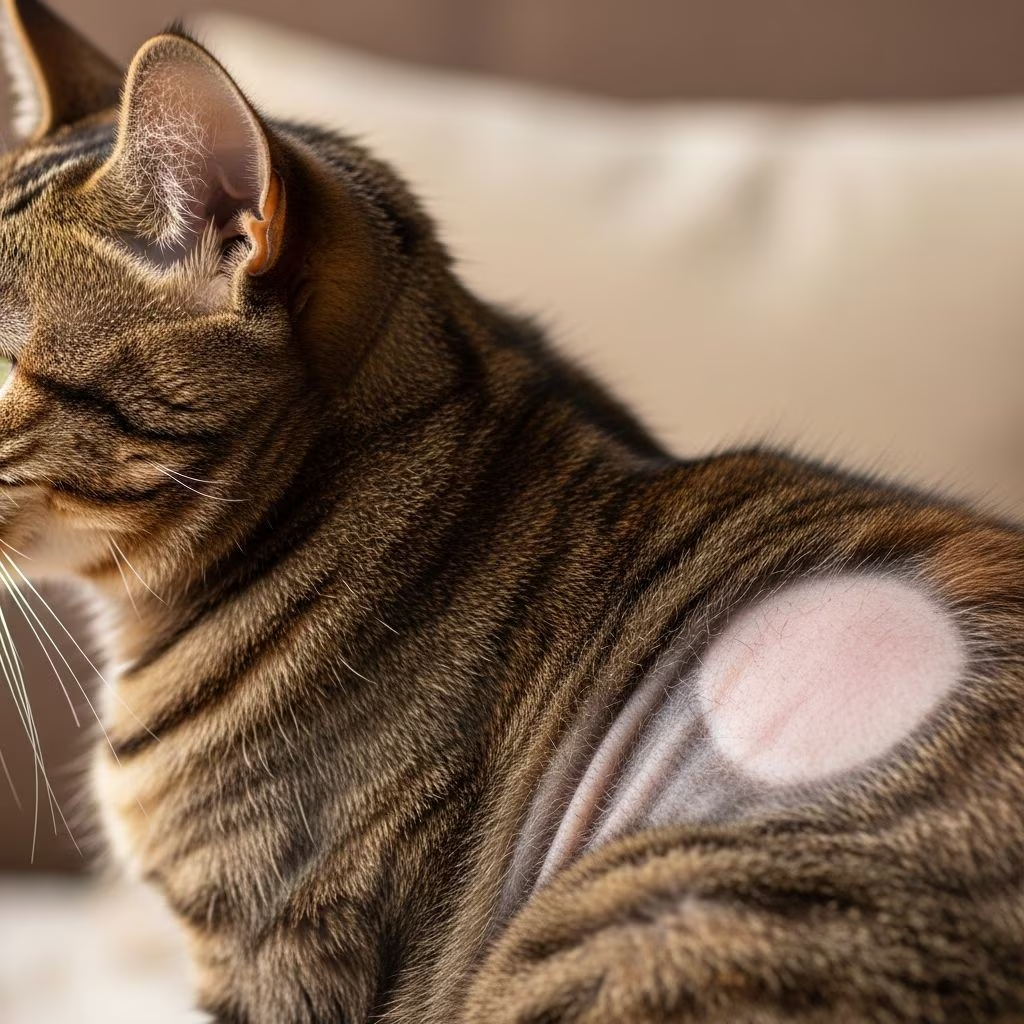
Noticing a bald spot on your cat can be alarming, but it’s a common issue with several potential causes ranging from parasites to stress. Understanding the underlying reason is key to restoring your cat’s coat and ensuring their health.
What Are Bald Spots on Cats?
Bald spots, or alopecia in veterinary terms, refer to areas of hair loss on a cat’s body where fur is noticeably thinned or completely absent. These patches can appear anywhere but are often found on the back, tail base, abdomen, legs, or paws. While some hair loss is normal during shedding seasons, distinct bald areas usually signal an underlying problem.
Cats are fastidious groomers, spending up to 50% of their waking hours licking their fur. Excessive grooming, known as overgrooming, is a frequent culprit, leading to symmetric hair loss patterns. If the skin beneath the bald spot looks healthy and pink, it might be psychogenic alopecia from stress; red, scaly, or crusty skin points to infections or parasites.
Common Causes of Bald Spots in Cats
Several factors can trigger feline hair loss. Here’s a breakdown of the most prevalent causes, supported by veterinary insights:
- External Parasites: Fleas, mites, and lice top the list as the leading cause of bald patches. Flea allergy dermatitis (FAD) occurs when cats react hypersensitively to flea saliva, causing intense itching around the rump, tail, and back. Even a single flea can provoke widespread overgrooming.
- Fungal Infections (Ringworm): Despite the name, ringworm is a highly contagious fungal infection (dermatophytosis) causing circular, scaly bald patches with broken hairs. It’s zoonotic, meaning it can spread to humans and other pets, especially in multi-cat homes or shelters.
- Allergies: Food allergies, environmental allergens (like pollen or dust), or contact dermatitis lead to itchy skin and subsequent licking. Common signs include bald spots on the face, ears, or belly.
- Overgrooming Due to Stress or Anxiety: Psychogenic alopecia results from compulsive licking triggered by changes like new pets, moves, or loud environments. Bald patches often appear symmetrically on the flanks, belly, and inner thighs.
- Endocrine Disorders: Hyperthyroidism, common in senior cats, causes poor coat quality and patchy hair loss due to excess thyroid hormone. Cushing’s disease or diabetes can also contribute.
- Bacterial or Yeast Infections: Secondary infections from scratching create crusty, red bald areas. These often follow parasite bites or allergies.
- Genetic or Congenital Conditions: Breeds like Sphynx have natural baldness, while others may have hereditary alopecia that resolves spontaneously.
Symptoms to Watch For
Beyond the bald patch itself, accompanying symptoms help pinpoint the cause:
- Itching, scratching, or biting at the area (parasites, allergies).
- Red, inflamed, scaly, or crusty skin (infections, ringworm).
- Symmetric hair loss without skin changes (stress).
- Lethargy, weight loss, increased thirst (thyroid issues).
- Dandruff, greasy fur, or foul odor (infections or poor nutrition).
Patterns matter: Localized spots suggest parasites or ringworm; widespread thinning indicates systemic issues like hormones or nutrition.
Diagnosing the Cause
Don’t self-diagnose—veterinary evaluation is essential. Expect:
- A thorough physical exam, including skin scrapings, flea combing, and Wood’s lamp test for ringworm.
- Cytology or fungal cultures to identify infections.
- Blood tests for thyroid function, allergies, or systemic diseases.
- Allergy trials or food elimination diets.
- Skin biopsies for rare conditions.
Early diagnosis prevents complications like secondary infections or self-trauma from excessive grooming.
Treatment Options
Treatment targets the root cause. Common approaches include:
| Cause | Treatment |
|---|---|
| Parasites | Spot-on treatments (e.g., fipronil, selamectin), medicated baths, environmental cleaning. Steroids for severe itching. |
| Ringworm | Oral antifungals (e.g., itraconazole), lime sulfur dips, clipping fur, isolating the cat. |
| Allergies | Hypoallergenic diets, antihistamines, Apoquel or steroids, immunotherapy. |
| Stress | |
| Hyperthyroidism | Methimazole pills, radioactive iodine therapy, surgery. |
| Infections | Antibiotics, antifungals, medicated shampoos. |
Hair typically regrows within 4-8 weeks post-treatment, but severe cases may take months. Monitor progress with follow-up vet visits.
Prevention Strategies
Proactive steps keep bald spots at bay:
- Year-round flea prevention for all pets.
- Regular grooming to spot issues early.
- Balanced diet rich in omega-3s for coat health.
- Stress reduction: scratching posts, playtime, stable routines.
- Quarantine new cats and clean litter boxes daily.
- Senior wellness checks for endocrine screening.
When to See a Vet Urgently
Seek immediate care if bald spots accompany open wounds, lethargy, vomiting, rapid weight loss, or spread quickly. These signal serious issues like infections or systemic disease.
Frequently Asked Questions (FAQs)
Is a bald spot on my cat always serious?
Not always—stress or genetics can cause temporary loss. However, rule out medical causes with a vet visit.
Can bald spots heal on their own?
Minor cases from genetics or mild stress may resolve spontaneously, but most require intervention to prevent worsening.
Why does my cat have a bald spot on its belly?
Belly baldness often stems from overgrooming due to stress, allergies, or urinary issues. Check for inflammation.
How long does it take for cat hair to grow back?
Typically 1-3 months with proper treatment, faster in young cats.
Can humans catch ringworm from cats?
Yes, it’s contagious. Wash hands and avoid touching lesions.
Conclusion
Bald spots in cats are often treatable with prompt vet care. By identifying parasites, infections, allergies, or stress early, you can help your feline regain a lush coat and comfort. Regular preventives and a low-stress home go a long way.
References
- Bald Patches on Cats: Symptoms, Causes & Treatment — Argos Pet Insurance. 2023. https://www.argospetinsurance.co.uk/we-talk-pet/bald-patches-on-cats-what-are-the-reasons-for-them/
- Bald Spot on Cats — Auburndale Veterinary Clinic. 2024. https://auburndalevets.com/blog/cat-bald-spot/
- Hair loss (alopecia) in cats — PDSA. 2025-01-10. https://www.pdsa.org.uk/pet-help-and-advice/pet-health-hub/symptoms/hair-loss-alopecia-in-cats
- Cat Losing Hair? Causes and When to Worry — Fulton County Vet Clinic. 2024. https://fultoncountyvetclinic.com/blog/cat-losing-hair/
- Causes of Hair Loss In Cats — Tassajara Veterinary Clinic. 2023. https://www.tassajaravet.com/causes-of-hair-loss-in-cats/
- Alopecia in Cats: What It Is and Why Your Cat Is Losing Hair — PetMD. 2025-06-15. https://www.petmd.com/cat/conditions/skin/alopecia-cats-what-it-and-why-your-cat-losing-hair



