

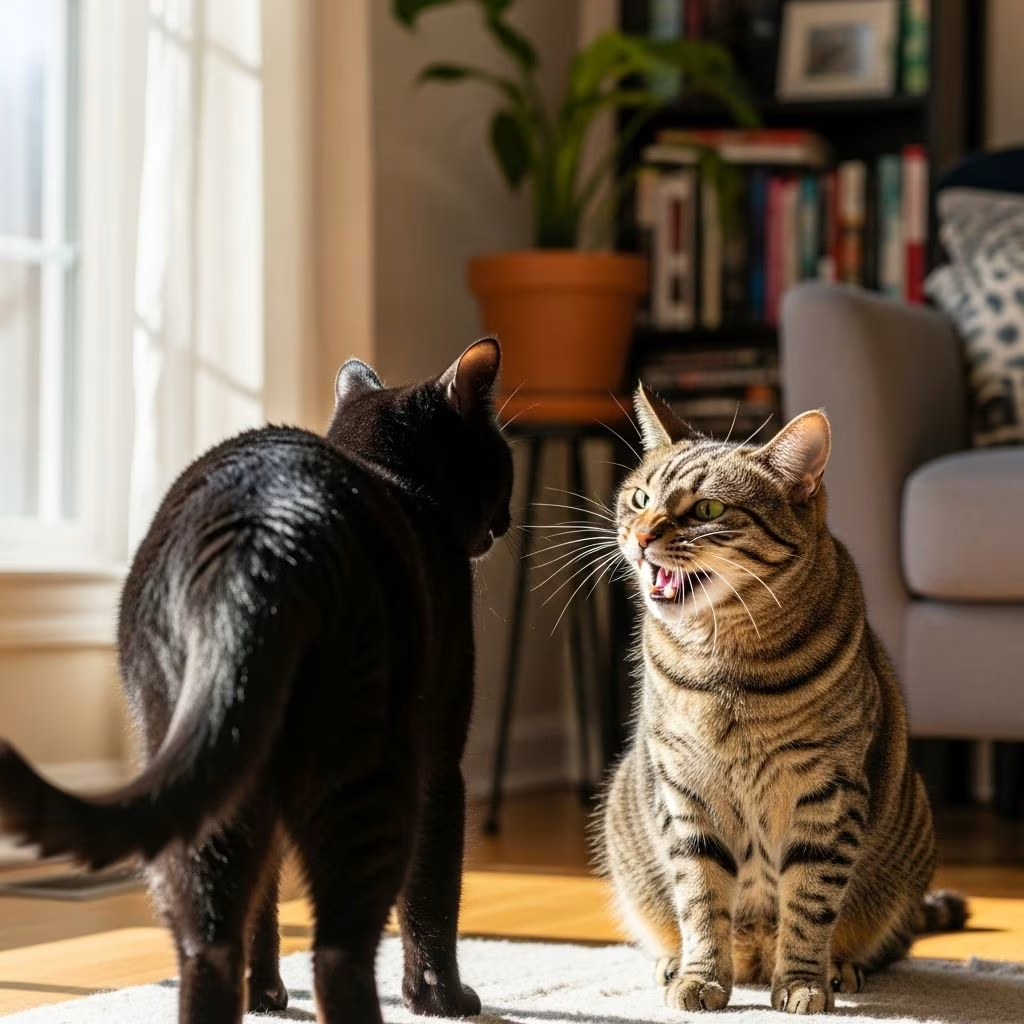
Why Does My Cat Hate Other Cats? Understanding Feline Aggression
If you’ve ever witnessed your beloved cat hissing, swatting, or outright attacking another cat, you’ve likely wondered what’s behind this seemingly inexplicable behavior. The truth is, cats aren’t naturally solitary creatures that inherently despise their own kind—rather, they’re complex animals with specific social needs and territorial instincts. Understanding why your cat displays aggression toward other felines is the first step toward creating a more harmonious multi-cat household.
Cat aggression toward other cats is a common behavioral issue that frustrates many pet owners. However, this behavior rarely stems from simple “hatred.” Instead, it’s usually rooted in identifiable triggers and underlying causes that, once understood, can be addressed through proper management and behavioral intervention.
Common Types of Cat Aggression
Cats express aggression in various forms, and each type has distinct characteristics and underlying causes. Recognizing which type of aggression your cat is displaying is crucial for implementing the right solution.
Territorial Aggression
Territorial aggression is one of the leading causes of conflict between household cats. This behavior is directed toward animals or people approaching what a cat perceives as their property. Cats living indoors may treat specific spaces—such as favorite sleeping spots, feeding areas, or windowsills—as their exclusive territory.
Territorial aggression typically becomes more prominent as cats mature socially, usually between two and three years of age. Common triggers include:
- A kitten in the household reaching sexual maturity
- Introduction of a new cat into the family
- Major environmental changes such as moving or renovations
- Stray or roaming cats entering the cat’s perceived territory from outdoors
Cats displaying territorial aggression often use blocking behaviors to prevent other cats from accessing certain areas. These may range from subtle stares to more overt displays like growling, lunging, or stalking. A territorially aggressive cat typically maintains an upright posture with ears forward, presenting an intimidating stance to rival felines.
Fear-Based Aggression
Fear-based aggression occurs when a cat feels threatened and responds defensively to protect itself. Contrary to common belief, frightened cats don’t always flee—sometimes they fight. A fearful cat initially displays a low, crouched body posture with ears held back. However, if the threat persists and the cat cannot escape, it may escalate to aggressive displays including hissing, growling, and lunging.
This type of aggression often stems from negative experiences or lack of socialization with other cats. Factors contributing to fear-based aggression include:
- Lack of pleasant social experiences with other cats during kitten years
- Negative associations between other cats and unpleasant events like fireworks or thunderstorms
- Simple personality incompatibility between household cats
- Physical size differences, where larger cats intimidate smaller or less active ones
The escalation of fear-based aggression can become problematic. When a fearful cat flees, other naturally social cats may instinctively chase, which increases the fearful cat’s anxiety and reinforces the aggressive response in both animals.
Redirected Aggression
Redirected aggression occurs when a cat reacts to a stressor they cannot directly access, causing them to lash out at a nearby person or pet instead. This happens when your cat becomes upset by something in their environment but cannot confront the actual source of their frustration.
Common triggers for redirected aggression include:
- Watching another cat through a door or window
- Seeing or stalking birds, squirrels, or other prey animals
- Detecting another cat’s scent on family members, visitors, or clothing
- Hearing high-pitched noises or sudden loud sounds like thunderstorms, fireworks, or construction
- Coming indoors after being outside if the cat typically lives exclusively indoors
- Being frightened or harassed by a dog in the home
- Being in stressful environments like animal shelters
For example, your indoor cat might see an unfamiliar cat outside and become agitated. Since they cannot access the outdoor cat directly, if your other household cat enters the room, that pent-up aggression gets redirected toward the innocent family pet.
Play Aggression
Play aggression occurs because a cat’s natural hunting instincts aren’t being adequately satisfied. Cats are naturally wired to hunt several times daily, following a cycle of hunt, catch, kill, and eat. When cats lack appropriate outlets for these predatory behaviors, they may redirect that pent-up energy toward household members or other pets.
This type of aggression is particularly common in young, energetic cats that don’t receive enough interactive play or environmental enrichment. Providing appropriate toys, regular play sessions, and hunting-simulation activities can significantly reduce this type of aggressive behavior.
Physical Size and Activity Level Factors
The physical characteristics of your cats play a significant role in determining their social dynamics. Large, active cats often intimidate smaller or less active cats, leading to aggressive encounters. This size-based hierarchy can develop quickly and become a persistent source of tension in multi-cat households.
Consider the age, size, and activity level of all cats in your home when assessing aggression issues. A senior cat may become defensive when a young, energetic kitten constantly pursues play, while a small, timid cat may feel perpetually threatened by a large, boisterous companion.
Medical Conditions Contributing to Aggression
Before attributing your cat’s aggressive behavior solely to behavioral causes, it’s essential to rule out underlying medical conditions. Several health issues can cause or significantly contribute to aggression, including:
- Toxoplasmosis
- Hyperthyroidism
- Epilepsy
- Chronic pain or illness
- Neurological disorders
Any cat displaying sudden aggressive behavior should be evaluated by a veterinarian to rule out medical causes. Pain or illness can dramatically alter a cat’s temperament and make them more irritable and defensive toward other household pets.
When Do Cats Become More Aggressive?
Certain life events and transitions trigger increased aggressive behavior between household cats:
- Sexual maturity: When a kitten reaches sexual maturity, territorial and aggressive behaviors often intensify
- Introduction of new cats: Bringing a new cat into an established territory typically triggers aggressive responses
- Environmental changes: Moving to a new home or significant household changes can increase stress and aggression
- Encountering outdoor cats: Even seeing neighborhood cats through a window can trigger territorial displays
How to Manage and Reduce Cat-to-Cat Aggression
Once you’ve identified the type and cause of aggression in your household, several strategies can help reduce conflict:
Environmental Management
Create separate spaces for each cat to retreat to when needed. Provide multiple resources including:
- Separate litter boxes (at least one per cat, plus one extra)
- Multiple food and water stations in different locations
- Distinct resting and sleeping areas
- High perches or window seats where cats can observe without interaction
These resources reduce competition and give each cat a sense of control over their own territory.
Managing Triggers
For redirected aggression, minimize exposure to known triggers. If your cat becomes aggressive after seeing outdoor cats, consider installing window films or curtains to reduce visual access. For noise-sensitive cats, use white noise machines or provide safe retreat spaces during potentially stressful events.
Providing Appropriate Outlets
Ensure each cat receives adequate play and enrichment. Interactive play sessions with toys that simulate prey movements can satisfy hunting instincts and reduce play aggression. Puzzle feeders and environmental enrichment also help channel energy constructively.
Decompress Time
If your cat has experienced an episode of redirected aggression, remove them from the trigger and allow them to decompress in a calm, quiet environment. This helps them return to a relaxed state and prevents continued escalation.
When to Seek Professional Help
If aggressive behavior persists despite your management efforts, consult a veterinary behaviorist. They can evaluate your cats’ specific situation and create a tailored treatment plan addressing the underlying causes. A professional can also recommend medication or behavioral modification techniques specifically suited to your cats’ needs.
Understanding Your Cat’s Perspective
It’s important to remember that your cat isn’t displaying aggression out of malice or genuine “hatred.” Instead, they’re responding to perceived threats, competition for resources, or unmet needs. By understanding the root causes of their behavior and implementing appropriate management strategies, you can significantly improve relationships between household cats.
Patience is essential when addressing multi-cat aggression. Behavioral changes don’t happen overnight, but with consistent effort and proper strategies, most cat conflicts can be substantially reduced or resolved.
Frequently Asked Questions
Q: Is it normal for cats to be aggressive toward each other?
A: Some level of territorial or play behavior is normal, but persistent aggression that leads to injury or constant stress isn’t healthy and should be addressed with environmental management or professional help.
Q: How can I introduce a new cat to my existing cat safely?
A: Introduce cats gradually over several weeks, keeping them in separate spaces initially and allowing them to become accustomed to each other’s scent before face-to-face interactions. Consult resources on proper cat introductions or speak with a veterinary behaviorist.
Q: Can medical conditions cause sudden aggression in cats?
A: Yes, conditions like hyperthyroidism, epilepsy, and chronic pain can trigger or contribute to aggressive behavior. Always have a veterinarian examine a cat displaying sudden aggression.
Q: What’s the difference between play aggression and serious aggression?
A: Play aggression typically involves pouncing and wrestling without serious injury, while serious aggression causes puncture wounds, excessive bleeding, or signs of genuine fear in the other cat. Serious aggression requires intervention.
Q: Will my cats ever get along if they currently fight?
A: Many cats can develop more peaceful coexistence through proper management and environmental modifications, though they may never become close friends. Success depends on the cause of aggression and your commitment to implementing solutions.
Q: How long does it take to resolve cat aggression?
A: Behavioral changes typically take weeks to months to achieve. Consistency in management strategies and patience are essential for improvement.
References
- Aggression in Cats — American Society for the Prevention of Cruelty to Animals (ASPCA). https://www.aspca.org/pet-care/cat-care/common-cat-behavior-issues/aggression-cats
- Redirected Aggression in Cats: Why It Happens and What To Do — PetMD. https://www.petmd.com/cat/behavior/redirected-aggression-cats-why-it-happens-and-what-do
- My Cat is Being Aggressive Towards My Other Cat, What Should I Do? — Royal Society for the Prevention of Cruelty to Animals (RSPCA) Australia. https://kb.rspca.org.au/categories/companion-animals/cats/behaviour/my-cat-is-being-aggressive-towards-my-other-cat-what-should-i-do
- Cat Behavior Problems: Aggression Towards Other Household Cats — VCA Animal Hospitals. https://vcahospitals.com/know-your-pet/cat-behavior-problems–aggression-in-cats-fear-and-territorial-to-other-household-cats
- What Cat Aggression Means and How To Handle It — Chewy. https://www.chewy.com/education/cat/training-and-behavior/have-a-mean-cat-heres-what-cat-aggression-means
- Cat Aggression Toward Other Cats: Causes and Prevention — Best Friends Animal Society. https://bestfriends.org/pet-care-resources/cat-aggression-toward-other-cats-causes-and-prevention
- Cat Aggression Toward New Cats — Maddie’s Fund. https://www.maddiesfund.org/cat-aggression-toward-new-cats.htm



