

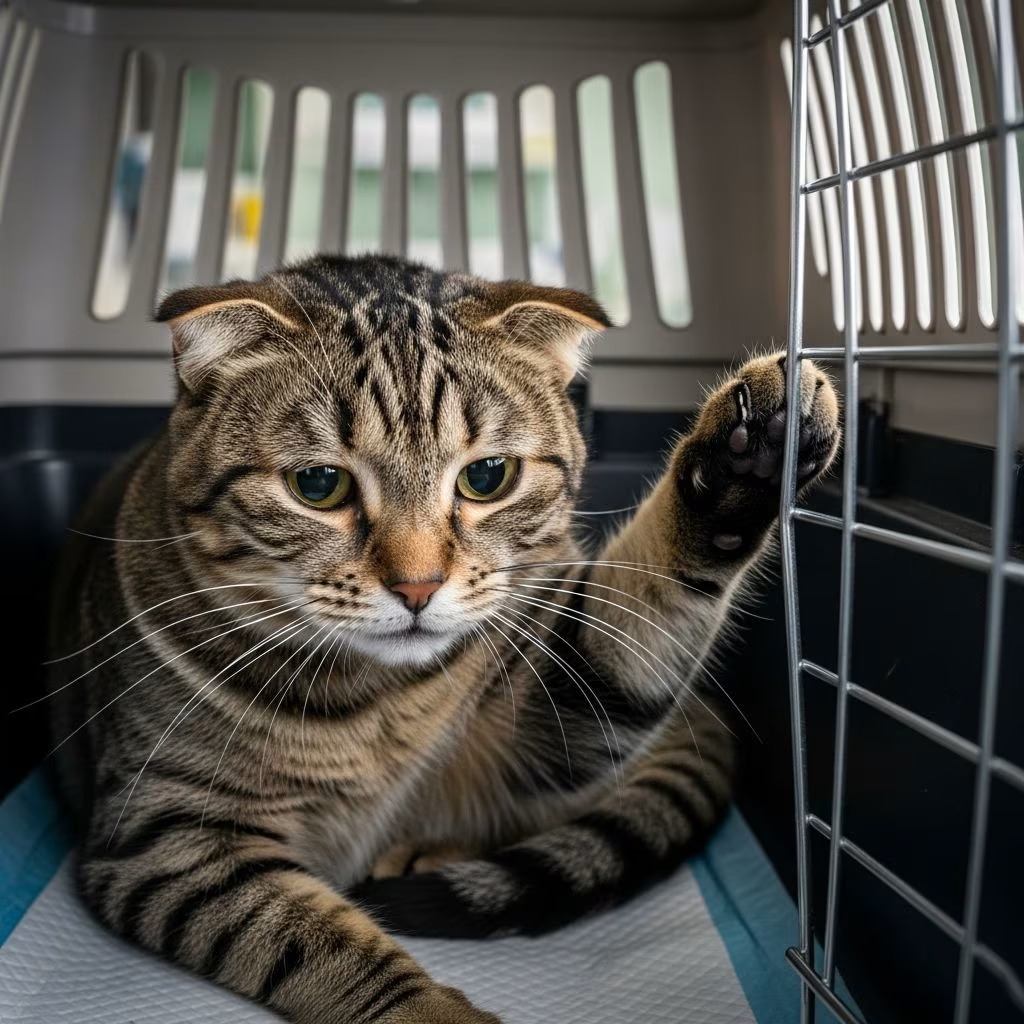
Cats often react with intense fear or aggression during veterinary visits, a common issue linked to stress that can impact their health and care quality. Research shows cats displaying aggression at clinics are more likely to show anxiety-related behaviors at home, leading to prolonged stress effects on immunity and conditions like feline interstitial cystitis.
Reasons Cats Hate the Vet
Veterinary visits trigger multiple stressors for cats, from confinement to unfamiliar environments. Understanding these helps owners and vets minimize distress.
The Carrier Conundrum
Carriers evoke immediate dread as they signal an unwanted journey. Cats associate them with past stressful trips, leading to hiding or resistance. To counter this, leave the carrier out daily with familiar bedding and treats inside, gradually building positive associations.
- Introduce carrier early: Place it in a quiet spot with toys.
- Use pheromone sprays: Feliway in the carrier reduces anxiety.
- Practice loading: Reward calm entry with high-value treats.
Stressful Transport
Car rides amplify fear with motion, noises, and confinement. Cats may vocalize excessively or freeze in terror. Cover the carrier with a breathable towel to block visuals and secure it on a flat car seat to reduce movement.
Studies indicate transport stress activates the feline stress response, potentially exacerbating urinary issues.
Unfamiliar Clinic Smells and Sounds
Vet clinics bombard cats with dog scents, disinfectants, and barking, overwhelming their sensitive noses. Cats freeze, hide, or aggress to cope. Clinics following cat-friendly guidelines, like separating feline areas, help.
The Waiting Room Ordeal
Crowded waiting rooms heighten anxiety through proximity to other animals. Owners report cats trembling or hissing here. Request quiet rooms or after-hours visits when possible.
Handling and Restraint by Strangers
Unfamiliar hands during exams trigger defensive aggression. Cats growl, hiss, or scratch as stress signs like dilated pupils and flattened ears appear. Vets trained in low-stress handling use towel wraps or minimal restraint.
Painful or Uncomfortable Procedures
Injections, nail trims, or exams cause pain, reinforcing vet hatred. Pre-visit anxiolytics can prevent escalation, yet only 33% of aggressive cats receive them.
How to Help Your Cat Like the Vet More
Proactive steps transform vet trips. Start with home preparation and communicate with your vet.
Desensitization Training at Home
Gradually acclimate your cat: Touch paws gently, reward tolerance, mimic exam motions. This reduces fear responses over time.
- Week 1: Carrier familiarization.
- Week 2: Short car trips without vet.
- Week 3: Mock exams with treats.
Calming Aids and Medications
Pheromone diffusers, CBD treats, or gabapentin ease anxiety. A study found owners open to situational anti-anxiety meds, but awareness is low. Consult your vet for prescriptions.
| Aid Type | Benefits | Usage |
|---|---|---|
| Pheromones (Feliway) | Reduces stress signals | Spray carrier/clinic |
| Gabapentin | Sedative effect | Pre-visit oral dose |
| Nutraceuticals | Mild calming | Daily or situational |
Choose a Cat-Friendly Veterinarian
Seek AAFP Cat Friendly Practice certified vets with feline-only hours and low-stress protocols. They prioritize behavioral assessments at every visit.
Timing and Scheduling Tips
Book first morning appointments to avoid crowds and odors. Fast minimally if needed, but provide water.
Signs Your Cat Is Stressed at the Vet
Recognize subtle cues to intervene early. Stressed cats show:
- Body language: Crouched posture, tail tucked, ears back.
- Facial signs: Dilated pupils, nose licking, piloerection.
- Vocalizations: Hissing, growling, shrieking.
- Behaviors: Freezing, hiding, aggression.
These indicate distress; pausing handling prevents escalation.
When to Seek Professional Behavior Help
If aggression persists at home or vet, consult a veterinary behaviorist. Tools like Fe-BARQ questionnaires identify issues. Untreated stress leads to relinquishment or euthanasia risks.
Behavioral history includes onset, frequency, and triggers for accurate diagnosis.
Frequently Asked Questions (FAQs)
Why is my cat aggressive at the vet but not at home?
Cats aggressive at vets often show home anxiety too, per Fe-BARQ data. Clinic stress amplifies underlying fears.
Should I medicate my cat before the vet?
Yes, discuss anxiolytics like gabapentin with your vet; 67% of cats don’t receive them despite need.
How can I make my cat love its carrier?
Daily access with treats and play builds positivity. Feed meals inside.
What if my cat hates car rides?
Cover carrier, play soothing music, practice short trips. Use calming chews.
Are cat-friendly vets worth it?
Absolutely; they reduce stress, improving care compliance and cat welfare.
Conclusion
By addressing carrier phobia, transport woes, and clinic stressors with preparation and tools, you can help your cat tolerate—and maybe even accept—vet visits. Prioritize behavioral screening for optimal health.
References
- Cat Aggression: Clinic vs. Home Behaviors in USA — Journal of Feline Medicine and Surgery. 2024. https://journals.sagepub.com/doi/10.1177/1098612X231214907
- Diagnosing Behavior Problems in Cats — Merck Veterinary Manual. 2024. https://www.merckvetmanual.com/cat-owners/behavior-of-cats/diagnosing-behavior-problems-in-cats
- Behavioral awareness in the feline consultation — PubMed Central. 2024. https://pmc.ncbi.nlm.nih.gov/articles/PMC11395291/
- Feline Behavior Guidelines — American Association of Feline Practitioners (catvets.com). 2024. https://catvets.com/wp-content/uploads/2024/01/FelineBehaviorGLS.pdf
- Decoding Common Cat Behavior — MedVet. 2024. https://www.medvet.com/cat-behaviors/



