

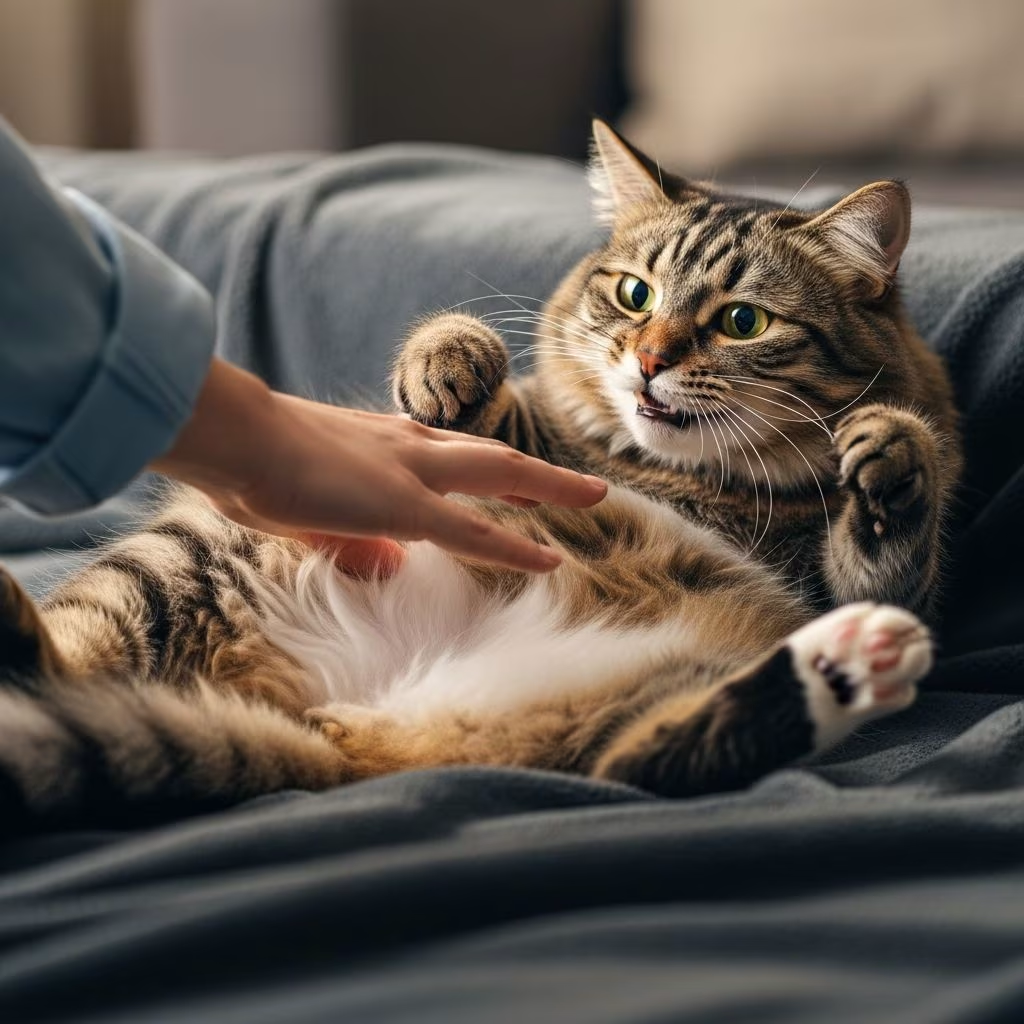
Why Does My Cat Hate Belly Rubs?
If you’ve ever tried to pet your cat’s belly and ended up with scratches or bites, you’re not alone. Most cat owners have experienced this seemingly sudden aggressive reaction, even from cats that appear affectionate in other situations. The truth is, there are legitimate scientific and evolutionary reasons why cats dislike belly rubs, and understanding these reasons can help you develop a better relationship with your feline companion and respect their boundaries.
The Sensitivity of Your Cat’s Belly
One of the primary reasons cats hate belly rubs lies in the extraordinary sensitivity of the hair and skin on their abdomens. Unlike human skin, which has relatively uniform sensitivity across most body areas, cat skin—particularly on the belly—is exceptionally sensitive to touch. This heightened sensitivity is due to the structure and composition of hair follicles in this region.
A cat’s hair grows from follicles located in the dermis, the middle layer of skin. These follicles contain blood vessels and sensory nerves that transmit touch sensations and pain signals to the brain. While all of your cat’s hair follicles contain these nerve endings, the follicles on the belly contain a particularly high concentration of them, making even the gentlest touch feel intense or overwhelming.
To put this in perspective, consider your cat’s whiskers. Whisker follicles contain such an abundance of nerves and blood vessels that they’re as sensitive as human fingertips. Though belly hair follicles don’t contain quite as many nerve endings as whiskers, they have enough to make belly touching feel overstimulating for most cats. This sensory overload can trigger an aggressive response as your cat attempts to stop what it perceives as an irritating or painful stimulus.
The Primordial Pouch: Your Cat’s Most Vulnerable Area
Beyond the issue of sensitivity, the belly itself is one of the most vulnerable parts of a cat’s body. Protected by only a thin layer of skin and fat called the primordial pouch, the belly houses some of the cat’s most vital organs, including the liver, kidneys, intestines, and stomach. In nature, predators and fighting animals often target the soft underside of prey or rivals because they know this area will cause the most damage and potentially be fatal.
Because of this evolutionary reality, cats have developed a strong instinctive drive to protect their bellies. This protective behavior isn’t learned—it’s hardwired into your cat’s DNA. Even if your cat trusts you completely and feels safe in your home, their instincts may still trigger a defensive response when you touch their belly. From your cat’s perspective, allowing access to this vulnerable area represents a significant risk, regardless of your benign intentions.
Understanding the Belly Flop: What It Really Means
Many cat owners misinterpret their cat’s behavior when it comes to belly exposure. When your cat rolls over and displays their belly, showing their paws in the air and appearing completely relaxed, most people assume this is an invitation for a belly rub. However, this interpretation is usually incorrect.
When a cat exposes their belly, they’re typically communicating one of several things: they’re relaxing and stretching, they’re regulating their body temperature (especially when lying in a sunny spot), or they’re demonstrating that they feel secure and comfortable in their environment. The belly exposure is not an invitation to touch—it’s actually a sign of trust that doesn’t necessarily extend to physical contact in that area.
Additionally, many cats enjoy a comfortable rolling-around moment as a form of personal, private relaxation. When you approach and touch their belly during these moments, you’re interrupting their peaceful time, which naturally triggers a defensive reaction. Your cat isn’t being ungrateful or difficult; they’re simply communicating that you’ve violated their personal space.
The Trust Factor in Belly Exposure
While belly exposure isn’t an invitation to touch, it does represent a significant level of trust between you and your cat. The fact that your cat is willing to expose their most vulnerable area in your presence indicates that they feel safe with you. This is especially meaningful if your cat doesn’t typically show their belly to other people or in unfamiliar environments.
If your cat allows you to come near while they’re in this exposed position without attacking, or if they occasionally permit brief touches to their belly, consider this a compliment. Your cat is saying they trust you, even if they don’t necessarily enjoy the sensation of belly rubs. The best way to honor this trust is to respect their boundaries and avoid touching their belly without explicit permission.
Why Some Cats Do Tolerate Belly Rubs
While most cats dislike belly rubs, some cats do genuinely enjoy them. This variation in preference is often influenced by several factors. Personal preference and individual personality play a significant role—some cats simply have a higher tolerance for the sensations associated with belly touching.
Early socialization and handling are also crucial factors. Cats that were handled gently and respectfully by humans from a very young age may develop a different relationship with touch, including belly rubs, compared to cats that had limited early human contact. If a kitten learns that gentle belly touches don’t pose a threat, they may develop a positive association with this type of petting.
Additionally, sensory differences between individual cats matter significantly. While belly contact may be overstimulating for some cats, others may have a naturally higher sensory threshold and thus tolerate the sensation better. Trust also plays an important role—a cat that allows belly rubs typically trusts their owner completely and may even show this affection as a sign of their deep bond with that person.
Reading Your Cat’s Warning Signs
Before a cat reacts aggressively to belly rubs, they typically give clear warning signals. Learning to recognize these signs can help you avoid scratches and bites while showing your cat that you respect their communication efforts.
Common warning signs include:
- Tail twitching or moving restlessly
- Ears flattening back against the head
- Skin rippling or twitching along the back
- Dilated pupils or a direct, intense stare
- Sudden tension in the body
- Hair standing on end or fur appearing puffed up
- Chattering teeth or growling
If you notice any of these signs, stop petting immediately. Your cat is clearly communicating discomfort, and continuing to pet them despite these warnings often results in biting or scratching. By respecting these early signals, you’re teaching your cat that you listen to their body language and care about their comfort.
Where Cats Prefer to Be Touched
If your cat doesn’t enjoy belly rubs but you want to provide affectionate touch, focus on areas they typically appreciate. Most cats enjoy being stroked on their face, head, neck, and back. Many cats are particularly responsive to face petting because this area contains numerous scent glands.
When you pet your cat’s face, they can rub their scent glands on your hands, allowing them to mark you as part of their family group. This scent-marking behavior is a significant form of feline communication and affection. By petting your cat’s face, you’re actually providing them with a valuable service—they get to claim you as their own while also spreading their scent to other objects and people you touch, essentially marking their territory without any effort on their part.
Most cats also enjoy gentle strokes along their back and sides, though you should still watch for warning signs that indicate overstimulation. Some cats have a limited tolerance for even this type of petting and will only enjoy brief sessions before they need a break.
Tips for Respectful Cat Petting
Understanding your cat’s preferences and communicating respectfully creates a stronger bond and reduces the risk of conflict. Here are key strategies for petting your cat in ways they’ll actually enjoy:
- Avoid the belly: Unless your specific cat has clearly indicated they enjoy belly rubs, keep your petting to the head, face, and back areas
- Watch for warning signs: Stop petting immediately if you notice tail twitching, ear flattening, or skin rippling
- Keep sessions brief: Even cats that enjoy petting often have a limited tolerance; it’s better to pet for 30 seconds and stop than to continue until they become irritated
- Let your cat initiate: When possible, allow your cat to approach you for affection rather than forcing interaction on them
- Respect belly exposure: If your cat shows their belly, enjoy the moment of trust without taking it as an invitation to touch
- Focus on the face: Most cats respond positively to gentle strokes on their cheeks, chin, and the area between their eyes
- Use gentle pressure: Many cats prefer firmer, slower strokes over light tickling touches
Individual Variation in Cat Behavior
It’s important to remember that each cat is an individual with unique preferences, sensitivities, and personality traits. While general guidelines about cat behavior are helpful, your own cat’s preferences should always take priority. Some cats may enjoy brief belly touches from only one specific person in their life, while others may never tolerate belly contact under any circumstances.
Pay attention to your own cat’s specific signals and preferences. If your cat occasionally allows a quick belly touch before walking away, this is their way of setting a boundary—respect it by not pushing for more. If your cat never shows their belly or immediately reacts defensively when you approach their belly, they’re clearly communicating their discomfort, and you should honor that preference.
Frequently Asked Questions
Q: Does my cat’s belly exposure mean they want belly rubs?
A: Not necessarily. While belly exposure indicates trust and comfort, it’s often a sign your cat wants to relax and stretch, not an invitation to touch. Always watch for warning signs before attempting to pet the belly.
Q: Why do some cats like belly rubs while others don’t?
A: Variation in belly rub tolerance depends on factors including early socialization, individual sensory sensitivity, personality type, and learned trust with specific people. Cats handled gently from kittenhood may be more tolerant of belly contact.
Q: What should I do if my cat attacks me when I touch their belly?
A: Your cat is communicating discomfort. Stop touching their belly immediately and watch for earlier warning signs in the future, such as tail twitching or ear flattening. Respect your cat’s boundaries to prevent future aggressive responses.
Q: Are belly rubs harmful to cats?
A: Belly rubs themselves aren’t harmful, but they cause stress and frustration for most cats due to sensitivity and protective instincts. If your cat clearly dislikes them, avoid this type of petting.
Q: Can I train my cat to like belly rubs?
A: While early socialization plays a role in tolerance for belly rubs, adult cats’ preferences are largely established. You might slowly and gently introduce brief, light touches to the belly combined with treats, but always respect your cat’s signals and never force interaction.
Q: Which areas do most cats prefer to be petted?
A: Most cats enjoy gentle strokes on their face, head, cheeks, chin, neck, and back. These areas are less sensitive and contain scent glands that cats enjoy using to mark you as part of their family.
References
- Why Cats Hate Belly Rubs: Science-Based Facts & FAQ — Hepper. 2024. https://articles.hepper.com/why-cats-hate-belly-rubs/
- How rare is it for a cat to like belly rubs? — PetsCare.com. 2024. https://www.petscare.com/news/faq/how-rare-is-it-for-a-cat-to-like-belly-rubs
- Why Cats REALLY Hate Belly Rubs — Sparkle Cat. 2024. https://www.sparklecat.com/special/why-cats-hate-belly-rubs



