

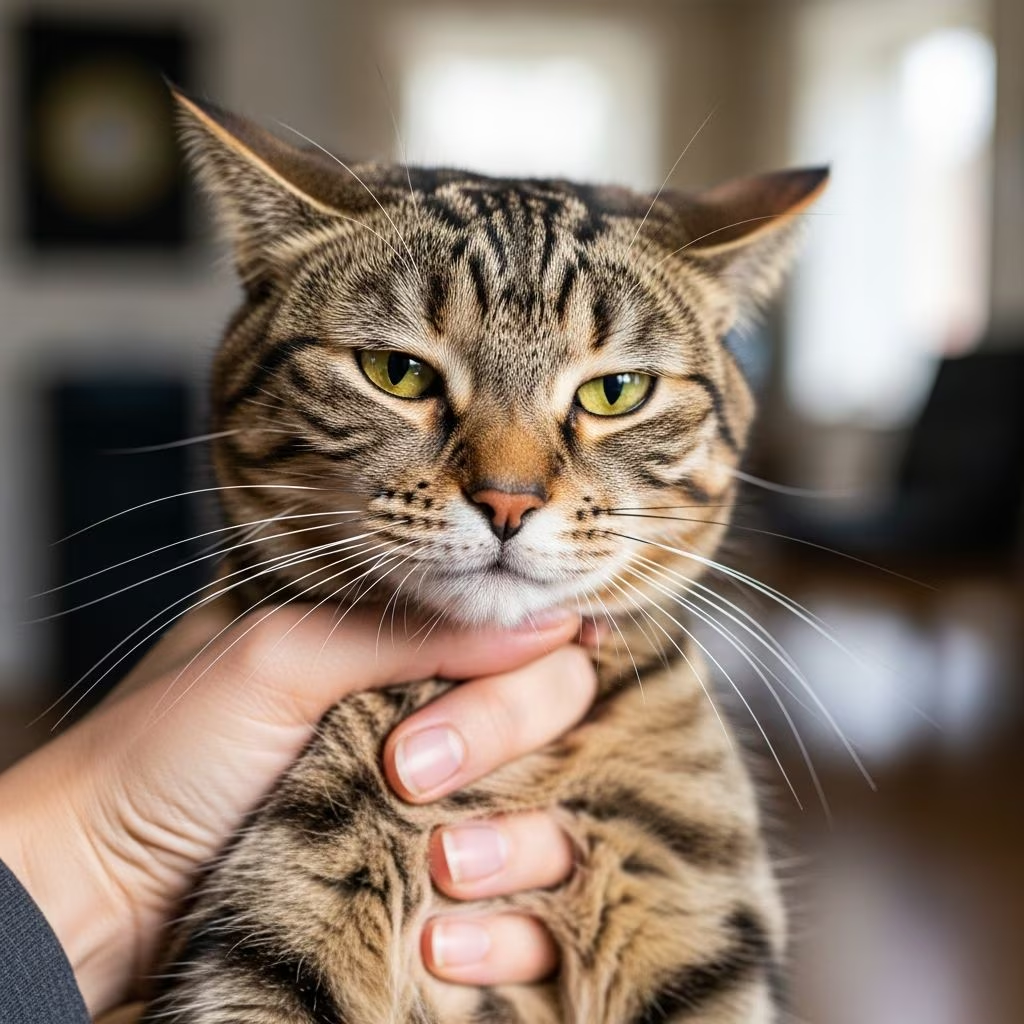
Many cat owners dream of scooping up their furry companion for a cuddle, only to be met with squirms, scratches, or a swift escape. If you’re wondering why does my cat hate being held, you’re not alone. Cats are independent creatures by nature, and being picked up isn’t always their preferred form of affection. This comprehensive guide dives into the biological, psychological, and environmental reasons behind this common behavior, drawing from expert insights on feline behavior. We’ll cover everything from instinctual aversions to practical solutions, helping you understand your cat better and foster a stronger bond.
It’s Not Natural for Cats
Cats in the wild rarely pick each other up as a greeting or social gesture. Instead, they communicate through rubbing, trilling, head-butting, and scent marking. Being lifted off the ground by a much larger human can mimic the sensation of being captured by a predator, triggering an innate fight-or-flight response. This natural instinct explains why even well-socialized cats may tense up or wriggle when held.
For domestic cats, holding disrupts their sense of control. They prefer to choose their own perches—climbing shelves or laps on their terms—rather than being suspended in mid-air. Research on feline ethology supports this: cats evolved as solitary hunters who value autonomy over prolonged physical contact.
Lack of Early Socialization
The critical socialization window for kittens occurs between 2 and 7 weeks of age. During this period, gentle handling by humans teaches them that being picked up is safe and enjoyable. Cats exposed to regular, positive touch grow into adults who tolerate or even seek out cuddles.
Conversely, kittens from feral litters or those not handled much during this phase often view human arms as unfamiliar territory. Adult rescue cats may have missed this window entirely, leading to lifelong discomfort. Signs of poor socialization include hiding from hands or freezing when approached. To gauge your cat’s background, observe if they relax during petting but bolt when lifted—the distinction highlights socialization gaps.
Feeling Restrained and Loss of Control
Cats cherish their independence. When held, their paws dangle helplessly, and escape routes vanish. This restraint feels confining, akin to pacing in a cage for wild felines. Even affectionate hugs limit their ability to scan for threats or jump away from sudden noises.
- Squirming or paddling paws indicate a desire to regain footing.
- A low, flicking tail signals irritation or anxiety.
- Leaning away or extending claws shows an urge to flee.
Over time, repeated restraint can erode trust, making future attempts more stressful. Opt for positions where their hind legs have support, like tucking them against your chest with paws grounded.
Fear and Anxiety
Some cats are naturally more timid, startling at loud sounds, sudden movements, or unfamiliar people. For these scaredy-cats, being scooped up amplifies vulnerability—elevated off the ground with no quick exit.
Anxiety from past events, like fireworks or vet visits, can generalize to handling. Anxious cats may retreat to isolation rather than submit to embraces, preferring solitude to cope. If your cat hides during thunderstorms or guests arrive, fear likely plays a role in their aversion to being held.
Pain or Health Issues
A sudden change in behavior—your lap-loving cat now hissing when picked up—warrants a vet check. Underlying conditions like arthritis, dental pain, abscesses, or injuries make handling excruciating. Cats are masters at masking pain, so behavioral shifts are key red flags.
Common culprits include:
- Joint problems: Older cats with osteoarthritis resist lifts due to hip or back discomfort.
- Skin issues: Fleas, allergies, or wounds heighten sensitivity to touch.
- Internal ailments: Urinary tract infections or gastrointestinal distress cause abdominal tenderness.
Consult a veterinarian promptly; early detection prevents escalation. Pet insurance can ease financial worries during diagnostics.
Previous Negative Experiences or Trauma
Cats form strong associations. If past handling involved drops, rough grabs, nail trims, or baths, your arms become linked to negativity—regardless of your gentle approach.
Adopted adults may carry baggage from abusive homes, feral life, or overzealous children squeezing too tightly. Trauma manifests as flinching, dilated pupils, or aggression during pick-ups. Rebuilding trust requires patience, starting with low-pressure interactions like feeding by hand.
Breed Tendencies
Not all cats are created equal. Active, independent breeds like Bengals, Abyssinians, and Savannahs prioritize exploration over snuggling. These high-energy felines view holding as an interruption to their adventures.
| Breed | Affection Style | Holding Tolerance |
|---|---|---|
| Bengal | Playful, energetic | Low – Prefers action over laps |
| Abyssinian | Curious, vocal | Moderate – Enjoys short sessions |
| Ragdoll | Relaxed, docile | High – Famous for going limp |
| Siamese | Social, demanding | High – Seeks attention |
Conversely, breeds like Ragdolls and Maine Coons often melt into holds, thanks to selective breeding for docility.
Signs Your Cat Dislikes Being Held
Recognize these cues to avoid forcing interactions:
- Rapid blinking or ear flattening.
- Whiskers pulled back tightly.
- Vocal protests like growling or meowing plaintively.
- Body rigidity followed by explosive escape.
Respecting these signals prevents scratches and builds mutual respect.
How to Get Your Cat Comfortable Being Held
Patience and positive reinforcement work wonders. Start slow:
- Build positive associations: Offer treats or toys right before and after short lifts.
- Use proper technique: Support chest with one hand, rump with the other; keep them close to your body.
- Short sessions: Begin with 5 seconds, gradually increase as they relax.
- Play first: Tire them out with wand toys to reduce excess energy.
- Grooming desensitization: Mimic holding with brushing to normalize touch.
- Clicker training: Mark calm behavior during holds with clicks and rewards.
For feral or traumatized cats, consult a certified feline behaviorist. Consistency across household members ensures progress.
Alternative Ways to Bond with Your Cat
If holding remains off-limits, try these:
- Interactive play with laser pointers or feather wands.
- Gentle chin scratches or cheek rubs—prime scent glands.
- Parallel lounging: Sit nearby while they perch close.
- Food puzzles for mental stimulation and trust-building.
Many cats express love through slow blinks, kneading, or bringing ‘gifts’—appreciate their unique language.
Frequently Asked Questions (FAQs)
Why does my kitten hate being held but my adult cat loves it?
Kittens undergo socialization; poor early handling leads to aversion. Adults socialized properly often enjoy it.
Can I train an older cat to like being picked up?
Yes, with gradual desensitization, treats, and proper technique. Progress varies by individual history.
Is it bad if my cat never lets me hold them?
No—respect their boundaries. Bond through play and petting instead for a happy relationship.
What if my cat suddenly hates being held?
Check for pain or illness; sudden changes signal health issues. See a vet immediately.
Are there breeds that naturally love being held?
Yes, Ragdolls, British Shorthairs, and Persians often tolerate or seek cuddles due to temperament.
References
- Why Cats Dislike Being Held and What You Can Do About This — Pet Insurance Australia. 2023. https://www.petinsuranceaustralia.com.au/why-cats-dislike-being-held-and-what-you-can-do-about-this/
- Why Does My Cat Not Like To Be Held? — Cats.com. 2024-01-15. https://cats.com/why-does-my-cat-not-like-to-be-held
- Why Doesn’t My Cat Like To Be Held Or Picked Up? 6 Vet-Reviewed Reasons — Catster (Veterinary Partner). 2024-05-20. https://www.catster.com/cat-behavior/why-cat-doesnt-want-to-be-held/



