

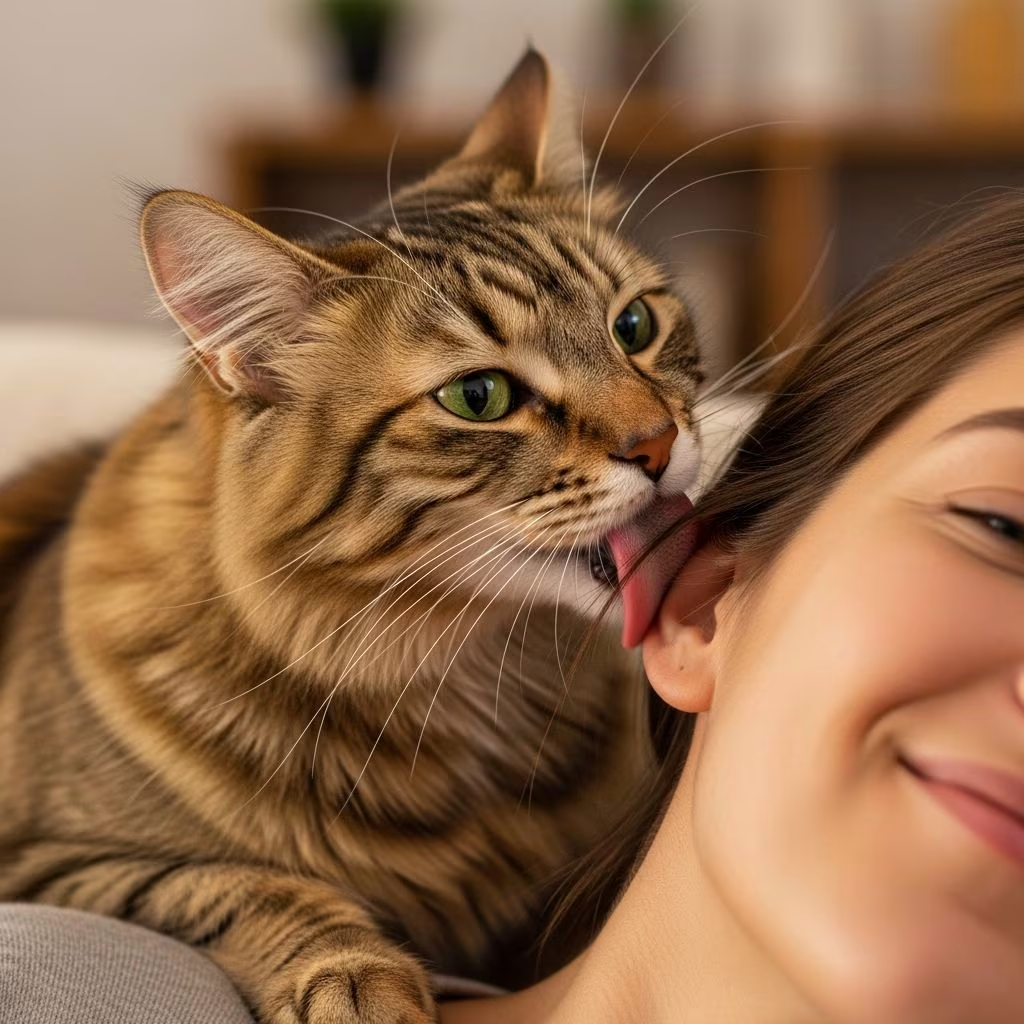
Your cat’s tongue on your skin might feel surprising or even ticklish, but it’s a profound sign of trust and connection. Cats groom humans as part of their natural social behaviors, mirroring how they interact with fellow felines. This article delves into the science-backed reasons behind this habit, drawing from veterinary and behavioral experts to help you understand your pet’s intentions.
What Does It Mean When a Cat Grooms You?
When a cat grooms you, it’s extending its intimate social rituals to include you in its ‘family.’ Known as allogrooming in scientific terms, this behavior originates from kittenhood, where mothers lick to clean and bond with their young. Adult cats reserve this for trusted companions, signaling you’re not a threat but a valued member of their social group.
Grooming serves multiple purposes: it reinforces bonds, spreads scents for recognition, and even provides practical cleaning assistance. Far from random, this act reflects your cat’s emotional state and relationship with you. Understanding it can deepen your bond and alert you to potential issues like stress.
Reasons Why Your Cat Grooms You
Cats don’t lick indiscriminately. Here are the primary motivations, supported by feline behavior research:
- Affection and Love: Licking is a primary way cats express fondness, akin to a feline kiss. It mimics mother-kitten grooming, strengthening emotional ties. Other affection signs include purring, head-butting, and slow blinks.
- Bonding and Social Integration: By grooming you, your cat includes you in its colony, sharing scents via saliva to mark you as ‘family.’ This allogrooming builds trust and group identity.
- Dominance or Possession: Sometimes, grooming asserts ownership. Cats may lick to overwrite your scent with theirs, declaring ‘you’re mine’. This territorial marking is common in multi-cat homes or with confident felines.
- Inviting Play or Attention: A lick followed by pawing or nipping often signals playtime. Watch for forward-pointing ears, dilated pupils, and an upright tail.
- Comfort and Relaxation: Grooming indicates your cat feels safe and content in your presence, a sign of deep relaxation.
- Stress or Anxiety Relief: Excessive licking can be a self-soothing displacement behavior during stress. If grooming increases suddenly, consult a vet for underlying issues.
- Cleaning Help: Cats may target hard-to-reach spots on you, just as they do for each other, like under the chin.
Cat Grooming Behavior Explained
Cats spend up to 50% of their waking hours grooming themselves, a habit learned from mothers around two weeks old. This self-maintenance distributes sebum for shiny fur, removes dirt and parasites, regulates body temperature via saliva evaporation, and provides calming endorphins during stress.
Social grooming (allogrooming) extends this to others, focusing on head, neck, and face areas rich in scent glands. In wild cats like lions, it establishes hierarchy and pack scents. Domestic cats transfer this to humans, viewing owners as surrogate family.
| Self-Grooming Purpose | Social Grooming Purpose |
|---|---|
| Maintains skin health via sebum | Strengthens bonds and shares scents |
| Removes parasites and mats | Signals trust and acceptance |
| Cools body on hot days | Reduces tension, asserts dominance |
| Soothes stress | Invites play or attention |
Is It Normal for Cats to Groom Humans?
Absolutely—it’s a compliment! Cats only groom those they trust deeply, not competitors or strangers. In multi-pet homes, seeing cats groom each other or you signifies harmony. However, monitor for over-grooming, which might indicate allergies, pain, or anxiety prompting excessive licking.
Mothers groom kittens instinctively post-birth to clean and stimulate elimination, a behavior persisting in adults. Long-haired cats or seniors may groom humans more for mutual aid, as arthritis limits their reach.
When Cat Grooming Becomes a Concern
While endearing, context matters. Gentle licks are positive, but rough grooming with biting or excessive frequency warrants attention:
- Over-Grooming: Leads to bald patches; often stress, fleas, or allergies.
- Aggressive Licking: Flattened ears, flicking tail signal irritation—stop petting.
- Sudden Changes: Pain (e.g., arthritis) or illness alters habits; vet check recommended.
If your cat licks then grooms itself intensely, it may be erasing your ‘foreign’ scent. Provide enrichment like toys or pheromones to ease anxiety.
How to Respond When Your Cat Grooms You
Reciprocate gently to reinforce the bond:
- Pet softly on head/neck, mimicking their licks.
- Speak calmly; purr back if possible.
- Avoid rough play if transitioning to nips.
- Gently redirect if too rough: offer a toy.
- Brush them afterward for mutual grooming session.
Never punish licking—it’s affectionate. If skin irritates, wash gently post-session.
Why Do Cats Groom Each Other?
Inter-cat grooming mirrors human interactions: bonding littermates, dominant lions asserting rank, or mothers nurturing. It communicates acceptance into the colony, especially post-adoption. Hard-to-reach spots get mutual help, fostering reciprocity.
Frequently Asked Questions (FAQs)
Why does my cat lick my face?
Cats target faces for scent glands; it’s ultimate affection and marking.
Should I let my cat groom me?
Yes, in moderation—it’s bonding. Trim claws if rough; stop if irritating.
What if my cat licks then bites?
Play invitation or overstimulation. Watch body language; provide space.
Does grooming mean my cat is stressed?
Normal amounts no; excessive yes. Check for changes and vet if needed.
Why do some cats groom more than others?
Maternal history, personality, or breed (e.g., social breeds like Ragdolls).
Enhancing Your Bond Through Grooming
Embrace this quirk—it’s your cat’s love language. Regular brushing sessions simulate grooming, reducing hairballs and building trust. Observe patterns: timing, body language reveal emotions. With patience, you’ll decode their world, fostering a happier home.
In summary, your cat grooms you because you’re family. From affection to territory, each lick weaves your story together. Cherish it, respond mindfully, and consult pros if concerns arise.
References
- Why Does My Cat Wash (Groom) Me? — WebMD. 2023-05-15. https://www.webmd.com/pets/cats/features/why-does-my-cat-wash-groom-me
- 6 Reasons Why Cats Groom Each Other — Heart + Paw. 2024-02-10. https://heartandpaw.com/pet-parent-resources/6-reasons-cats-groom-each-other
- Feline Grooming Behavior — TVMF (Today’s Veterinary Practice). 2022-11-08. https://www.tvmf.org/articles/grooming-behavior-of-cats/
- The (very very weird) reasons cat lick people — BBC Science Focus Magazine. 2023-07-20. https://www.sciencefocus.com/nature/why-do-cats-lick-people
- Why Does My Cat Lick Me? 7 Common Reasons — PetMD. 2024-09-12. https://www.petmd.com/cat/behavior/why-does-my-cat-lick-me



