

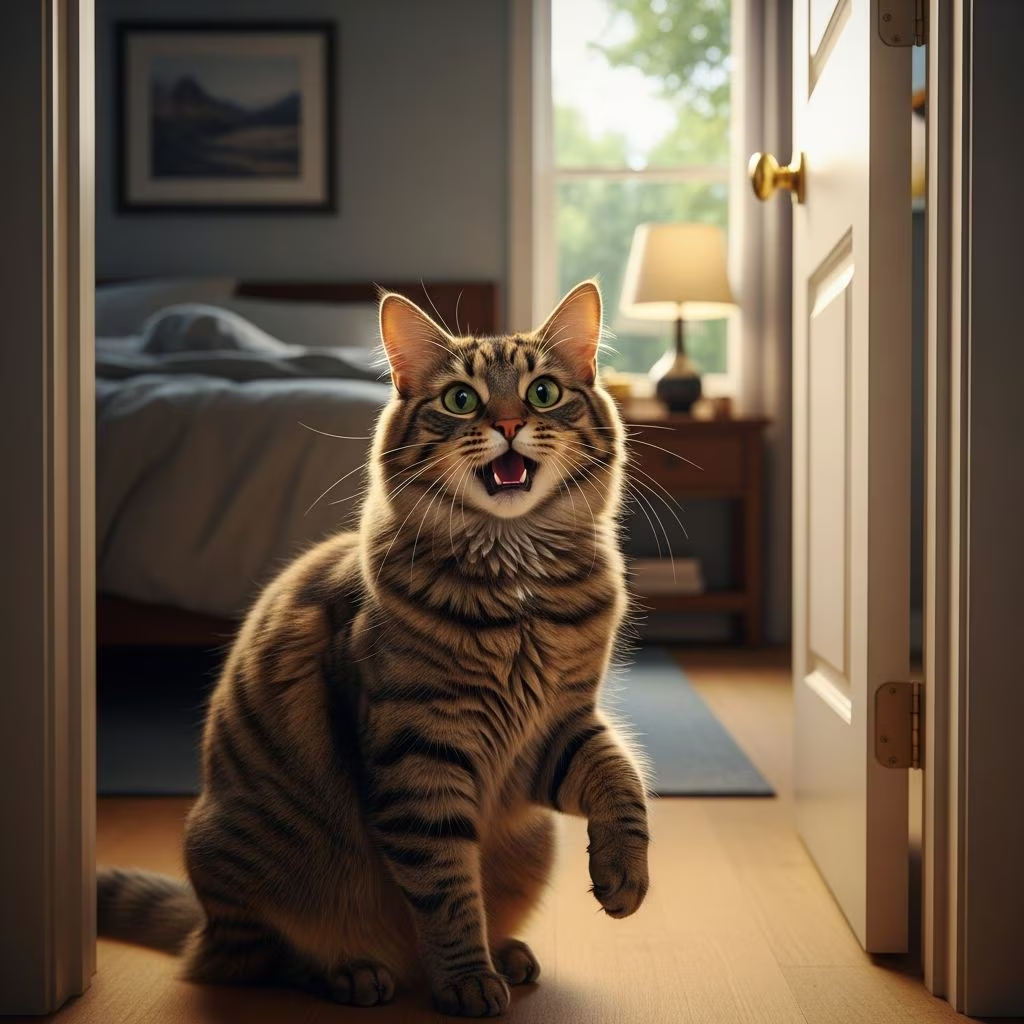
Cats communicate through a variety of vocalizations, and meowing from another room is a common yet puzzling behavior for many pet owners. This action often serves as a deliberate signal, drawing you to investigate. While it can stem from benign needs like hunger or attention, it may also indicate stress, health problems, or age-related issues. Understanding the context helps you respond appropriately and ensure your cat’s well-being.
The 9 Reasons Why Your Cat Goes Into Another Room and Meows
Cats are intelligent creatures that use meowing primarily to communicate with humans, not other cats. When they retreat to another room to vocalize, they’re strategically positioning themselves to convey a specific message. Below, we break down the nine most common reasons, supported by veterinary insights.
1. Asking for Attention
The most frequent cause is a bid for companionship. Cats learn that meowing out of sight prompts you to seek them out, reinforcing the behavior. This is especially true for social cats left alone during the day. Signs include increased vocalization when you’re nearby but not engaging. To address it, dedicate daily playtime using interactive toys like feather wands to fulfill their social needs without encouraging excessive meowing.
2. Hunger or Thirst
If the meowing occurs near the kitchen or feeding area, your cat is likely reminding you it’s mealtime. Cats associate certain rooms with food and water, and empty bowls trigger protests. Thirst can be subtle; cats prefer fresh, running water, so stagnant bowls may prompt complaints. Solution: Install an automatic feeder and a pet water fountain to maintain freshness and schedule meals, reducing hunger-related meows.
- Check bowls immediately upon hearing meows in feeding zones.
- Opt for timed dispensers for consistent portions.
- Monitor intake to rule out overeating or health issues.
3. Bathroom Needs
Cats are meticulous about cleanliness and will meow near a dirty litter box to alert you. A soiled box leads to avoidance, accidents, or vocal dissatisfaction. Fastidious felines may vocalize post-use if uncomfortable. Keep boxes scooped daily and fully changed weekly. Multiple cats require one box per cat plus one extra.
Watch for urinary issues: straining, blood in urine, or frequent attempts signal problems like infections. Prompt vet visits prevent escalation.
4. Illness or Pain
Sudden or excessive meowing, especially with distress (yowling), warrants concern. Health issues like hyperthyroidism, kidney disease, or cognitive decline in seniors cause vocalization. Aging cats may meow due to confusion or mobility pain.
| Symptom | Possible Condition | Action |
|---|---|---|
| Changes in eating/drinking | Kidney disease, diabetes | Vet bloodwork |
| Straining to urinate | Urinary tract infection | Immediate vet exam |
| Lethargy, hiding | Pain or illness | Observe and consult vet |
| Blood in urine/stool | Infection or obstruction | Emergency care |
5. Stress
Cats dislike change. New pets, babies, moves, or routine shifts cause anxiety, leading to room-to-room meowing. Stressed cats may overgroom, hide, or act destructively. Create safe spaces with pheromone diffusers like Feliway. Gradual introductions ease transitions.
- Signs: Tense posture, dilated pupils, reduced appetite.
- Solutions: Consistent routines, vertical spaces, calming treats.
6. Personality
Breeds like Siamese, Oriental Shorthair, and Bengal are notoriously vocal. These “talkers” continue conversations from afar, meowing for no urgent reason. If consistent and cheerful, it’s breed trait, not issue. Engage verbally to satisfy without over-reinforcing.
7. Calling for Help
Injury or entrapment prompts urgent meows. Kittens or agile adults may get stuck on shelves or injure paws during play. Limp, wounds, or sudden onset require checking. Always investigate unfamiliar cries.
8. Aging
Senior cats (11+ years) meow more from cognitive dysfunction (feline Alzheimer’s), vision/hearing loss, or arthritis. Disorientation leads to lost-room vocalizations. Vet checks for thyroid issues or pain management. Supplements like omega-3s support brain health.
9. Mating or Heat
Unspayed females yowl loudly during estrus, often retreating to secluded spots. Intact males roam and vocalize. Spaying/neutering eliminates this, preventing health risks like cancers. Hormonal meows peak nocturnally.
Why Do Cats Meow at All?
Adult cats meow rarely to each other, reserving it for humans. Kittens mew for maternal attention; adults adapt this for us. Vocal range conveys urgency: soft chirps for greetings, loud yowls for distress. Location matters—another room amplifies the call.
When Should I Be Concerned About My Cat’s Meowing?
Normal: Predictable, context-specific, responsive to needs. Concerning: Sudden increase, nighttime persistence, paired with appetite loss, hiding, or aggression. Track patterns: time, location, tone. Persistent cases need vet exclusion of medical causes first.
- Sudden changes: Always vet check.
- Night meowing: Rule out hyperthyroidism, hunger.
- Post-change: Stress management.
How Can I Get My Cat to Stop Meowing in Another Room?
Identify trigger first. Ignore attention-seeking (don’t reward), fulfill needs proactively. Enrich environment: puzzle feeders, scratching posts, window perches. For seniors, night lights aid navigation. Consistency trains appropriate communication.
| Reason | Solution | Expected Outcome |
|---|---|---|
| Attention | Scheduled play | Reduced demands |
| Hunger | Auto-feeder | Scheduled satisfaction |
| Litter | Daily scooping | Clean usage |
| Stress | Pheromones | Calmer behavior |
Frequently Asked Questions (FAQs)
Why does my cat meow at night from another room?
Night meowing often ties to hunger, aging confusion, or heat cycles. Feed a bedtime snack, use motion lights, and consult vet for seniors.
Is excessive meowing a sign of pain?
Yes, especially if sudden or with other symptoms like limping or appetite changes. Painful conditions like arthritis prompt calls for help.
Should I ignore a cat meowing in another room?
Only if attention-seeking; check needs first. Ignoring medical cries risks health. Observe context.
Do all cat breeds meow the same way?
No, vocal breeds like Siamese meow more conversationally. Personality influences volume and frequency.
When to see a vet for meowing?
If new, persistent, or with symptoms like weight loss, thirst increase, or litter avoidance. Early detection saves lives.
This behavior, while quirky, offers insight into your cat’s world. By addressing root causes, you strengthen your bond and promote health. Monitor changes diligently for a happy feline companion.
References
- Why My Cat Goes Into Another Room and Meows? 9 Vet-Approved Reasons — Hepper. 2023. https://articles.hepper.com/why-cat-goes-into-another-room-and-meows/
- Meowing and Yowling — ASPCA. 2024-01-14. https://www.aspca.org/pet-care/cat-care/common-cat-behavior-issues/meowing-and-yowling
- Why Is My Cat Meowing So Much? — PetMD. 2024. https://www.petmd.com/cat/behavior/cat-meowing



