

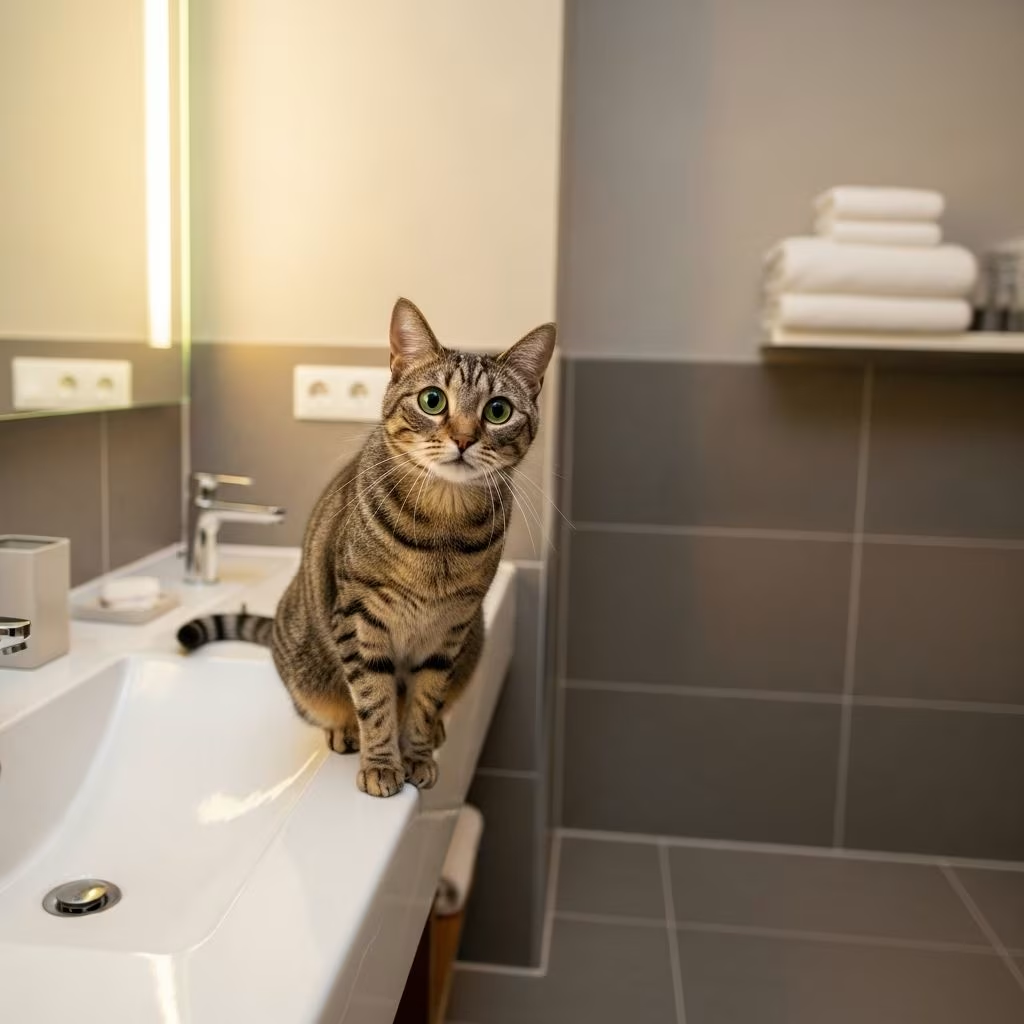
Why Does My Cat Follow Me to the Bathroom?
If you’ve ever wondered why your feline companion insists on accompanying you to the bathroom, you’re not alone. This quirky behavior is one of the most common questions cat owners ask, and the answer reveals fascinating insights into how cats think, bond, and perceive the world around them. Rather than being a sign of neediness or behavioral problems, your cat’s bathroom visits are typically a normal expression of their deep attachment to you and their natural curiosity about your daily routines.
Understanding Feline Social Bonding
Contrary to popular belief, cats are highly social creatures with complex emotional needs. When your cat follows you into the bathroom, they’re demonstrating a profound level of trust and affection. Cats form strong bonds with their owners, and bathroom time represents a unique opportunity for them to enjoy your undivided attention in a relatively confined space where you’re stationary and less distracted by phones, computers, or household chores.
Your cat recognizes that during bathroom visits, you’re typically seated and unable to multitask, which makes this an ideal window for interaction. Some cats will sit on your lap, weave between your legs, or position themselves nearby, all while purring contentedly. This behavior is your cat’s way of saying, “I feel safest and happiest when I’m close to you.” It’s a privilege that indicates your cat has chosen you as their favorite person and trusted companion.
Territorial Instincts and Protective Behavior
One of the most intriguing reasons cats follow their owners to the bathroom relates to their deep-rooted territorial instincts. In your cat’s mind, you’re not just a pet owner—you’re a vital part of their territory and a resource worth protecting. Cats view their owners as providers of food, shelter, affection, and security, making you one of their most important possessions.
When your cat accompanies you into the bathroom, they’re essentially conducting a protective mission. From their perspective, you’re entering a vulnerable situation, and they feel a special responsibility to ensure your safety. Additionally, cats are aware that they themselves are prey in the natural world. By following you into an enclosed space, your cat is securing their own protection as well. Your size and presence make you a formidable protector in their eyes, and staying close to you provides them with a sense of security.
The Sensory Appeal of Bathroom Environments
Bathrooms are remarkably stimulating environments for cats, offering a unique sensory experience that few other rooms in the house can match. The cool tile floors, smooth surfaces, unusual sounds, and distinctive smells create an intriguing playground for feline exploration. Many cats are particularly fascinated by the sounds of running water, dripping faucets, and the unique acoustics that bathrooms provide.
Some cats will drink directly from the tap, pounce on the bathmat, or investigate the contents of drawers and cabinets. The combination of visual, auditory, and olfactory stimulation makes the bathroom an exciting destination for curious felines. Even if your cat doesn’t directly interact with bathroom fixtures, they appreciate being in a space where these intriguing elements are present. This environmental enrichment, combined with your presence, makes bathroom visits genuinely enjoyable for your cat.
Routine and Predictability
Cats are creatures of habit who thrive on routine and predictability. Your regular bathroom visits are a fixed point in your daily schedule, and your cat likely views these moments as an important ritual in your shared life together. By consistently following you, your cat reinforces this familiar pattern and strengthens the bonding experience.
Cats develop expectations around their owners’ daily activities, and bathroom breaks are no exception. Your cat may wait near the bathroom door or begin walking toward it at the times they know you typically go. This demonstrates that your cat is paying close attention to your routines and has integrated your habits into their own daily schedule. Following you becomes a comforting ritual that your cat looks forward to, providing both of you with consistent quality time.
Attention-Seeking and Affection
One of the most straightforward reasons cats follow their owners to the bathroom is simply to seek attention and affection. Cats that are comfortable with their owners will actively pursue opportunities to be near them and receive physical contact. During bathroom time, you’re essentially a captive audience—unable to leave, not busy with distractions, and available for petting and interaction.
Many cats will demand attention by meowing, rubbing against your legs, jumping onto your lap, or simply sitting nearby watching you. This attention-seeking behavior is normal and healthy, reflecting your cat’s desire for social connection. The bathroom setting allows your cat to monopolize your time and energy in a way that few other moments throughout the day can offer.
Separation Anxiety and Attachment Disorders
While occasional bathroom following is completely normal, excessive or obsessive following behavior might indicate separation anxiety or an unusually strong attachment. Some cats develop intense dependency on their owners and experience genuine distress when separated, even briefly. These cats may follow their owners from room to room throughout the day, including to the bathroom, and may become visibly anxious if doors are closed.
Signs of separation anxiety include excessive vocalization when you’re absent, destructive behavior, litter box issues, or attempts to prevent you from leaving. If your cat exhibits these behaviors in addition to constant bathroom following, it’s worth consulting with your veterinarian or a certified animal behaviorist. There are strategies and sometimes medical interventions that can help reduce anxiety and create a more balanced relationship.
Privacy Perspectives: Why Cats Want Bathroom Company While Needing Privacy Themselves
Interestingly, while cats insist on accompanying their owners to the bathroom, they strongly prefer privacy when using their own litter boxes. This isn’t contradictory behavior—it reveals important truths about feline psychology. Cats feel vulnerable during elimination, which is why they seek enclosed, secluded spaces for their litter boxes.
Your cat doesn’t extend the same privacy expectations to you because, from their perspective, you don’t need the same level of protection. Your size, intelligence, and role as a protector make you appear invulnerable in your cat’s eyes. Meanwhile, by remaining close to you during your bathroom time, your cat fulfills their own security needs while maintaining their protective vigil. It’s a fascinating example of how differently cats perceive human and feline vulnerabilities.
Is This Behavior Normal?
The short answer is absolutely yes. Bathroom following is an extremely common feline behavior reported by cat owners worldwide. Unless your cat is showing signs of distress, excessive clinginess, or anxiety-related behaviors, there’s no reason to be concerned. In fact, this behavior often indicates a healthy, strong bond between you and your cat.
Occasional following that results in your cat sitting nearby or on your lap is completely benign and generally harmless. Many cat owners eventually come to appreciate these moments as special bonding time with their feline companions. The privacy you sacrifice is offset by the deeper understanding of your cat’s affection and trust that these moments provide.
When to Be Concerned
While bathroom following is normal, certain patterns warrant attention. If your cat becomes distressed when you close the bathroom door, scratches at the door, or meows excessively when separated from you, these may be signs of separation anxiety. Similarly, if your cat follows you obsessively throughout the entire day and shows visible signs of panic when you’re out of sight, professional guidance may be helpful.
Additionally, sudden changes in bathroom-following behavior—such as a previously independent cat suddenly becoming clingy—might indicate an underlying health issue or emotional change. Consulting with your veterinarian can rule out medical problems and provide recommendations for behavioral support if needed.
Making the Most of Bathroom Bonding
Rather than viewing your cat’s bathroom visits as an intrusion on privacy, consider embracing them as opportunities to deepen your bond. These moments offer consistent, undivided interaction time that many busy pet owners struggle to find elsewhere in their schedules. Use this time to pet your cat, talk to them, or simply enjoy their company.
You can make bathroom time even more enriching by keeping interactive toys nearby, offering treats, or setting up a comfortable spot where your cat can sit or relax. Some cat owners place a mat or bed in the bathroom specifically for their cat’s use during these visits. This transforms bathroom time into a shared ritual that benefits both of you emotionally.
Understanding What Your Cat’s Behavior Reveals
Your cat’s decision to follow you to the bathroom reveals several important truths about your relationship. It demonstrates that your cat trusts you completely and feels secure in your presence. It shows that your cat has integrated you into their daily routine and actively seeks your companionship. Most importantly, it indicates that you’ve successfully built a meaningful bond with a creature that, by nature, is selective about their social connections.
Frequently Asked Questions
Q: Why does my cat follow me into the bathroom every single time I go?
A: Your cat likely follows you consistently because they’ve learned that bathroom time equals quality time with you. This behavior may also stem from strong social bonding, territorial instincts, curiosity about your routine, or a combination of these factors. Consistent following is normal and indicates a healthy attachment.
Q: Is it normal for cats to want to spend time with their owners in the bathroom?
A: Absolutely. This behavior is extremely common among cats and generally indicates a positive relationship. Cats are social creatures that form strong bonds with their owners, and bathroom visits represent prime opportunities for undivided attention and closeness.
Q: Can bathroom following indicate separation anxiety or behavioral issues?
A: While occasional bathroom following is completely normal, persistent, obsessive following combined with signs of distress, excessive vocalization, or panic when separated might suggest separation anxiety. If you’re concerned about your cat’s behavior, consult with a veterinarian or certified animal behaviorist who can assess the situation and recommend appropriate interventions.
Q: Why does my cat sit next to me when I’m on the toilet?
A: Your cat sits beside you because they feel secure with you, are curious about your bathroom activities, and may be engaging in reciprocal protective behavior. From your cat’s perspective, sitting near you during a vulnerable moment is an expression of loyalty and affection.
Q: Is my cat protecting me while I’m in the bathroom?
A: Yes, cats may genuinely believe they’re providing protection during bathroom time. Due to instinctual bonding behavior and territorial vigilance, your cat views bathroom visits as moments when you need their watchful presence and safekeeping.
Q: Why does my cat seem clingy when I’m on the toilet specifically?
A: Cats are drawn to their owners in the bathroom because it’s a quiet, private, safe space where they can demand undivided attention. The stationary nature of toilet time makes it ideal for cats seeking close contact and interaction.
Q: What if my cat tries to open the bathroom door or paws at it?
A: If your cat actively tries to open the door or paws at it persistently, this might indicate separation anxiety rather than normal curiosity. While minor door-pacing is normal, excessive door scratching or vocalization warrants evaluation by a veterinary professional.
Q: How can I tell if my cat has chosen me as their favorite person?
A: Cats show they’ve chosen you as their favorite through multiple behaviors including following you from room to room, slow blinks directed at you, bringing you gifts, purring frequently in your presence, sitting on your lap, sleeping near or on you, and seeking you out for affection and comfort.
References
- International Cat Care — AAFCO and Feline Behavior Guidelines. 2024. https://www.icatcare.org/
- American Veterinary Medical Association (AVMA) – Pet Behavior Resources — AVMA. 2024. https://www.avma.org/resources-tools/animal-health-and-welfare/animal-behavior
- Cornell University College of Veterinary Medicine – Feline Behavior — Cornell University. 2023. https://www.vet.cornell.edu/departments-centers-and-institutes/department-clinical-sciences/animal-behavior-clinics
- The Domestic Cat: The Biology of its Behavior — Dennis C. Turner and Patrick Bateson (Editors). Cambridge University Press. 2000. https://www.cambridge.org/
- Journal of Feline Medicine and Surgery — ISFM and AAFP. 2024. https://journals.sagepub.com/home/jfm



