

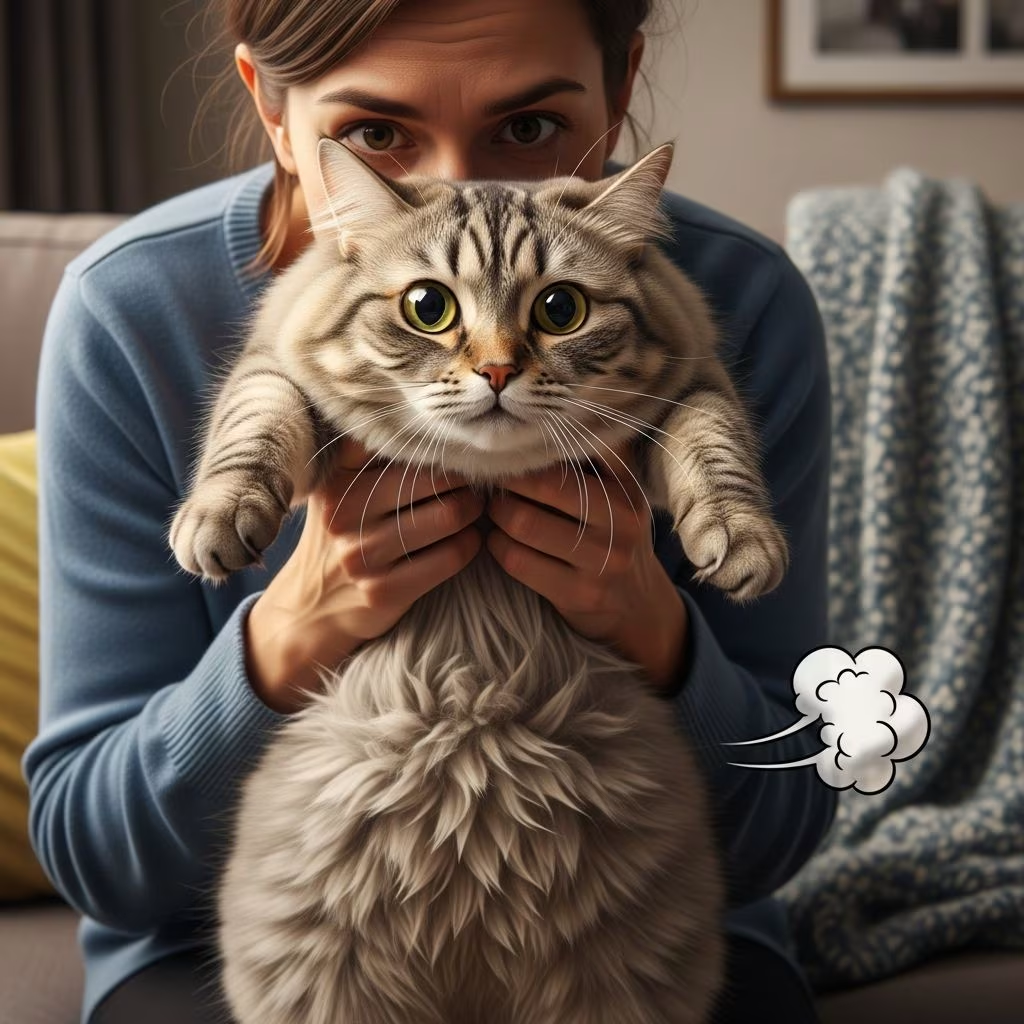
It’s a common, often embarrassing experience for cat owners: you scoop up your furry friend for a cuddle, and suddenly, a little pfft escapes. Cat flatulence when picked up can seem puzzling, but it’s frequently tied to simple factors like trapped air, diet, or handling technique. While occasional gas is normal, consistent farting may signal digestive discomfort or anxiety, warranting closer observation.
This phenomenon affects many cats, as lifting compresses the abdomen, releasing built-up gas from the intestines. Understanding the triggers helps you address it effectively, improving your cat’s comfort and your bonding time.
Is It Normal for Cats to Fart When Picked Up?
Yes, many cats release gas when lifted, often as a harmless reflex. According to veterinary insights, this occurs because picking up a cat applies gentle pressure to the belly, expelling trapped air or gas accumulated during digestion. It’s akin to how humans might burp or fart under similar abdominal compression.
However, if farting happens every single time or accompanies other symptoms like diarrhea, vomiting, or lethargy, it could indicate an issue. Normal cat gas is occasional and odorless; excessive or foul-smelling flatulence merits attention.
Common Causes of Cat Farting When Picked Up
Several factors contribute to this quirky behavior. Here’s a breakdown:
- Trapped Air from Swallowing: Cats gulp air while eating quickly, grooming, or playing, leading to aerophagia. When lifted, this air shifts and escapes as a fart.
- Abdominal Pressure: Improper lifting techniques squeeze the gut, forcing out gas. Holding your cat under the belly or too tightly exacerbates this.
- Dietary Indiscretions: High-fiber foods, dairy, or sudden diet switches ferment in the gut, producing gas that’s released on handling.
- Anxiety or Reflex: Some cats tense up when picked up, triggering an involuntary gas release as a stress response.
These causes are interconnected; for instance, a nervous cat might eat faster, swallowing more air.
How Diet Affects Cat Flatulence
Diet is a primary culprit in feline gas. Cats are obligate carnivores, thriving on high-protein, low-carb meals. Inappropriate foods disrupt gut bacteria, leading to fermentation and flatulence.
| Gas-Producing Foods | Why They Cause Farts | Alternatives |
|---|---|---|
| Dairy (milk, cheese) | Lactose intolerance; cats lack lactase enzyme post-kittenhood | Lactose-free cat milk |
| High-fiber kibble | Ferments in gut, producing hydrogen and methane | Low-fiber, meat-based formulas |
| Soy or grain-heavy foods | Allergies or poor digestion | Grain-free, novel protein diets |
| Spoiled or stale food | Bacterial overgrowth | Fresh, high-quality canned/wet food |
Abrupt diet changes without a 7-10 day transition can shock the system, spiking gas. Even subtle formula tweaks by manufacturers may trigger it in sensitive cats.
Medical Reasons for Excessive Cat Gas
Beyond benign causes, persistent farting when picked up may stem from health problems. Key concerns include:
- Food Allergies or Intolerances: Reactions to proteins like beef or fish cause GI upset and gas.
- Parasites (Worms): Intestinal worms irritate the gut, increasing gas production. Diagnosed via fecal exam.
- Bacterial Imbalance (SIBO): Small intestinal bacterial overgrowth leads to malabsorption and flatulence.
- Inflammatory Bowel Disease (IBD): Chronic inflammation ferments food inefficiently.
- Infections or Ulcers: Bacterial/viral issues or ulcers disrupt digestion.
Dehydration worsens these by slowing gut motility, trapping gas. Environmental allergies (fleas, pollen) can indirectly cause digestive woes.
Signs Your Cat’s Farting Needs Vet Attention
Not all gas requires a trip to the vet, but watch for red flags:
- Farts are frequent, loud, or extremely smelly.
- Accompanied by diarrhea, vomiting, weight loss, or appetite changes.
- Visible bloating, pain when touched, or lethargy.
- Sudden onset after diet change or known exposure to toxins.
Early intervention prevents complications like malnutrition from malabsorption.
Tips to Reduce Your Cat’s Gas When Picking Up
Simple adjustments often resolve the issue:
- Improve Handling Technique: Support the chest and hindquarters fully; avoid belly squeezing. Lift slowly to minimize surprise.
- Slow Down Eating: Use puzzle feeders or smaller meals to curb air swallowing.
- Diet Tweaks: Switch to vet-recommended low-gas formulas gradually. Prioritize wet food for hydration.
- Probiotics: Supplements with beneficial bacteria aid digestion.
- Exercise: Play sessions promote gut motility, reducing trapped gas.
- Regular Deworming: Follow vet schedules to prevent parasites.
Monitor for 1-2 weeks; if no improvement, seek professional advice.
Preventing Cat Flatulence Long-Term
Proactive care keeps gas at bay:
- Feed age-appropriate, WSAVA-compliant foods with named protein sources.
- Ensure fresh water intake; consider fountains.
- Avoid table scraps, especially dairy or fibrous veggies.
- Annual vet checkups for fecal tests and health screens.
- Maintain flea control to nix allergy triggers.
Balanced nutrition supports microbiome health, minimizing fermentation.
Frequently Asked Questions (FAQs)
Q: Is it normal for my cat to pass gas when picked up?
A: Yes, it’s often a normal reflex from abdominal pressure releasing trapped gas, especially if occasional and symptom-free.
Q: What can cause my cat to fart specifically when lifted?
A: Pressure on the gut, swallowed air, diet issues, or anxiety trigger it; chronic cases may involve GI disorders.
Q: Should I change my cat’s diet if she farts frequently?
A: Consult a vet first; they may suggest hypoallergenic or high-protein diets after ruling out medical causes.
Q: Can worms cause gas in cats?
A: Yes, intestinal parasites like roundworms increase gas; treat with vet-prescribed dewormers post-fecal test.
Q: How can I relieve my cat’s immediate gas discomfort?
A: Gentle belly massages, slow feeding, and hydration help; for persistent issues, vet evaluation is key.
Q: Is cat farting ever a sign of something serious?
A: Yes, if with diarrhea, vomiting, or weight loss, it could indicate IBD, infections, or allergies—see a vet promptly.
By addressing these factors, you can minimize farting episodes, fostering a gassier-free cuddle time with your cat.
References
- Cat Flatulence (Gas) Causes and Treatments — WebMD. 2023-05-15. https://www.webmd.com/pets/cats/cat-flatulence-gas
- Do Cats Fart? Feline Flatulence & Food Issues — Hill’s Pet Nutrition. 2024-02-10. https://www.hillspet.com/cat-care/healthcare/do-cats-fart
- Do Cats Fart? — PetMD. 2024-08-20. https://www.petmd.com/cat/general-health/do-cats-fart
- Flatulence in Cats – Causes, Treatment and Associated Symptoms — Vetster. 2023-11-05. https://vetster.com/en/symptoms/cat/flatulence-in-cats
- Why Does My Cat Fart So Much? — Petcube. 2024-01-12. https://petcube.com/blog/why-does-my-cat-fart-so-much/



