

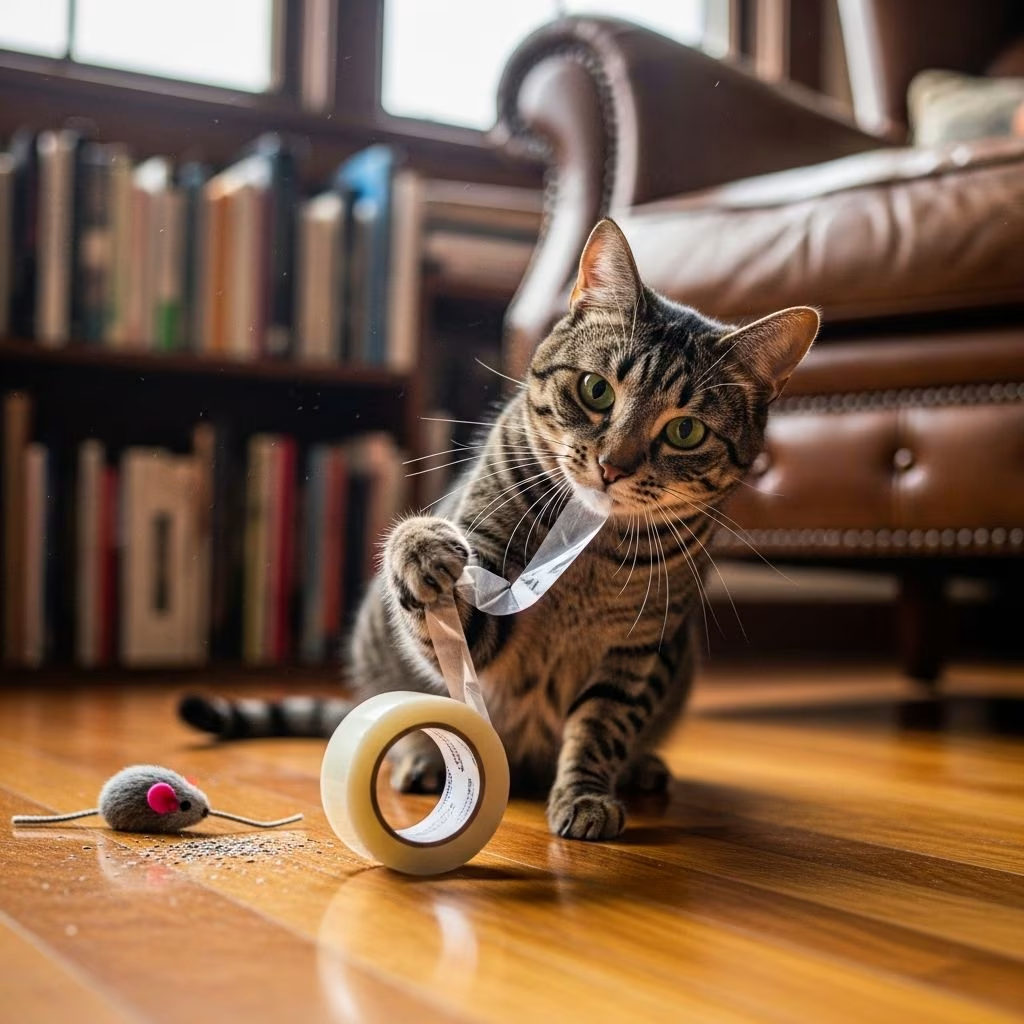
Cats exhibiting unusual eating habits, such as consuming tape, often raise alarm for pet owners. This behavior, known as pica when involving non-food items, can stem from benign causes like boredom or signal serious health concerns requiring veterinary attention. Understanding the root causes is crucial to prevent potential life-threatening complications like intestinal blockages.
The 6 Possible Reasons Why Your Cat Is Stuck on Tape
Multiple factors contribute to this peculiar habit. Below, we outline six vet-reviewed reasons, drawing from clinical observations and expert insights on feline behavior.
1. Pica
**Pica** is a compulsive eating disorder where cats ingest non-nutritive substances like tape, paper, plastic, string, or wool. Unlike mere chewing, pica involves swallowing these items, distinguishing it as a medical concern. This condition is prevalent in certain breeds, such as Siamese and Birman cats, potentially linked to early weaning that instills sucking habits on fabrics or plastics. Pica often underlies other reasons listed here and warrants immediate veterinary evaluation, especially if tape ingestion occurs, due to risks of gastrointestinal obstruction necessitating surgery.
Common triggers for pica include genetic predispositions, where kittens weaned too early seek comfort in non-food textures. Observational studies note that while chewing is common, ingestion is rare and problematic, often co-occurring with nutritional gaps or stress.
2. Boredom
A healthy cat with ample free time may turn to tape out of sheer **boredom**. Indoor cats, lacking stimulation, explore household items for entertainment. Signs include lounging followed by sudden interest in tape.
To combat this:
- Introduce interactive toys like feather wands or catnip-filled chasers.
- Schedule daily play sessions to boost physical activity.
- Enrich the environment with cat trees, perches, scratching posts, and window views of wildlife.
- Play feline-friendly music or bird videos for mental engagement.
Increasing stimulation redirects energy from destructive habits, promoting overall well-being.
3. Hunger or Nutritional Deficiencies
Changes in appetite or recent diet switches can prompt tape eating due to **hunger** or **nutritional deficiencies**. Rescued or malnourished cats may crave missing vitamins/minerals, while gastrointestinal malabsorption prevents proper nutrient uptake despite quality food.
Symptoms include altered eating patterns or persistent hunger. Veterinary blood tests can identify deficiencies like anemia, common in pica cases. Correcting diet—perhaps with supplements or high-quality, balanced kibble/wet food—often resolves the issue. Imbalanced diets are a leading pica cause, making dietary assessment essential.
4. Anxiety
**Anxiety** drives some cats to tape as a stress-relief mechanism. Household upheavals like new pets, babies, moves, or absent companions trigger this coping behavior, especially in rescues with trauma histories.
Separation anxiety or routine disruptions amplify risks. Solutions include:
- Consistent feeding schedules to alleviate food insecurity.
- Extra petting, playtime, and quiet retreats.
- Pheromone diffusers (e.g., Feliway) for calming effects.
- Gradual introductions to changes.
Gentle handling prevents escalation, as scolding worsens stress.
5. Craving Specific Textures or Sounds
Some cats fixate on tape’s **adhesive texture**, crinkly sound, or scent, akin to plastic bag obsessions. This sensory appeal, not always pica-linked, leads to accidental ingestion during play. Breeds with wool-sucking tendencies may generalize to tapes. Deterrents like bitter sprays (e.g., citrus-based) coat tape, creating negative associations without harm.
6. Underlying Illness
Serious **underlying illnesses** manifest as increased appetite or odd cravings. Conditions include:
| Condition | Symptoms | Potential Link to Tape Eating |
|---|---|---|
| Hyperthyroidism | Weight loss, excessive thirst/hunger | Heightened appetite drives pica |
| Diabetes | Increased drinking/eating, lethargy | Nutrient malabsorption |
| Pancreatic/GI Disease (viral, bacterial, parasitic) | Vomiting, diarrhea | Poor nutrient absorption |
| Inflammatory Bowel Disease (IBD) | Chronic diarrhea, weight loss | Malnutrition despite diet |
| Anemia or Neurological Issues | Pale gums, poor coat | Compulsive eating |
Accompanying signs like vomiting, diarrhea, or coat changes demand prompt vet visits. Bloodwork, imaging, or endoscopy may diagnose issues.
What Happens If My Cat Eats Tape?
Chewing tape poses minimal risk if adhesive is non-toxic, but **ingestion** threatens severe complications. Tape’s indigestible nature can cause **intestinal blockages**, leading to vomiting, constipation, pain, and life-threatening emergencies requiring surgery or endoscopy. Smaller pieces might pass, but monitoring stool is vital; persistent symptoms necessitate immediate care.
Toxicity from glues/adhesives adds risks like digestive irritation. Veterinary intervention post-ingestion involves diagnostics like X-rays and supportive care. Prevention trumps treatment—store tape securely.
How to Stop Your Cat from Eating Tape
Addressing root causes yields best results:
- Vet Check: Rule out medical issues first.
- Environmental Enrichment: Toys, play, perches.
- Deterrents: Bitter sprays on tape; elevate storage.
- Diet Review: Balance nutrition; test for deficiencies.
- Stress Management: Pheromones, routines.
Consistency and patience retrain habits effectively.
Frequently Asked Questions (FAQs)
Q: Is tape-eating always pica?
A: No, it can stem from boredom or sensory appeal, but ingestion qualifies as pica needing vet review.
Q: What breeds are prone to this?
A: Siamese, Birmans show higher pica rates, often from early weaning.
Q: How to deter without punishment?
A: Use bitter sprays, increase play, and enrich environment positively.
Q: When is it an emergency?
A: If vomiting, no stool, lethargy, or pain post-ingestion, seek vet immediately.
Q: Can diet alone fix it?
A: Possibly for deficiencies, but vet confirmation rules out illnesses first.
Eating tape isn’t normal but manageable with proactive steps. Consult vets for tailored advice, prioritizing safety.
References
- Why Does My Cat Eat Tape? 6 Vet-Reviewed Reasons & What to Do — Catster. 2023. https://www.catster.com/cat-behavior/why-does-my-cat-eat-tape/
- Why Does My Cat Love Adhesives on Tape and Glue? — Floppycats. 2023. https://www.floppycats.com/why-does-my-cat-love-adhesives-on-tape-and-glue.html
- Pica in Cats (or When Your Cat Eats Anything) — Ziggy Family. 2023. https://ziggyfamily.com/en/blogs/cats/pica-in-cats
- Cat Obsessed with Chewing Tape Rolls — Dial A Vet. 2023. https://www.dialavet.com/vet-answers/post/cat-obsessed-chewing-tape-rolls-51174



