

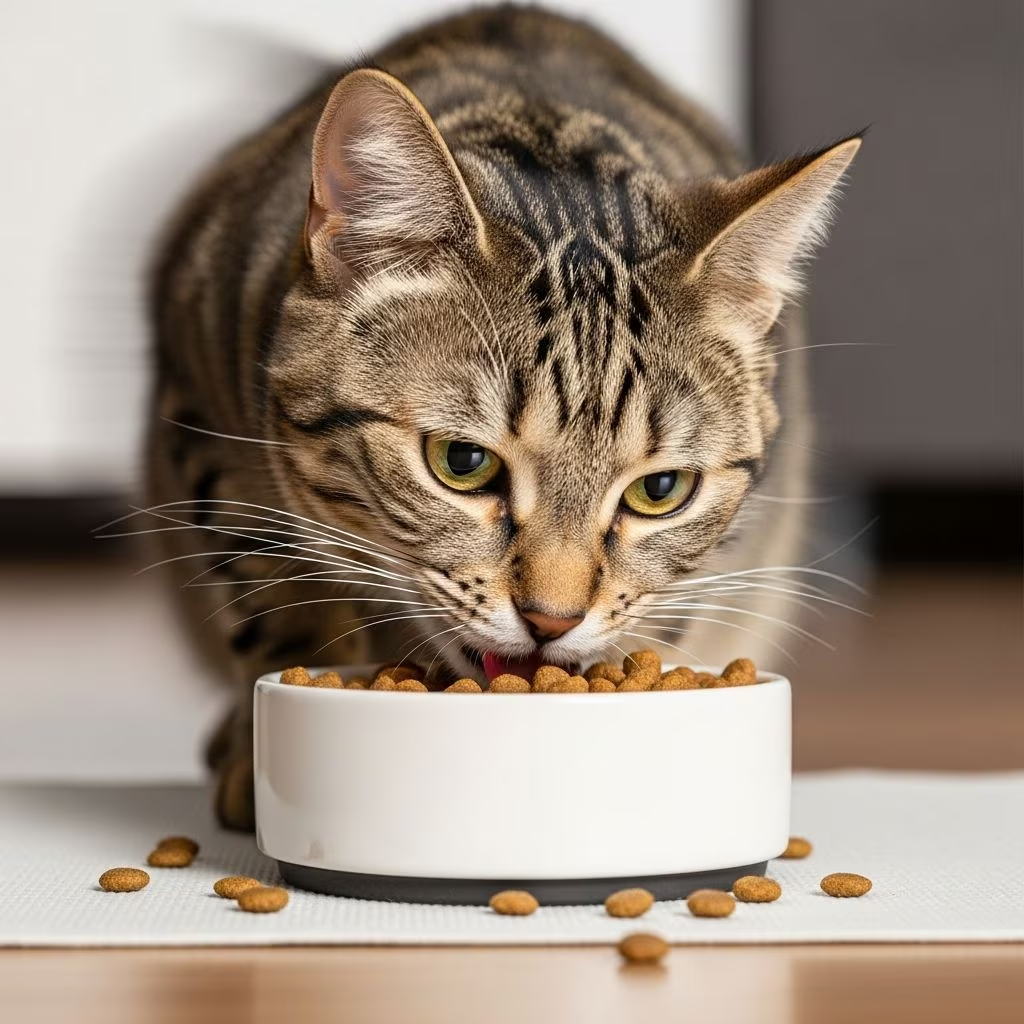
Cats often eat at breakneck speeds, finishing meals in seconds and leaving owners concerned about health risks like vomiting, obesity, and digestive issues. This behavior stems from instinctual, medical, or environmental factors, but simple interventions can help slow them down.
Is It Bad If My Cat Eats Too Fast?
Yes, rapid eating poses significant risks. A cat’s stomach is roughly ping-pong ball-sized, designed for multiple small meals from hunting, not large boluses of food. Gulping leads to regurgitation as the stomach can’t process food quickly enough, causing undigested meals to be expelled soon after eating. Frequent vomiting can result in dehydration, nutrient loss, and esophageal irritation.
Other complications include aerophagia (swallowing air), leading to bloating, gas, and discomfort. Over time, fast eating contributes to obesity since cats don’t register fullness signals promptly—the brain needs 10-20 minutes to receive satiety cues. In multi-pet homes, competition exacerbates weight gain as cats overeat to ‘defend’ portions.
Why Do Cats Eat So Fast?
Several factors drive this behavior, categorized into medical, behavioral, and environmental causes. Identifying the root is key to solutions.
Medical Causes
Underlying health issues often manifest as polyphagia (excessive hunger). Common conditions include:
- Hyperthyroidism: Overactive thyroid increases metabolism and appetite, causing ravenous eating despite weight loss.
- Diabetes Mellitus: Poor blood sugar regulation leads to constant hunger.
- Intestinal Parasites: Tapeworms and others steal nutrients, prompting compensatory overeating.
- Exocrine Pancreatic Insufficiency: Reduced digestive enzyme production impairs nutrient absorption.
- Inflammatory Bowel Disease or Intestinal Cancer: These disrupt digestion, heightening hunger.
- Dental Pain: Cats gulp to minimize chewing discomfort.
Signs like weight loss, lethargy, or coat changes warrant immediate vet evaluation.
Behavioral and Environmental Causes
Non-medical reasons are prevalent:
- Competition/Territoriality: In multi-cat or multi-pet homes, dominant animals intimidate others, causing rushed eating to avoid theft.
- Boredom/Loneliness: Understimulated cats treat meals as entertainment, leading to bingeing.
- Trauma/Food Scarcity History: Rescued strays eat defensively, fearing food won’t last.
- Food Addiction/Palatability: Tasty wet foods or dry kibble can trigger rapid consumption.
- Poor Diet Quality: Low-nutrient foods with fillers leave cats unsatisfied, driving faster intake.
- Stress/Anxiety: Noisy feeding areas or household chaos prompt quick escapes post-meal.
How Do I Know If My Cat Eats Too Fast?
Observe these indicators:
- Finishes meals in under 2 minutes without chewing.
- Regurgitates undigested food shortly after eating.
- Experiences frequent gas, bloating, or belching.
- Begs for more food immediately, appearing perpetually hungry.
- Gains weight despite normal portions or shows digestive upset.
Video meals if needed for vet discussion.
How Can I Slow Down My Cat Eating?
Effective strategies promote natural foraging instincts, mimicking wild hunting.
1. Use Puzzle Feeders and Slow Feed Bowls
These devices force cats to work for food, extending meals 5-10 times longer. Options include:
- Maze bowls with ridges or obstacles.
- Interactive puzzles releasing kibble via pawing or nosing.
- DIY solutions: muffin tins with kibble in cups, or egg cartons.
Start gradually to avoid frustration; most cats adapt quickly.
2. Dietary Adjustments
Switch to satiating foods:
- High-Protein, Low-Carb: Mimics meat-based natural diet, enhancing fullness.
- Wet Food or Hydrated Kibble: Increases volume and moisture for better digestion.
- Smaller, Frequent Meals: 4-6 mini-meals daily prevent gorging.
Consult vets before changes.
3. Environmental and Behavioral Fixes
| Issue | Solution |
|---|---|
| Multi-Pet Competition | Separate feeding stations in quiet rooms with visual barriers. |
| Boredom | Daily play sessions, toys, scratching posts, and climbing structures. |
| Stressful Location | Quiet, elevated feeding spots away from chaos. |
| Trauma | Consistent schedule; gradual exposure to security. |
4. Other Techniques
- Scatter kibble across floors to encourage foraging.
- Hand-feed portions during play to build association.
- Freeze wet food in portions for slower thawing/eating.
Monitor progress; combine methods for best results.
Frequently Asked Questions (FAQs)
Is it normal for cats to eat fast?
Not ideal; while instinctual, it risks health issues like vomiting. Slow it with feeders.
Why does my cat vomit after eating fast?
Rapid intake overwhelms the small stomach, causing regurgitation of undigested food.
Can fast eating cause obesity in cats?
Yes, as fullness signals lag, leading to overconsumption.
What if my single cat eats too fast?
Likely boredom, poor diet, or medical; enrich environment and check health.
Are slow feeders safe for all cats?
Most, but test for stress; alternatives like scattering work for picky eaters.
References
- 7 Tips to Prevent Your Cat from Eating too Fast — Cat Behavior Associates. 2023. https://catbehaviorassociates.com/7-tips-to-prevent-your-cat-from-eating-too-fast/
- 7 Reasons Your Cat Eats Too Fast and How to Slow Them Down — CatAmazing. 2023. https://catamazing.com/blogs/cat-amazing-blog/7-reasons-why-your-cat-eats-so-fast-and-exactly-how-to-slow-them-down
- Does your cat eats too quickly? Causes and solutions — Balmesvet. 2024-01-15. https://balmesvet.com/en/cat-eat-quickly/
- My Cat Eats Too Fast! What To Do About Your Speedy Eater — Rover. 2023. https://www.rover.com/blog/cat-eats-too-fast/
- 4 Ways To Slow Down Cats Who Eat Too Fast — Chewy. 2023. https://www.chewy.com/education/cat/food-and-nutrition/4-ways-to-slow-down-cats-who-eat-too-fast



