

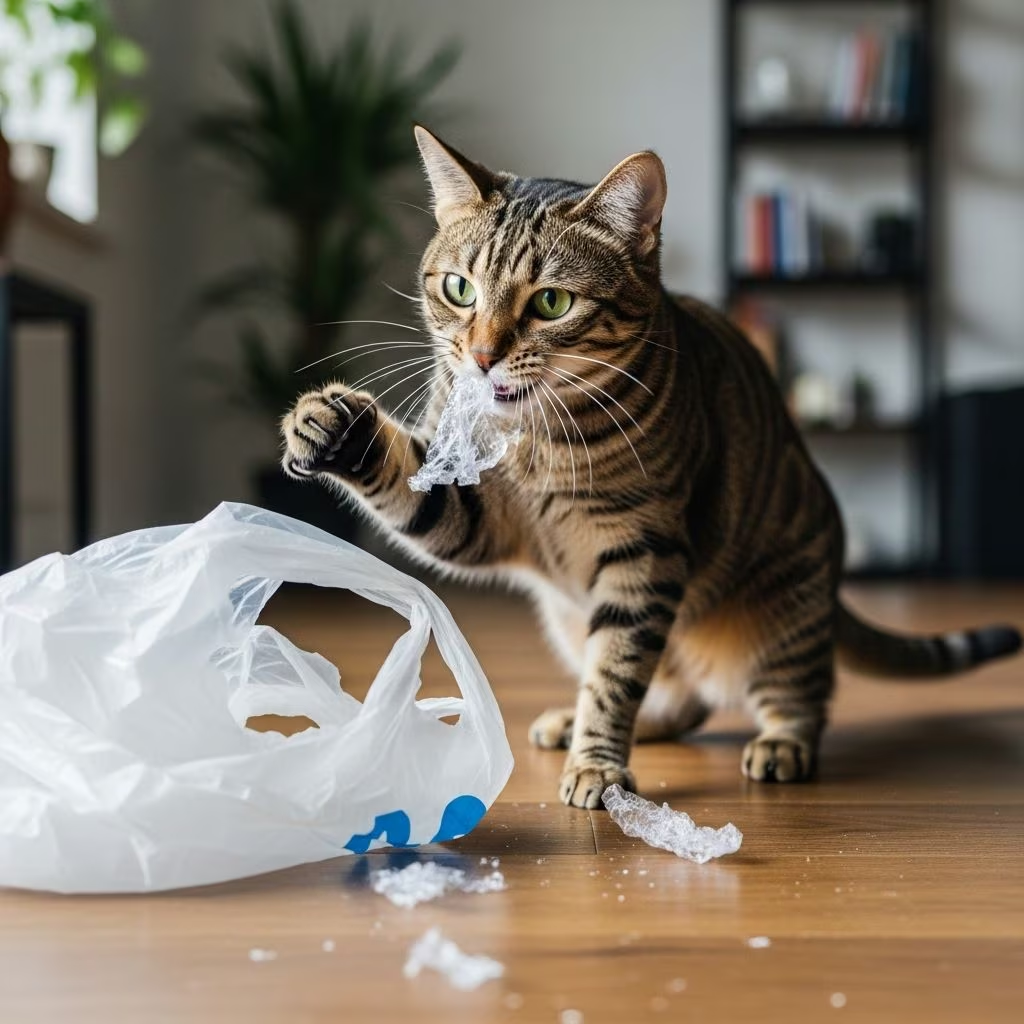
Cats chewing or eating plastic is a common yet concerning behaviour observed in many households. This habit, often linked to **pica**—the compulsion to ingest non-food items—can stem from curiosity, nutritional gaps, stress, or underlying health problems. While occasional nibbling might seem harmless, swallowing plastic poses serious risks like intestinal blockages and toxicity. Understanding the root causes is essential for cat owners to intervene effectively and ensure their pet’s safety.
Is It Normal for Cats to Eat Plastic?
No, eating plastic is not normal and indicates an underlying issue. Cats naturally explore with their mouths, but targeting inedible materials like plastic bags, wrappers, or containers suggests abnormal behaviour. Breeds like Siamese and Burmese are particularly prone due to their high curiosity and intelligence. If ignored, it can escalate to dangerous ingestion. Veterinary experts recommend monitoring and addressing this promptly to prevent health complications.
Why Do Cats Eat Plastic? Common Causes
Several factors drive cats to chew plastic. These range from instinctual needs to medical conditions. Identifying the trigger requires observing your cat’s environment, diet, and behaviour patterns.
The Appeal of Plastic: Sound, Texture, and Scent
Plastic’s crinkly sound mimics prey rustling in grass, triggering hunting instincts. Its texture provides satisfying gnawing feedback, especially for cats lacking chewable outlets. Lingering food scents on bags attract them, as cats’ superior sense of smell detects traces humans miss. Some plastics contain animal fats, cornstarch, or chemical scents resembling pheromones.
- **Crinkly noise**: Stimulates auditory senses, encouraging play.
- **Smooth or crunchy texture**: Fulfills jaw exercise needs.
- **Food odours**: From meats, fish, or treats previously contained.
- **Chemical allure**: Phthalates or BPA mimicking attractants.
Nutritional Deficiencies and Pica
**Pica** in cats often arises from diet shortfalls in vitamins, minerals, or fibre, prompting them to seek alternatives in non-foods like plastic. Underfeeding or low-quality food exacerbates this. Consult a vet to review and adjust diet, possibly adding supplements. Related conditions include feline leukemia, diabetes, or hyperthyroidism.
Boredom, Stress, and Lack of Enrichment
Indoor cats with insufficient stimulation turn to plastic for entertainment. Boredom leads to destructive chewing, while stress from changes (new pets, moves) manifests as compulsive habits. Provide interactive toys, climbing structures, and playtime to redirect energy.
Breed Predisposition and OCD-Like Behaviours
Siamese, Burmese, and Oriental breeds show higher pica rates due to genetics. Some cats exhibit OCD-like repetition, chewing plastic obsessively regardless of other factors.
Pain or Underlying Health Issues
Pain from dental problems or illnesses prompts unusual chewing. Cats hide discomfort, so new behaviours warrant a vet visit to rule out issues.
Risks and Dangers of Cats Eating Plastic
Ingestion threatens severe consequences. Plastic doesn’t digest, leading to complications.
1. Gastrointestinal Obstructions
Swallowed pieces block the esophagus, stomach, or intestines, causing pain, vomiting, lethargy, and potential rupture if untreated. Surgery may be required.
2. Choking Hazard
Large fragments pose immediate choking risks during chewing.
3. Toxicity from Chemicals
Plastics leach phthalates, BPA, or residues from cleaners, disrupting hormones and damaging organs like liver and kidneys over time.
4. Vomiting, Diarrhea, and Irritation
Even small amounts irritate the GI tract, causing persistent symptoms.
| Risk | Symptoms | Potential Outcome |
|---|---|---|
| Obstruction | Vomiting, appetite loss, abdominal pain | Surgery, death if ruptured |
| Choking | Coughing, distress | Aspiration, fatality |
| Toxicity | Diarrhea, lethargy | Organ damage |
| Irritation | Vomiting, bloody stool | Dehydration |
Signs Your Cat Has Eaten Plastic
Watch for these indicators:
- Sudden vomiting or retching.
- Loss of appetite or weight loss.
- Defensive reactions to touch (abdominal pain).
- Lethargy or hiding.
- Diarrhea, constipation, or bloody stools.
- Visible plastic pieces in vomit/stool.
Seek emergency vet care if multiple symptoms appear.
How to Stop Your Cat from Eating Plastic
Prevention combines environmental changes, enrichment, and professional advice.
1. Veterinary Consultation
Rule out health issues and pica. Get diet recommendations.
2. Improve Diet and Nutrition
Switch to high-quality, nutrient-complete food. Add fibre-rich treats if needed.
3. Provide Safe Alternatives
Offer chew toys, crinkle balls, or dental chews mimicking plastic’s appeal.
- Interactive toys for hunting simulation.
- Scratching posts for jaw exercise.
- Fountains for hydration and play.
4. Reduce Stress and Boredom
Use pheromone diffusers, create vertical spaces, and schedule daily play. Identify triggers like routine changes.
5. Plastic-Proof Your Home
Store plastics in closed cabinets, use lidded bins, and designate plastic-free zones.
6. Positive Reinforcement Training
Reward ignoring plastic; redirect to toys. Avoid punishment.
Frequently Asked Questions (FAQs)
Is plastic chewing a sign of hunger?
Yes, it can indicate insufficient calories or nutrients. Review portions and food quality with your vet.
Why do some breeds eat plastic more?
Breeds like Siamese have genetic pica tendencies due to high curiosity.
What if my cat swallows plastic?
Monitor for symptoms; contact vet immediately. X-rays may detect blockages.
Can pica be cured?
Managed through diet, enrichment, and treating causes. Persistent cases may need behaviourists.
Are all plastics dangerous?
Yes, due to choking, blockages, and toxins like BPA. Keep all away.
Long-Term Management and When to Worry
Track progress after changes. If chewing persists, seek a veterinary behaviourist. Regular check-ups catch issues early. Enriched environments promote natural behaviours, reducing pica risks.
In summary, addressing why your cat eats plastic involves holistic care: vet visits, better nutrition, stimulation, and home modifications. Proactive steps safeguard health and happiness.
References
- Why Does My Cat Eat Plastic? Possible Causes & Tips — Purina. 2023-05-15. https://www.purina.com/articles/cat/behavior/understanding-cats/why-do-cats-eat-plastic
- Why Does My Cat Eat Plastic? Causes and Tips for Prevention — Kinship. 2024-02-10. https://www.kinship.com/cat-behavior/why-does-my-cat-eat-plastic
- Why does my cat eat plastic? — Embrace Pet Insurance. 2024-08-20. https://www.embracepetinsurance.com/waterbowl/article/why-does-my-cat-eat-plastic
- Is Your Cat Eating Plastic? Here’s Why — Petcube. 2023-11-05. https://petcube.com/blog/why-do-cats-eat-plastic/
- Pica in Cats: What It Is, Symptoms, and Treatment — PetMD. 2024-06-12. https://www.petmd.com/cat/conditions/behavioral/pica-cats
- Pica in Cats: When Is It a Veterinary Emergency? — GSVS. 2023-09-18. https://gsvs.org/blog/pica-in-cats-urgent-care/



