

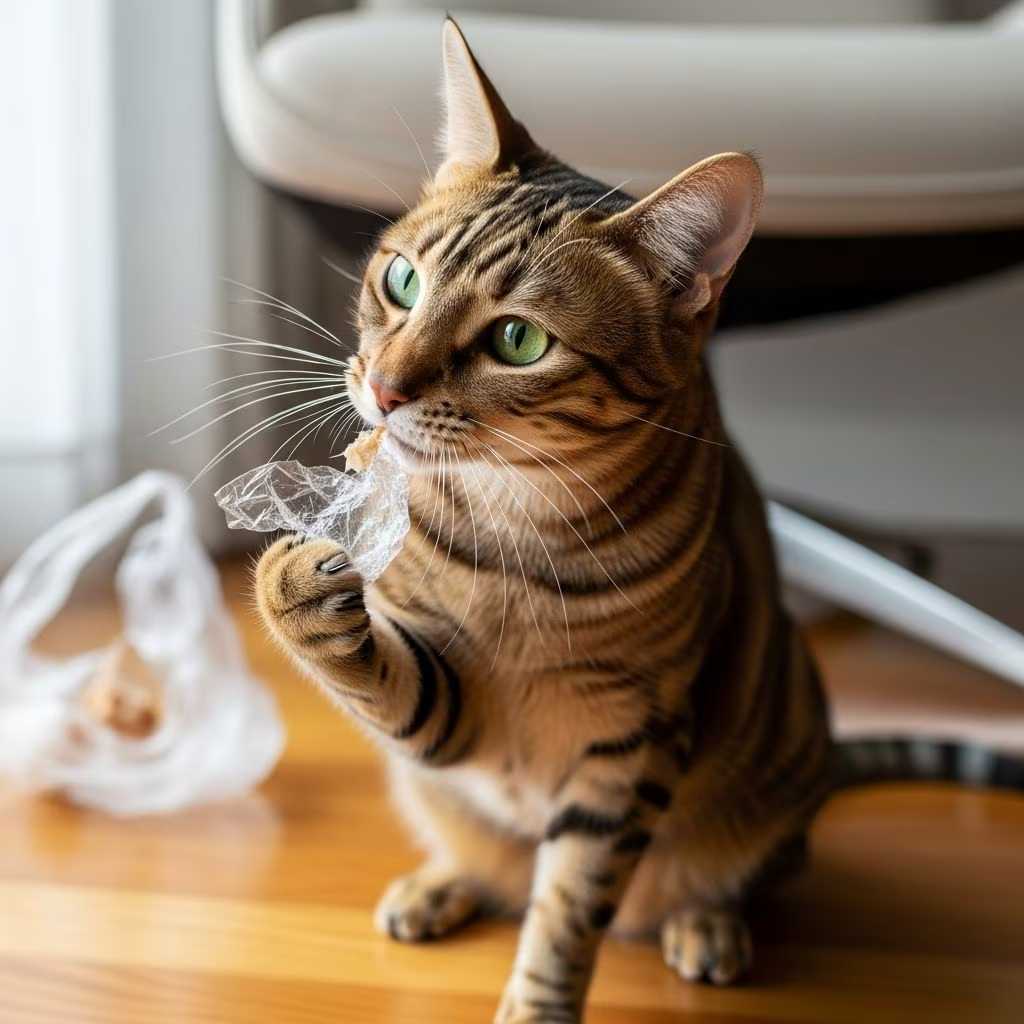
Cats chewing or eating plastic is a common yet concerning behaviour observed in many households. This compulsion, often linked to **pica**—the urge to consume non-food items—can stem from nutritional gaps, sensory attractions, stress, or underlying health issues. While occasional nibbling might seem harmless, ingesting plastic poses serious risks like intestinal blockages and toxicity, potentially requiring emergency intervention. Understanding the root causes allows pet owners to implement effective prevention strategies, ensuring their feline companions stay healthy and safe.
Is It Normal for Cats to Eat Plastic?
No, it’s not normal for cats to eat plastic, though it’s a widespread issue affecting domestic cats worldwide. Natural curiosity drives kittens to explore with their mouths, but persistent adult chewing indicates an underlying problem. Breeds like Siamese and Burmese are particularly prone due to their high intelligence and inquisitive nature. Experts note that while gnawing satisfies teething or play instincts, actual ingestion signals disorders like pica, which affects up to 25% of cats in some studies, warranting veterinary attention.
Why Do Cats Like Plastic?
Cats are drawn to plastic for multifaceted reasons blending instinct, environment, and physiology. The crinkly sound mimics prey rustling in foliage, triggering hunting reflexes, while the smooth or textured surface provides satisfying tactile feedback during bites. Lingering food odours from bags or containers—especially fish or meat scents—entice their superior sense of smell, detecting traces humans miss. Some plastics emit chemical aromas resembling pheromones, amplifying appeal.
- Sensory Stimulation: Crinkling noises and varied textures engage auditory and oral senses, substituting for absent prey.
- Olfactory Pull: Residual proteins or fats from packaging prove irresistible.
- Static Attraction: Plastics generate static electricity, making cat hair or dust stick, intriguing felines who paw and chew to investigate.
Is Eating Plastic a Sign of Pica in Cats?
Yes, eating plastic is a hallmark symptom of **pica** in cats, a compulsive disorder where animals ingest inedible materials like wool, paper, or synthetics. Pica differs from mere chewing; it involves swallowing, driven by genetic predisposition, early weaning, or medical conditions. Siamese breeds show hereditary tendencies, while environmental stressors exacerbate episodes. If unchecked, pica leads to health crises, distinguishing it from playful exploration.
10 Reasons Why Cats Eat Plastic
Multiple factors converge to explain this behaviour. Cat behaviourist Jennifer Van de Kieft highlights that inadequate feeding or low-quality diets often underlie it, prompting cats to seek missing elements. Here’s a comprehensive breakdown:
- Hunger or Underfeeding: Calorie-restricted diets leave cats unsatisfied, driving them to chew for bulk.
- Nutritional Deficiencies: Lacking fibre, vitamins, or minerals prompts compensatory eating.
- Sensory Appeal: Sounds, textures, and smells as detailed earlier.
- Boredom and Lack of Enrichment: Indoor cats without toys or play turn to household items.
- Stress and Anxiety: Environmental changes trigger compulsive chewing.
- Dental or Oral Pain: Teething kittens or adults with gum issues gnaw for relief.
- Obsessive-Compulsive Disorder (OCD): Repetitive patterns akin to human OCD.
- Breed Predisposition: Orientals like Burmese exhibit higher rates.
- Curiosity and Exploration: Mouth-based investigation of novel objects.
- Medical Conditions: Anaemia, hyperthyroidism, or feline leukaemia linked to pica.
Health Risks of Cats Eating Plastic
Ingesting plastic endangers cats profoundly. Gastrointestinal foreign bodies obstruct digestion, causing life-threatening blockages. Veterinary data from the American College of Veterinary Surgeons indicates surgery is needed in 80% of severe cases. Toxicity from phthalates, BPA, or residues disrupts hormones and organs.
| Risk | Symptoms | Potential Outcomes |
|---|---|---|
| Intestinal Blockage | Vomiting, lethargy, abdominal pain, appetite loss | Surgery, peritonitis, death if untreated |
| Irritation/Inflammation | Diarrhoea, drooling, dehydration | Chronic GI issues |
| Toxicity | Seizures, liver/kidney damage | Endocrine disruption, organ failure |
| Choking | Gagging, respiratory distress | Aspiration pneumonia |
Dr. Valli warns that even small pieces irritate linings, escalating to emergencies. Prompt vet visits save lives upon symptom onset.
How to Stop Your Cat from Eating Plastic
Prevention combines environmental management, enrichment, and medical checks. Start with a vet exam to exclude diseases, then adjust diet.
- Diet Optimization: Switch to high-quality, nutrient-complete foods; add vet-approved supplements for deficiencies.
- Enrichment Boost: Provide crunchy toys, puzzle feeders, cat trees, and daily 15-minute play.
- Plastic Elimination: Store bags in sealed bins; use glass/metal alternatives.
- Stress Reduction: Pheromone diffusers, vertical spaces, routine stability.
- Deterrents: Citrus sprays, double-sided tape on surfaces; supervise kittens.
- Regular Monitoring: Daily checks for symptoms; annual bloodwork for at-risk cats.
When to See a Vet if Your Cat Eats Plastic
Seek immediate care if ingestion occurs or symptoms appear: persistent vomiting (over 24 hours), bloody stool, distended abdomen, weakness, or refusal to eat. Early radiographs detect blockages, averting surgery. Routine check-ups for chronic chewers screen for anaemia or thyroid issues via blood panels.
Frequently Asked Questions
Why is my cat suddenly eating plastic?
Sudden onset often signals stress, diet changes, or illness like hyperthyroidism. Vet evaluation is essential.
Can cats digest plastic?
No, cats cannot digest plastic; it causes blockages or passes painfully, risking tears.
Is plastic chewing breed-specific?
Yes, Siamese, Burmese, and Tonkinese show genetic pica proneness.
How much plastic is dangerous for a cat?
Even small pieces (>1cm) pose risks; size, sharpness, and quantity determine severity.
Are there safe chew toys for pica cats?
Yes, rubber toys, dental chews, or silvervine-infused items redirect urges safely.
References
- Why Does My Cat Eat Plastic? Causes and Tips for Prevention — Kinship. 2023. https://www.kinship.com/cat-behavior/why-does-my-cat-eat-plastic
- Why does my cat eat plastic? — Embrace Pet Insurance. 2024-05-15. https://www.embracepetinsurance.com/waterbowl/article/why-does-my-cat-eat-plastic
- Why Does My Cat Eat Plastic? Possible Causes & Tips — Purina. 2024. https://www.purina.com/articles/cat/behavior/understanding-cats/why-do-cats-eat-plastic
- Is Your Cat Eating Plastic? Here’s Why — Petcube. 2023-11-20. https://petcube.com/blog/why-do-cats-eat-plastic/
- Pica in Cats: What It Is, Symptoms, and Treatment — PetMD. 2025-01-10. https://www.petmd.com/cat/conditions/behavioral/pica-cats
- Pica in Cats: When Is It a Veterinary Emergency? — GSVS. 2024. https://gsvs.org/blog/pica-in-cats-urgent-care/



