

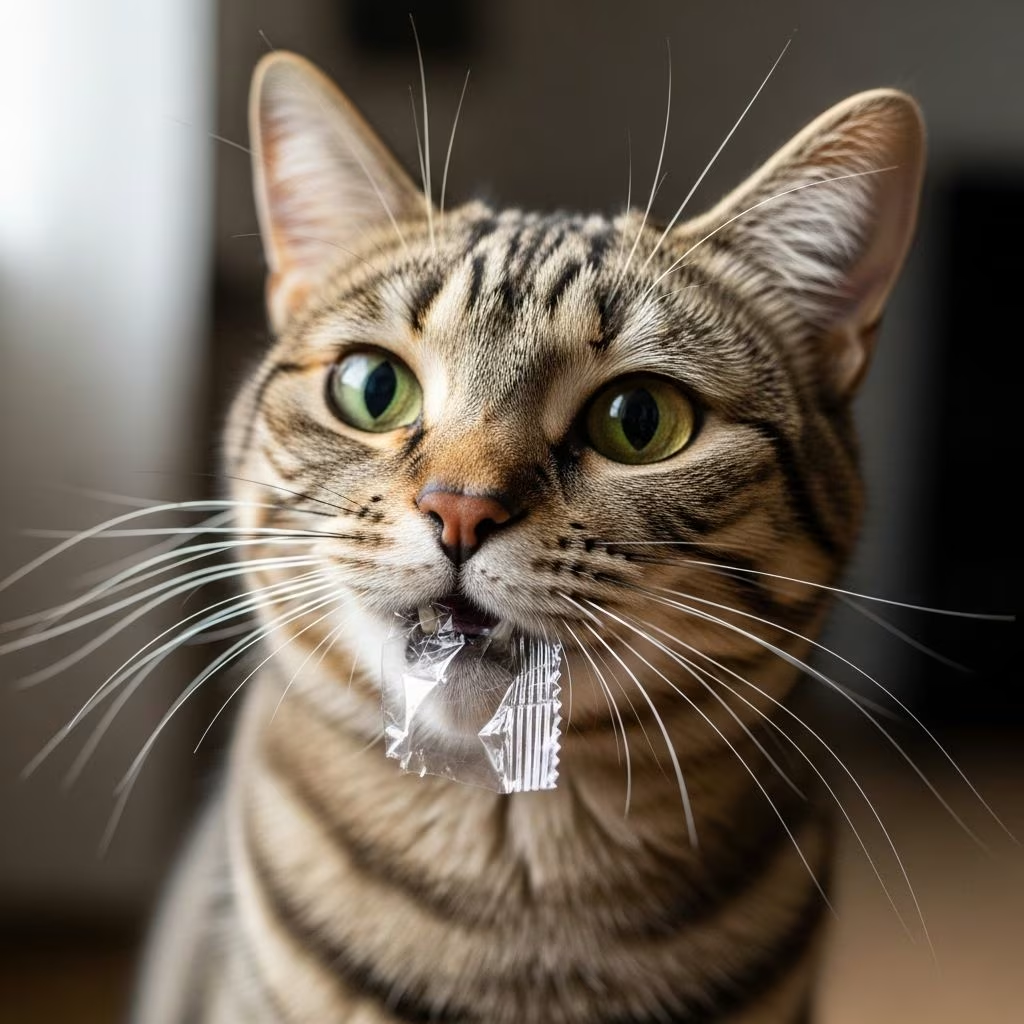
Cats chewing or eating plastic is a common yet concerning behavior observed in many households. This compulsion, often linked to **pica**—the urge to consume non-food items—can stem from nutritional deficiencies, sensory attractions, stress, or underlying health issues. While occasional nibbling might seem harmless, ingesting plastic poses serious risks like intestinal blockages, toxicity, and vomiting. Understanding the root causes allows cat owners to intervene effectively, ensuring their pet’s safety and well-being.
Is It Normal for Cats to Eat Plastic?
No, eating plastic is not normal cat behavior and indicates an underlying issue. Cats naturally explore with their mouths, but targeting inedible plastics suggests **pica**, a disorder where felines ingest non-nutritive substances like plastic, fabric, or soil. Certain breeds, such as Siamese and Burmese, are genetically predisposed to pica due to their high curiosity and intelligence. Kittens may experiment out of curiosity, but persistent adult behavior warrants attention, as it could signal dietary shortfalls or medical problems.
Why Do Cats Like Plastic?
Cats are drawn to plastic for multifaceted reasons blending instinct, senses, and unmet needs. The crinkly sound mimics prey rustling in foliage, triggering hunting instincts, while the smooth or textured feel provides satisfying oral stimulation. Lingering food scents on bags or containers—especially from fish or meat—entice their superior sense of smell, detecting traces humans miss. Some plastics contain animal fats, cornstarch, or chemical scents resembling pheromones, amplifying appeal. Beyond sensory pull, plastic fulfills a gnawing urge, particularly if cats lack crunchy diet elements or toys.
10 Reasons Why Your Cat Might Eat Plastic
- Nutritional Deficiencies: Cats may chew plastic seeking missing vitamins, minerals, or fiber, a classic pica trigger. Low-quality or calorie-restricted diets exacerbate this.
- Sensory Appeal (Sound and Texture): Crinkling noises and chewable textures stimulate hunting and teething instincts.
- Food Scents: Residual odors from packaged meats or fish draw cats irresistibly.
- Boredom or Lack of Enrichment: Indoor cats without toys or play turn to household items for mental stimulation.
- Stress and Anxiety: Environmental changes prompt compulsive chewing as a coping mechanism.
- Pain or Dental Issues: Discomfort drives unusual gnawing; cats hide pain well, so vet checks are essential.
- Obsessive-Compulsive Disorder (OCD): Repetitive chewing mirrors human OCD, often breed-specific.
- Health Conditions: Diseases like feline leukemia, diabetes, hyperthyroidism, or anemia underlie pica.
- Insufficient Calories or Hunger: Underfed cats seek satisfaction elsewhere.
- Breed Predisposition: Oriental breeds like Siamese exhibit higher pica rates.
Risks and Dangers of Cats Eating Plastic
Ingesting plastic endangers cats profoundly. Primary risks include:
- Gastrointestinal Obstructions: Swallowed pieces block the esophagus, stomach, or intestines, causing vomiting, lethargy, pain, and potentially fatal ruptures requiring surgery.
- Choking Hazard: Large fragments pose immediate airway threats.
- Toxicity: Chemicals like phthalates or BPA in plastics disrupt hormones, harm liver/kidneys; residues from cleaners add risks.
- Irritation and GI Upset: Plastics inflame linings, leading to diarrhea, vomiting.
Symptoms signaling emergency: repeated vomiting, appetite loss, defensive reactions, weight loss, abdominal pain. Seek vet care immediately.
How to Stop Your Cat from Eating Plastic
Prevention combines environmental management, enrichment, and health oversight:
- Remove Access: Store plastics in closed cabinets; create plastic-free zones.
- Provide Alternatives: Offer safe chew toys, crunchy kibble, or cat grass for gnawing.
- Enrich Environment: Interactive toys, scratching posts, climbing trees combat boredom.
- Review Diet: Consult vets for nutrient-balanced food; add supplements if deficient.
- Reduce Stress: Pheromone diffusers, routine play, stable routines help.
- Vet Evaluation: Rule out medical causes with exams, bloodwork.
FAQs
Why is my cat suddenly eating plastic?
Sudden onset often ties to stress, diet changes, pain, or illness. Vet visit first to exclude health issues.
Is cat pica dangerous?
Yes, pica risks blockages, toxicity, and nutrient malabsorption; untreated, it endangers life.
What breeds are prone to eating plastic?
Siamese, Burmese, and Oriental breeds show higher pica incidence due to genetics.
Can plastic cause my cat to throw up?
Frequently; irritation or partial blockages provoke vomiting alongside other GI symptoms.
How do I know if my cat has a plastic blockage?
Watch for persistent vomiting, no appetite, lethargy, hunched posture. Emergency vet needed.
When to See a Vet
Consult immediately if chewing persists, ingestion occurs, or symptoms like vomiting, diarrhea, weight loss appear. Routine check-ups catch deficiencies early. Blood tests diagnose anemia or organ issues fueling pica.
References
- Why Does My Cat Eat Plastic? Possible Causes & Tips — Purina. 2023-05-15. https://www.purina.com/articles/cat/behavior/understanding-cats/why-do-cats-eat-plastic
- Why Does My Cat Eat Plastic? Causes and Tips for Prevention — Kinship. 2024-02-20. https://www.kinship.com/cat-behavior/why-does-my-cat-eat-plastic
- Why does my cat eat plastic? — Embrace Pet Insurance. 2024-08-10. https://www.embracepetinsurance.com/waterbowl/article/why-does-my-cat-eat-plastic
- Is Your Cat Eating Plastic? Here’s Why — Petcube. 2023-11-05. https://petcube.com/blog/why-do-cats-eat-plastic/
- Pica in Cats: What It Is, Symptoms, and Treatment — PetMD. 2024-06-12. https://www.petmd.com/cat/conditions/behavioral/pica-cats



