

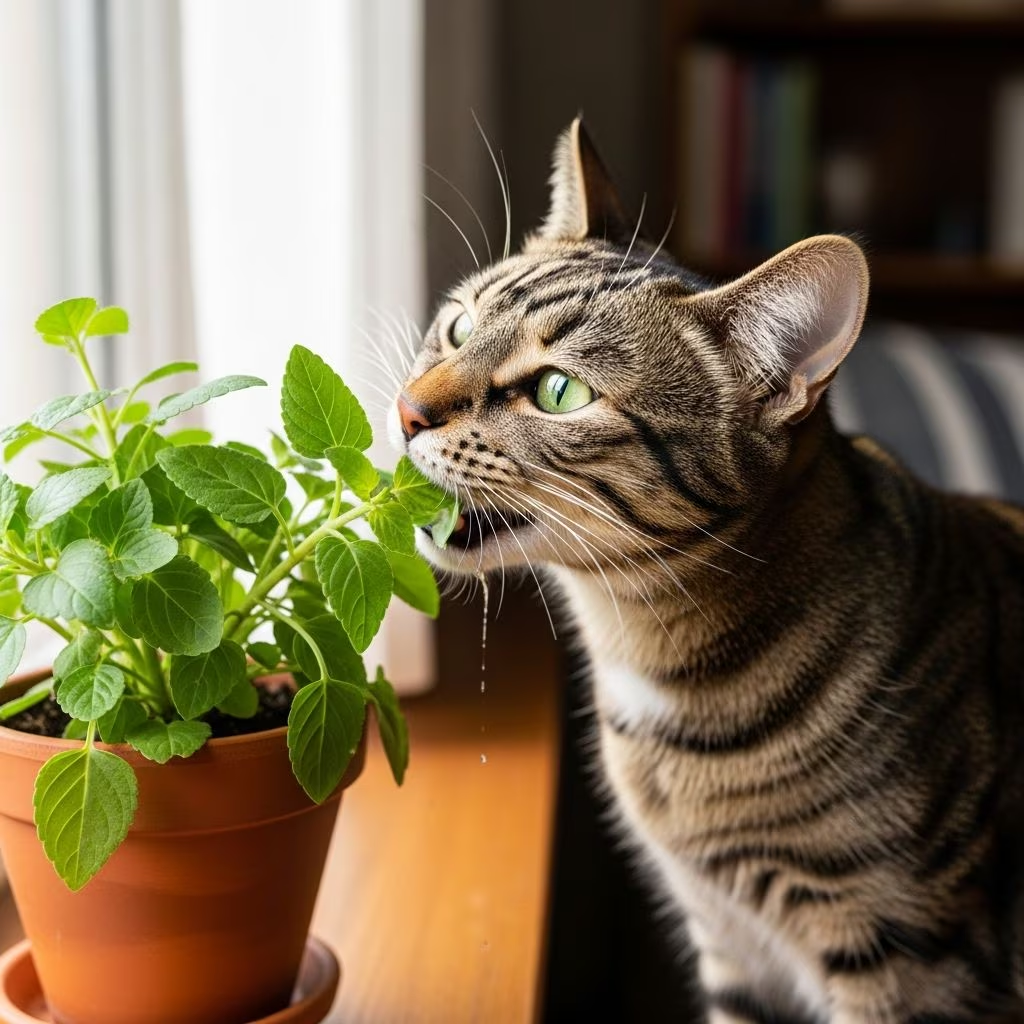
Why Does My Cat Eat Plants? Is This Normal?
If you’ve ever noticed your cat chewing on your houseplants, nibbling on leaves, or showing a keen interest in your indoor greenery, you’re not alone. Many cat owners wonder why their feline companions seem drawn to plants despite having regular food and treats available. The good news is that this behavior is completely normal and natural for cats. It’s a common behavior in healthy cats that can generally be linked to their innate curiosity or a liking for a plant’s taste or texture.
To better understand this fascinating feline behavior, we consulted with certified cat behaviorists and veterinarians who shed light on the various reasons why cats eat plants and what it means for your pet’s wellbeing.
Common Reasons Why Cats Eat Plants
They’re Curious
Cats are naturally curious creatures, and this curiosity extends to the plants in your home. Young cats, in particular, are drawn to investigate new objects and textures in their environment. Plants, with their leaves, stems, and varying heights, present an intriguing sensory experience. The movement of leaves in the breeze or when brushed against can trigger a cat’s hunting instincts and prey drive, making plants an irresistible target for investigation and exploration.
They Like the Taste and Texture
Your cat could simply enjoy the taste or feel of certain leaves. Depending on the plant’s texture, your kitty could find the interestingly smooth, velvety, or fuzzy leaves appealing to their senses—similar to how we might find the crunchiness of a carrot or the fluffiness of scrambled eggs appealing. Different plants offer different sensory experiences, and some cats develop distinct preferences for certain varieties. Spider plants, for instance, are popular among cats due to their thin, grass-like leaves and mild compounds that create an enjoyable sensation.
They’re Soothing an Upset Stomach
While cats are primarily meat-eaters, they might look to eat plants as a digestive aid. Eating grass can help with digestion or hairball elimination. This behavior serves an important biological function in many cases. When cats consume hair during grooming, it accumulates in their digestive tract and can form hairballs. Consuming plant material, particularly grass, can help move these hairballs through the system and encourage vomiting to expel them. Additionally, plants may provide beneficial enzymes or fiber that aid in overall digestive health. If your cat frequently eats plants, consider offering cat-friendly grass as a safer alternative to your houseplants.
They’re Bored or Stressed
Although our feline friends can be fiercely independent at times, they’re at their best with plenty of opportunities to stay mentally and physically active. If a cat lacks stimulation, they might turn to plants for entertainment. Boredom can drive cats to engage in destructive behaviors, including excessive plant chewing. Similarly, stress from environmental changes—such as new pets, new people, loud noise, or sudden relocation—can cause cats to seek comfort in familiar objects, including plants. Some veterinarians speculate that grass and other plants serve as comfort food for stressed cats, helping them cope with anxiety.
They’re Tapping Into Their Instincts
Wild cats, who were often exposed to intestinal parasites, might have eaten certain plants to help with digestion or to supplement their diet. Although more research is needed, eating plants could serve a biological purpose in cats. This behavior represents an ancestral adaptation passed down through generations. In the wild, consuming plant material helped cats maintain a lower intestinal parasite load and aided in the excretion of indigestible food items like fur and bone. Modern domestic cats retain this instinctive behavior even though they no longer face the same survival pressures as their wild ancestors.
The Science Behind Plant Eating in Cats
Scientific research has provided valuable insights into why cats eat plants. Studies have shown that plant-eating is a trait that domestic cats have inherited from their wild ancestors. It’s a common behavior in normal cats that is unrelated to illness, and it doesn’t cause nausea or vomiting in a majority of cases.
Research by Hart et al. (2021) found that 27-37% of cats frequently vomited after eating plants, meaning 63-73% of cats don’t vomit after eating plants. The study also revealed that younger cats consumed plants more frequently but were less likely to vomit than older cats. Interestingly, short-haired cats ate plants as frequently as long-haired cats, suggesting that cats don’t eat plants primarily to help with hairballs.
Another study by Yoshimura et al. (2021) found that smaller carnivore species ate plants more frequently than larger species. Researchers hypothesized that this could relate to self-medication, as energy loss caused by parasites has greater consequences for smaller carnivores. The science of animal self-medication is called zoopharmacognosy, and this behavior is observed across various species including birds, bees, and chimpanzees.
Specific Benefits of Plant Consumption for Cats
Understanding the specific benefits cats gain from eating plants can help you appreciate this behavior better:
Provides Folic Acid—Folic acid is used in the production of hemoglobin, a protein present in red blood cells that transports oxygen throughout the body. Grass and certain plants are natural sources of this essential nutrient.
Helps with Digestion—Plants can settle an upset stomach and help with the passage of stuck hairballs. Eating grass could trigger vomiting of any suspicious contents cats have ingested, providing relief from digestive distress.
Acts as a Natural Antiparasitic—Antiparasitic drugs weren’t always available to cat parents, so felines used to nibble on grass to get rid of parasites. Researchers have observed blades of grass wrapped around intestinal worms in wild animal stools, suggesting that grass might have a “scouring effect” that helps remove worms from the gut.
Relieves Stress—Veterinarians speculate that grass is comfort food for stressed cats. The act of chewing on plants may have a calming effect, similar to how humans find certain activities soothing.
Provides Beneficial Bacteria—Fresh plants may be a source of beneficial bacteria. In humans, recent studies showed that we consume over 100 million bacteria when we eat an apple, and organically grown apples are a rich source of bacteria like lactobacilli. Similarly, cats may benefit from the beneficial microorganisms present on plant leaves.
Plant Preference and Individual Taste
Just like humans, cats have individual preferences when it comes to plants. Cats may devour some plants but ignore others as a simple matter of taste. It’s each to their own—some cats prefer certain varieties while others prefer different ones entirely. Some plants, notably catnip, make cats feel particularly good due to specific compounds that create an altered sensory experience. Other cats like spider plants, which contain compounds related to opium, creating a pleasurable sensation.
Understanding your individual cat’s preferences can help you redirect their plant-eating behavior toward safer options. By observing which plants your cat is most drawn to, you can provide appropriate alternatives that satisfy their cravings without damaging your houseplants.
How Stress Influences Plant-Eating Behavior
Some veterinarians suspect that cats under stress consider plants their comfort food. This unhealthy coping mechanism can be kept under control by eliminating stressors surrounding your furry friend. The most common stressors for cats include:
– New animals in the household
– New people visiting or living with you
– Loud noise and sudden sounds
– Sudden relocation such as moving homes
– Being taken care of by unfamiliar family friends
Identifying and minimizing these stressors can reduce your cat’s tendency to seek comfort in plants. Providing a calm, stable environment with familiar routines helps cats feel more secure and reduces the need to engage in stress-related behaviors.
Safe Plant Alternatives for Your Cat
Rather than trying to completely prevent your cat from eating plants, consider offering safer, cat-friendly alternatives:
Cat Grass Growing Kits—These specially formulated grass kits are designed specifically for cats and provide the same digestive benefits without the risk of pesticides or harmful substances. Options like Frisco Natural Cat Grass Growing Kit offer a safer, more beneficial option compared to houseplants.
Organic Pet Grass—Organic pet grass grow kits with planters provide fresh, safe plant material for your cat to chew on. These eliminate concerns about chemical exposure and provide a designated space for your cat’s plant-eating behavior.
Cat-Safe Plants—If you want to keep houseplants, choose varieties that are non-toxic to cats. Spider plants, Boston ferns, and cat palms are generally safe options that many cats enjoy.
When to Be Concerned
While plant eating is generally normal, there are situations where you should consult a veterinarian:
– Your cat eats plants constantly or excessively
– Plant eating is accompanied by vomiting, diarrhea, or lack of appetite
– Your cat shows signs of poisoning after eating a plant
– The behavior is a sudden change from normal patterns
– Your cat appears lethargic or unwell
These symptoms could indicate an underlying health issue that requires professional evaluation. Your veterinarian can help determine if the plant-eating behavior is a symptom of a more serious condition.
Frequently Asked Questions (FAQs)
Q: Is it normal for my cat to eat plants?
A: Yes, it’s completely normal for cats to eat plants and show an interest in plant material even though cats are primarily meat-eaters. This is a common behavior in healthy cats and is generally linked to their innate curiosity or liking a plant’s taste or texture.
Q: Why does my cat eat grass?
A: Cats eat grass for several reasons, including aiding digestion, helping with hairball elimination, obtaining folic acid, and accessing beneficial compounds. Grass can also help cats vomit up hairballs or suspicious materials they’ve ingested.
Q: Will eating plants make my cat sick?
A: Most plants don’t make cats sick, though some houseplants are toxic to cats. The key is knowing which plants are safe and which are dangerous. Ensure your cat has access to cat-safe plants and remove any toxic varieties from your home.
Q: How can I stop my cat from eating my houseplants?
A: Rather than stopping the behavior entirely, redirect it by offering cat-friendly grass and safe plant alternatives. Remove toxic plants, provide environmental enrichment to reduce boredom, and address any stress factors in your cat’s environment.
Q: What plants are toxic to cats?
A: Many common houseplants are toxic to cats, including lilies, sago palm, azalea, oleander, and dieffenbachia. Consult with your veterinarian or the ASPCA Animal Poison Control Center for a comprehensive list of plants to avoid.
Q: Does eating plants help with hairballs?
A: While eating grass can help some cats with hairball elimination, research suggests that not all cats eat plants for this reason. Short-haired and long-haired cats consume plants at similar rates, suggesting hairball relief isn’t the primary motivation.
Q: Should I provide my indoor cat with grass?
A: Yes, providing your indoor cat with cat grass is a great idea. It offers a safe outlet for their natural plant-eating behavior while providing digestive benefits without the risks associated with houseplants.
References
- Characteristics of Plant Eating in Domestic Cats — PMC National Center for Biotechnology Information (NCBI), U.S. National Library of Medicine. 2022-06-22. https://pmc.ncbi.nlm.nih.gov/articles/PMC8300339/
- Why Do Cats Eat Plants? — Veterinary Nutrition Group. https://www.vngpets.com/blogs/news/why-do-cats-eat-plants
- Why Do Cats Eat Plants? — Untamed Cat Food. https://untamed.com/blogs/nutrition/why-do-cats-eat-plants
- Why Do Cats Seem Compelled to Eat Some Plants? — University of Wisconsin-Madison News. https://news.wisc.edu/curiosities-why-do-cats-seem-compelled-to-eat-some-plants-like-my-poor-aloe-and-ignore-others/
- Why Do Cats Eat Plants? — Grady Veterinary Hospital. https://www.gradyvet.com/blog/why-do-cats-eat-plants-2/



