

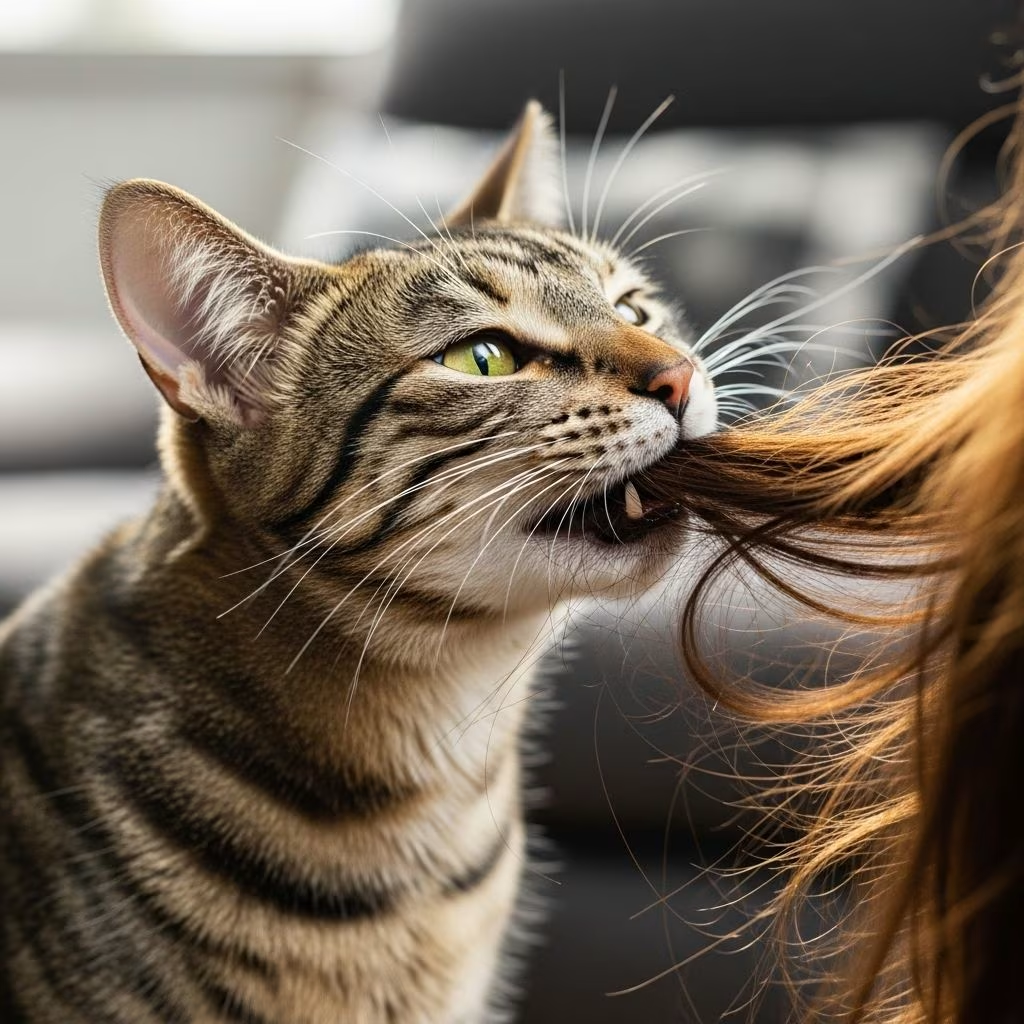
Your cat’s fascination with nibbling or eating your hair can be puzzling, endearing, or even alarming. This behavior, known as allogrooming when mutual, often stems from instinctual feline tendencies but can signal deeper issues like stress or health problems. Understanding the causes helps you address it effectively while strengthening your bond.
In the wild, cats groom each other to reinforce social ties, remove parasites, and distribute scents. Domestic cats extend this to humans they view as family. However, excessive hair consumption poses risks, warranting observation and intervention.
Reasons Why Your Cat Eats Your Hair
Cats exhibit this quirky habit for several reasons, ranging from benign affection to potential medical concerns. Here’s a breakdown of the most common triggers.
1. Affection and Grooming
The primary reason cats eat human hair is **affection**. Cats perform allogrooming—mutual grooming—to bond with family members, showing love and care. If your cat licks or chews your hair, they see you as part of their social group, treating you like a “messy kitten” in need of cleaning.
This behavior targets the head because it’s a heat source and carries your strongest scent from scalp oils (sebum). Your unique “scent signature” reinforces their claim on you as a friend or family member.
- Strengthens relationships within the cat’s “colony.”
- Distributes their scent via cheek glands while grooming.
- Common in cats with strong attachments to owners.
2. Play Behavior
**Play** drives many cats to bite or chew hair, mimicking hunting instincts. Loose strands or your moving hair trigger their pounce-and-chew response, especially in young, energetic cats.
Distinguish chewing (self-soothing) from biting (playful). Playful attacks often occur during interactive moments, providing mental stimulation.
- Simulates prey capture with hair’s movement.
- More prevalent in kittens and bored adults.
- Can escalate if not redirected.
3. Attention-Seeking
Cats are masters of manipulation. Eating your hair guarantees your full attention, rewarding the behavior and encouraging repetition.
Like a toddler’s tantrum, this works because you react—pushing them away or scolding still counts as interaction. Ignore it to extinguish the habit.
- Common when owners are busy or distracted.
- Rubbing or meowing alternatives exist, but hair is effective.
- Breeds dependency if reinforced.
4. Stress and Anxiety
**Stress** turns grooming into a coping mechanism. Indoor cats, limited in natural behaviors like hunting, may overgroom themselves or you to self-soothe.
Triggers include routine changes: new pets, moves, or household shifts. Watch for concurrent signs like urinary issues, aggression, or excessive self-grooming.
- Limited environment heightens vulnerability.
- Grooming deflects overstimulation or aggression.
- Sudden increases signal recent stressors.
5. Early Weaning
Kittens weaned too early (before 8-12 weeks) may develop frustration, anxiety, or stereotypic behaviors like hair chewing.
Without maternal comfort, they seek substitutes later in life, linking hair to soothing nursing memories.
- Ideal weaning: 12 weeks for behavioral health.
- Leads to wool sucking or pica-like habits.
- History from breeders/shelters can confirm.
6. Nutritional Deficiencies or Pica
**Pica**—compulsively eating non-food items—underlies some cases. Causes include anemia, nutritional gaps, or hyperthyroidism (common in seniors).
Hair off the floor signals pica strongly. Accompanied by other symptoms? Vet visit essential.
- Neurological issues or increased appetite possible.
- Rare but serious; rule out medically.
- Balanced diet prevents deficiencies.
7. Attraction to Hair Products or Post-Shower Scent
Freshly washed hair draws cats due to shampoos mimicking catnip (mint, herbal scents) or removing their scent marks.
They “re-mark” you, restoring familiarity. Switch unscented products to test.
- Heat from head post-shower amplifies appeal.
- Fruit/oil scents (olive, avocado) intrigue.
- ⚠️ Toxic products: Avoid ingestion risks.
8. Boredom or Lack of Enrichment
Bored cats invent entertainment. Hair chewing fills stimulation voids in sedentary lives.
Increase playtime, toys, and vertical spaces to mimic wild activities.
Is It Harmful for Cats to Eat Human Hair?
Human hair is non-toxic but indigestible, composed of keratin, sulfur, and lipids cats can’t process.
Risks include:
- Gastric irritation and vomiting from chronic intake.
- Larger hairballs: Finer, longer strands form stubborn masses vs. fur.
- Intestinal blockage: Severe cases require surgery; monitor for lethargy, appetite loss.
Hair often passes in feces or via vomit, but prevention is key.
How to Stop Your Cat from Eating Your Hair
Curbing this requires patience, redirection, and environment tweaks. Combine strategies for best results.
Immediate Deterrents
- Ignore and redirect: No reaction to attention-seeking; offer toys instead.
- Physical barriers: Close doors during sleep; use bitter sprays on hair (pet-safe).
- Grooming alternatives: Provide wool toys or fleece for chewing.
Long-Term Solutions
| Strategy | Why It Works | Implementation Tips |
|---|---|---|
| Enrichment | Reduces boredom/stress | Daily 15-min play; puzzle feeders, cat trees. |
| Diet Check | Addresses pica | Vet-recommended high-quality food; supplements if needed. |
| Stress Reduction | Lowers anxiety grooming | Feliway diffusers; consistent routine; vet for underlying issues. |
| Professional Help | Rules out medical causes | Consult vet/behaviorist if persistent or worsening. |
Track behavior in a journal: frequency, triggers, concurrent symptoms. Improvement in 2-4 weeks signals success.
Why Does My Cat Eat Hair Off the Floor?
Floor hair consumption screams **pica**, indicating nutritional, medical, or compulsive issues. Vacuum diligently and vet ASAP—don’t dismiss as quirkiness.
Why Does My Cat Bite My Hair After a Shower?
Post-shower attacks re-establish scent or chase shampoo aromas. Dry fully; use neutral products; engage in play to distract.
Frequently Asked Questions (FAQs)
Is hair-eating normal for cats?
Occasional nibbling from affection is normal; swallowing large amounts or floor hair isn’t—monitor closely.
Can hair cause blockages?
Yes, larger hairballs risk obstruction. Watch for vomiting, constipation; seek vet if suspected.
When to see a vet?
If sudden onset, weight loss, lethargy, or pica signs present alongside hair-eating.
Will kittens outgrow it?
Many do with maturity and enrichment; persistent cases need intervention.
Is it linked to diet?
Possibly—deficiencies trigger pica. Vet bloodwork confirms.
Conclusion
Your cat eating hair blends love, instinct, and occasional red flags. Proactive management ensures safety and harmony. Prioritize vet checks for abnormalities, enrich their world, and cherish the affection behind those nibbles. With consistent effort, this habit fades, leaving more purrs and less hairballs.
References
- Why Do Cats Eat Human Hair? — Cats.com. 2023. https://cats.com/why-do-cats-eat-human-hair
- Why does my cat eat my hair? — Vet Help Direct. 2023-10-07. https://vethelpdirect.com/vetblog/2023/10/07/why-does-my-cat-eat-my-hair/
- Why Does My Cat Bite My Hair? Love, Play, or Danger? — Lady N Pet. N/A. https://ladynpet.com/us/blog/why-does-my-cat-bite-my-hair/
- Why Do Cats Lick, Chew or Eat Human Hair? — TheCatSite. N/A. https://thecatsite.com/c/cat-eat-and-chew-hair/



