

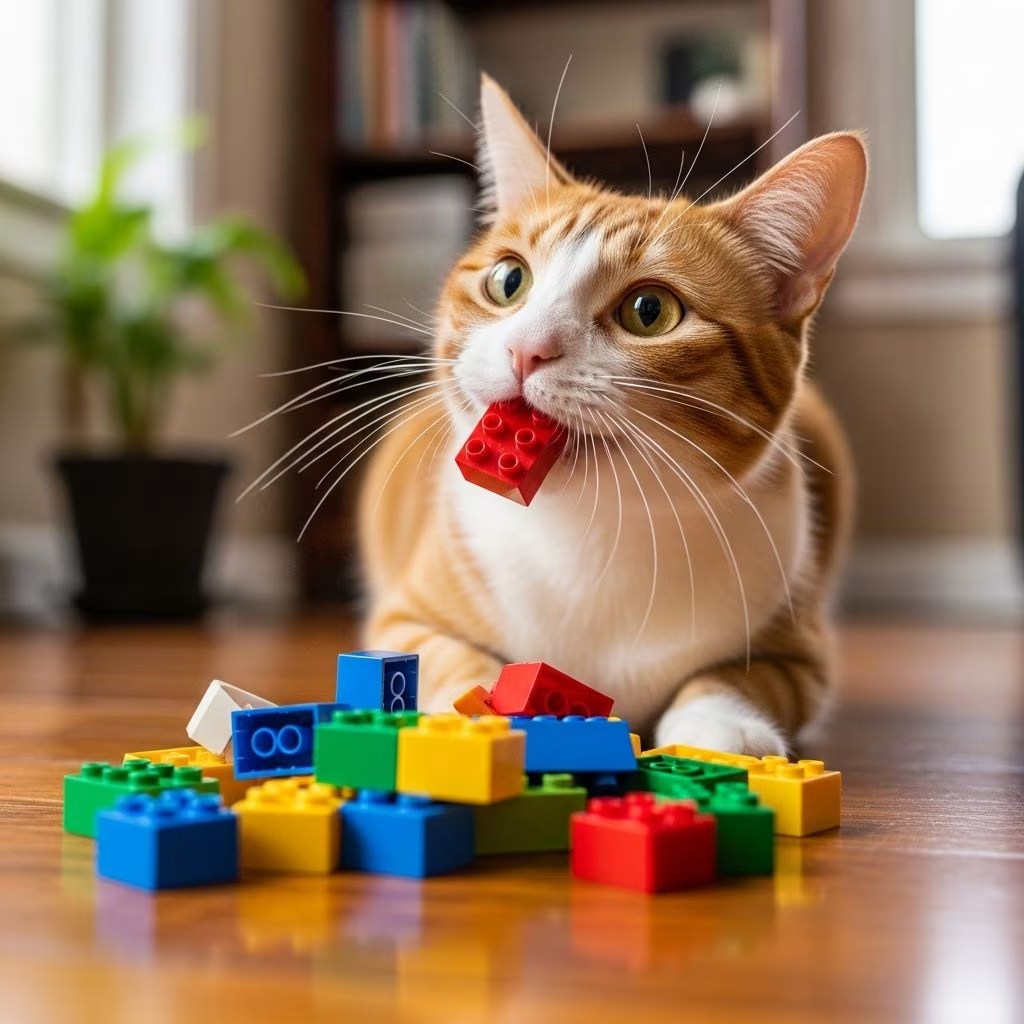
Cats are notorious for their curious nature, often exploring the world through their mouths. While this inquisitive behavior is endearing in kittens, it becomes concerning when adult cats start chewing on non-food items like Legos. These small plastic bricks, beloved by children worldwide, pose significant health risks to felines who ingest them. Understanding why cats eat Legos is crucial for prevention and ensuring your pet’s safety.
This comprehensive guide delves into the behavioral, medical, and environmental factors driving this unusual habit. From pica syndrome to stress-induced chewing, we’ll cover the root causes, immediate dangers, and practical solutions. Whether your cat is playfully batting at Lego pieces or actively swallowing them, knowing the ‘why’ empowers you to intervene effectively.
What Is Pica in Cats?
Pica is an eating disorder characterized by the compulsive consumption of non-nutritive substances such as plastic, fabric, paper, or rubber. In cats, this manifests as chewing and swallowing inedible objects, including Legos. Unlike playful nibbling, true pica involves ingestion, which can lead to life-threatening complications.
Cats with pica may target specific textures or shapes. Legos, with their smooth, interlocking surfaces, appeal to this instinct. Certain breeds like Siamese, Burmese, and Oriental cats are genetically predisposed to wool-sucking and pica behaviors, often linked to early weaning. Kittens separated from their mothers too soon develop these habits as a comfort-seeking mechanism that persists into adulthood.
- Common pica targets: Plastic items (bags, toys like Legos), wool, rubber bands, plants, and electrical cords.
- Age factor: More prevalent in young cats under 2 years, but can affect seniors due to cognitive decline.
- Symptom progression: Starts as chewing, escalates to swallowing if untreated.
Why Do Cats Chew on Legos Specifically?
Legos aren’t random victims of feline curiosity. Their appeal lies in sensory stimulation. The hard plastic provides satisfying resistance when bitten, mimicking prey. The click-clack sound of pieces fitting together mimics hunting noises, triggering play instincts. Additionally, residual scents from human hands—sweat, food odors—make Legos irresistible.
Plastic in Legos often contains animal-derived coatings like gelatin or stearates, which cats instinctively recognize as food-like. This chemical lure explains why cats ignore other plastics but target toys. Environmental factors amplify this: scattered Lego sets create a ‘huntable’ landscape, turning your living room into a feline playground.
Sensory Breakdown
| Sensory Appeal | Why Cats Love It |
|---|---|
| Texture | Smooth yet grippy; teeth sink in satisfyingly. |
| Sound | Crunching and snapping mimic bone-cracking. |
| Smell | Hand oils, food residues, manufacturing scents. |
| Movement | Rolling pieces trigger chase response. |
Underlying Medical Causes of Lego-Chewing
Not all Lego-munching is behavioral. Medical issues often underlie pica-like actions. Nutritional deficiencies, such as anemia or vitamin shortages, drive cats to seek missing elements from non-food sources. Hyperthyroidism causes insatiable hunger, leading to indiscriminate eating. Dental pain from gingivitis prompts chewing for relief.
- Anemia: Iron deficiency mimics hunger for ‘blood-like’ plastics.
- Diabetes: Blood sugar fluctuations increase cravings.
- Hyperthyroidism: Weight loss despite eating; plastic fills the gap.
- Feline leukemia: Weakens immunity, altering appetite regulation.
Rule out these via vet bloodwork. Untreated, they exacerbate ingestion risks.
Behavioral and Environmental Triggers
Stress is a major culprit. Changes like new pets, moves, or babies spike anxiety, prompting comfort-chewing. Boredom in indoor cats leads to destructive habits; Legos provide stimulation lacking in sterile environments. Watch for signs: hiding, litter box avoidance, aggression, excessive grooming.
Kittens explore via mouthing—normal until 6 months. Persistent adult chewing signals issues. Multi-cat homes foster competition for ‘toys’ like Legos.
Dangers of Cats Eating Legos
Ingestion turns play deadly. Legos can lodge in the esophagus, causing obstruction. Symptoms: retching, drooling, pawing at mouth. If passed to stomach, they risk intestinal blockage, requiring surgery. Sharp edges cause internal bleeding; small pieces accumulate as sand-like grit, irritating bowels.
Foreign body transit: 12-24 hours normally, but blockages persist months. Emergency signs: vomiting, lethargy, abdominal pain, no defecation.
What to Do If Your Cat Eats a Lego
- Assess size: Tiny pieces may pass; large ones (>1cm) demand attention.
- Monitor 24-48 hours: Watch stool for pieces; note vomiting.
- Vet immediately if: Gagging, distress, no eating.
- Diagnostic tools: X-rays confirm location.
- Treatment: Endoscopy retrieval or surgery for obstructions.
Never induce vomiting—risks choking.
How to Prevent Your Cat from Eating Legos
Proactive management works best. Store Legos in sealed bins or cat-free zones. Use pet gates for playrooms. Redirect with cat-safe toys: wand teasers, crinkle balls mimicking Lego sounds.
- Enrichment: Puzzle feeders, vertical spaces combat boredom.
- Diet upgrade: Vet-recommended food addresses deficiencies.
- Training: Bitter sprays on temptations; positive reinforcement.
- Stress relief: Pheromone diffusers, routine consistency.
For pica, behaviorists offer tailored plans.
When to See a Vet for Pica Behaviors
Consult if chewing persists >2 weeks, involves swallowing, or accompanies symptoms like weight loss. Vets differentiate pica from normal play via exams, ruling out diseases. Early intervention prevents emergencies.
Frequently Asked Questions (FAQs)
Is it normal for cats to chew on plastic like Legos?
Occasional nibbling is exploratory, but swallowing indicates pica or issues—vet check recommended.
Can a cat pass a Lego without surgery?
Small, smooth pieces often do in 1-2 days; monitor closely. Large ones risk blockage.
How do I stop my kitten from eating Legos?
Supervise, provide alternatives, use deterrents. Train ‘leave it’ commands.
Does cat insurance cover Lego ingestion treatment?
Many policies cover foreign body removal; check for accident coverage.
Are some cats more prone to eating plastic toys?
Yes, Oriental breeds and early-weaned kittens.
References
- Why Do Cats Try to Eat Plastic? — Hill’s Pet Nutrition. 2023. https://www.hillspet.com/cat-care/behavior-appearance/why-do-cats-eat-plastic
- My Cat Ate Plastic. What Do I Do? — Sunset Animal Hospital. 2023. https://sunsetanytime.com/blog/cat-ate-plastic-houston-tx/
- Foreign Objects Stuck In the Esophagus of Cats — PetMD. 2024-01-14. https://www.petmd.com/cat/conditions/digestive/c_ct_esophageal_obstruction
- Pica in Cats: When Is It a Veterinary Emergency? — GSVS. 2023. https://gsvs.org/blog/pica-in-cats-urgent-care/
- How to Train Your Cat to Stop Eating Random Items Around the House — Petfolk. 2023. https://petfolk.com/petfolklore/training-cats-not-to-eat-household-items



