

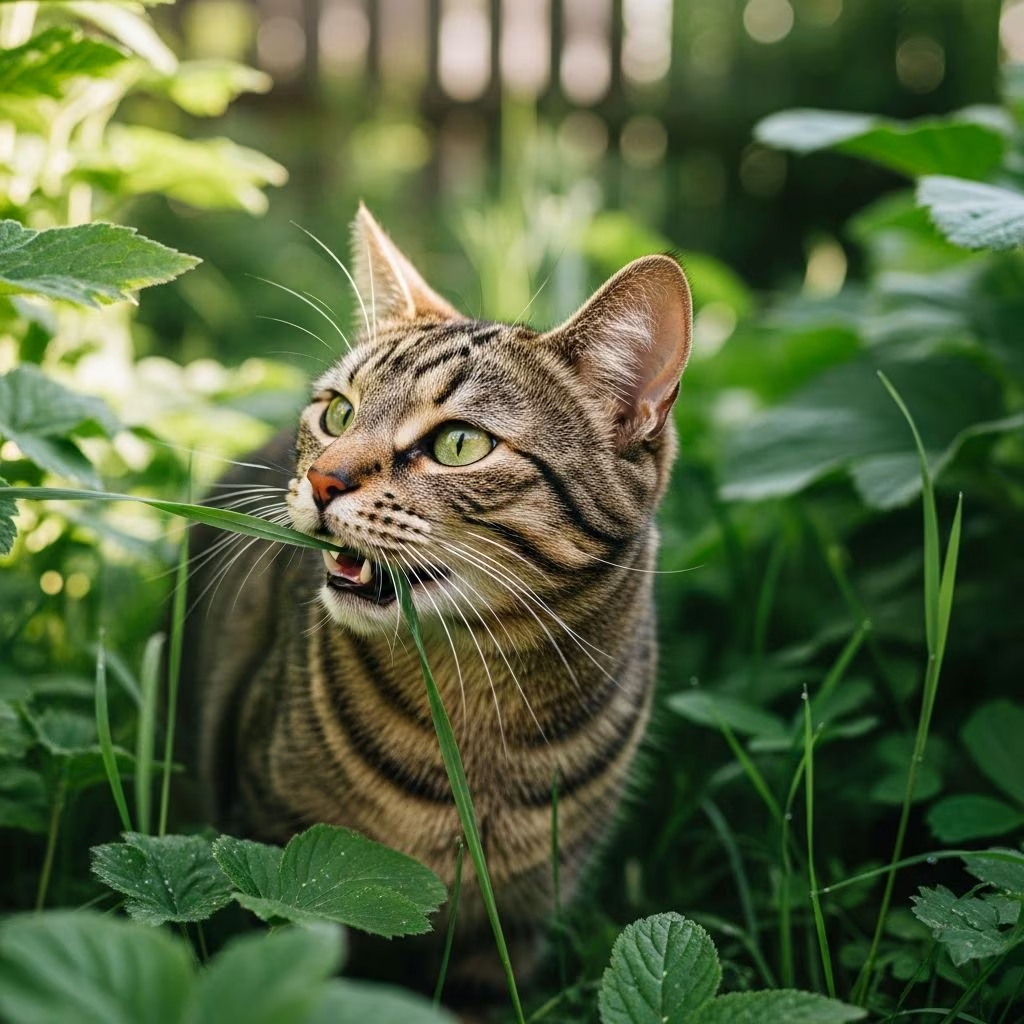
Cats eating grass is a puzzling yet common behavior observed in both indoor and outdoor felines. Far from being a sign of illness, this habit often stems from deep-rooted instincts, digestive needs, and even pleasure-seeking. While domestic cats are obligate carnivores, their ancestors consumed plant matter indirectly through prey, embedding this behavior into their DNA. Understanding why your cat munches on grass can help you support their health without unnecessary worry.
In this comprehensive guide, we’ll explore the science-backed reasons cats eat grass, potential benefits and risks, when to consult a vet, and practical tips for providing safe grass options. Whether your cat heads outdoors or nibbles on houseplants, these insights will demystify the habit.
Is It Normal for Cats to Eat Grass?
Yes, it’s entirely normal for cats to eat grass. Veterinary experts confirm that up to 90% of cats engage in this behavior regularly, regardless of age or health status. Certified cat behaviorist Cristy Brusoe notes that even indoor cats seek out grass equivalents, driven by instinct rather than nutritional deficiency. A 2021 study found no significant difference in grass-eating frequency between long-haired and short-haired cats, debunking myths that it’s solely for hairball relief.
This habit persists because cats cannot fully digest fibrous plants like herbivores can. The grass often passes through undigested or induces vomiting, which is a natural purge mechanism. Indoor cats may turn to houseplants if no grass is available, highlighting the behavioral drive.
Why Do Cats Eat Grass? 7 Common Reasons
Researchers have proposed several theories for grass-eating, blending evolutionary biology, nutrition, and behavior. While no single explanation fits all cats, these reasons cover the most evidence-based motivations.
- Natural Instinct from Wild Ancestors: Wild cats ate entire prey, including stomach contents filled with partially digested vegetation. This provided roughage to expel parasites, bones, feathers, and fur. Domestic cats retain this instinct, using grass to mimic ancestral purging. Younger cats eat more grass, possibly due to lower parasite immunity during growth.
- Digestive Aid and Laxative Effect: Grass acts as a natural laxative, promoting bowel movements and helping pass indigestible items like hairballs. The sharp blades irritate the stomach lining, inducing vomiting to clear blockages.
- Nutritional Supplements: Though carnivores, cats may crave folic acid in grass, which boosts blood oxygen and aids digestion. Fiber adds bulk to stool, preventing constipation.
- Inducing Vomiting for Upset Stomach: Cats self-medicate by eating grass to vomit out irritants like excess fur or spoiled food. This is common after grooming sessions.
- Relieving Stress or Anxiety: Grass-chewing serves as a self-soothing ritual. Studies show reduced stress behaviors post-grass consumption, similar to comfort chewing.
- Boredom and Mental Stimulation: Curious cats nibble grass for entertainment, texture exploration, or play. It’s mentally engaging, especially for understimulated indoor pets.
- It Tastes and Feels Good: The fresh texture and mild flavor appeal to feline senses, turning it into a habitual treat.
Health Benefits of Cats Eating Grass
Grass offers tangible perks for feline digestion and well-being. As a fiber source, it lubricates the intestines, easing hairball expulsion—a chronic issue for grooming-obsessed cats. Folic acid supports red blood cell production, potentially improving oxygen transport.
Behaviorally, it reduces anxiety and provides enrichment, lowering risks of destructive habits like over-scratching. For parasite-prone outdoor cats, grass historically purged worms, though modern preventatives have diminished this need. Overall, occasional grass-eating promotes gut motility and prevents obstructions.
Is Grass Safe for Cats? Potential Risks
Most lawn grass is harmless, but risks exist. Pesticides, herbicides, or fertilizers can cause poisoning, leading to vomiting, diarrhea, or seizures. Urban grass may harbor parasites, fleas, or toxic pollutants.
| Risk Factor | Symptoms | Prevention |
|---|---|---|
| Chemical Exposure | Lethargy, drooling, tremors | Grow organic cat grass indoors |
| Parasites/Toxins | Diarrhea, worms in stool | Keep cat on preventatives |
| Overeating | Excessive vomiting | Monitor portions |
| Houseplant Confusion | Toxicity (lilies, poinsettias) | Remove toxic plants |
Frequent vomiting post-grass (more than 1-2 times weekly) signals GI issues like IBD or obstructions—consult a vet.
When Should You Worry About Cat Eating Grass?
Monitor for red flags: sudden increases in grass-seeking, persistent vomiting/diarrhea, weight loss, lethargy, or blood in stool/vomit. These indicate nausea, allergies, hyperthyroidism, or blockages.
Dr. Maggie Placer notes changes in grass interest may reflect underlying discomfort. Long-haired breeds aren’t more prone, per recent studies. Always rule out dietary deficiencies with a vet check.
How to Stop Your Cat from Eating Grass (If Needed)
- Provide Alternatives: Grow cat grass (wheatgrass/oat grass) in pots—safe, chemical-free, and regrows quickly.
- Enrich Environment: Add toys, scratching posts, and puzzle feeders to combat boredom.
- Deterrents: Use citrus sprays or motion-activated sprinklers on lawns.
- Diet Tweaks: High-fiber cat food reduces hairball needs.
- Vet Visit: For medical causes, deworming or anti-nausea meds help.
How to Grow Cat Grass at Home: Step-by-Step Guide
Indoor cat grass is easy and ideal for apartment dwellers.
- Buy kits with wheat, oat, barley, or rye seeds.
- Soak seeds 12 hours, drain.
- Spread in shallow container with soil; cover lightly.
- Water daily; sprouts in 7-10 days.
- Place in sunny spot; rotate to prevent toppling.
- Harvest outer blades; reseed as needed.
Benefits: Controls access, adds freshness, and entertains. Avoid true wheatgrass if allergies suspected.
Frequently Asked Questions (FAQs)
Why is my cat eating grass and vomiting?
Grass often induces vomiting to purge hairballs or irritants—normal unless frequent. Excessive cases may signal GI upset.
Can all cats eat grass safely?
Most can, but avoid chemically treated lawns. Opt for organic cat grass indoors.
Do cats eat grass because their diet lacks nutrients?
Rarely; commercial foods are balanced. It’s more instinctual than deficiency-driven.
Why do indoor cats crave grass?
Instinct and boredom; provide cat grass to satisfy safely.
Is cat grass the same as lawn grass?
No—cat grass is juvenile grains, milder and safer.
References
- Why Do Cats Eat Grass? — Chino Valley Animal Hospital. 2023-05-15. https://chinovalleyanimalhospital.com/blog/why-do-cats-eat-grass/
- Why Do Cats Eat Grass? — West Loop Veterinary Care. 2024-02-20. https://westloopvet.com/blog/why-do-cats-eat-grass/
- Why Do Cats Eat Grass? Is This Normal? — Chewy Education. 2024-08-10. https://www.chewy.com/education/cat/training-and-behavior/why-do-cats-eat-grass
- Why Do Cats Eat Grass? Is Grass Bad For Cats? — Whisker (Litter-Robot). 2023-11-05. https://www.whisker.com/blog/why-do-cats-eat-grass
- Why Do Cats Eat Grass? — PetMD. 2024-03-12. https://www.petmd.com/cat/general-health/why-do-cats-eat-grass



