

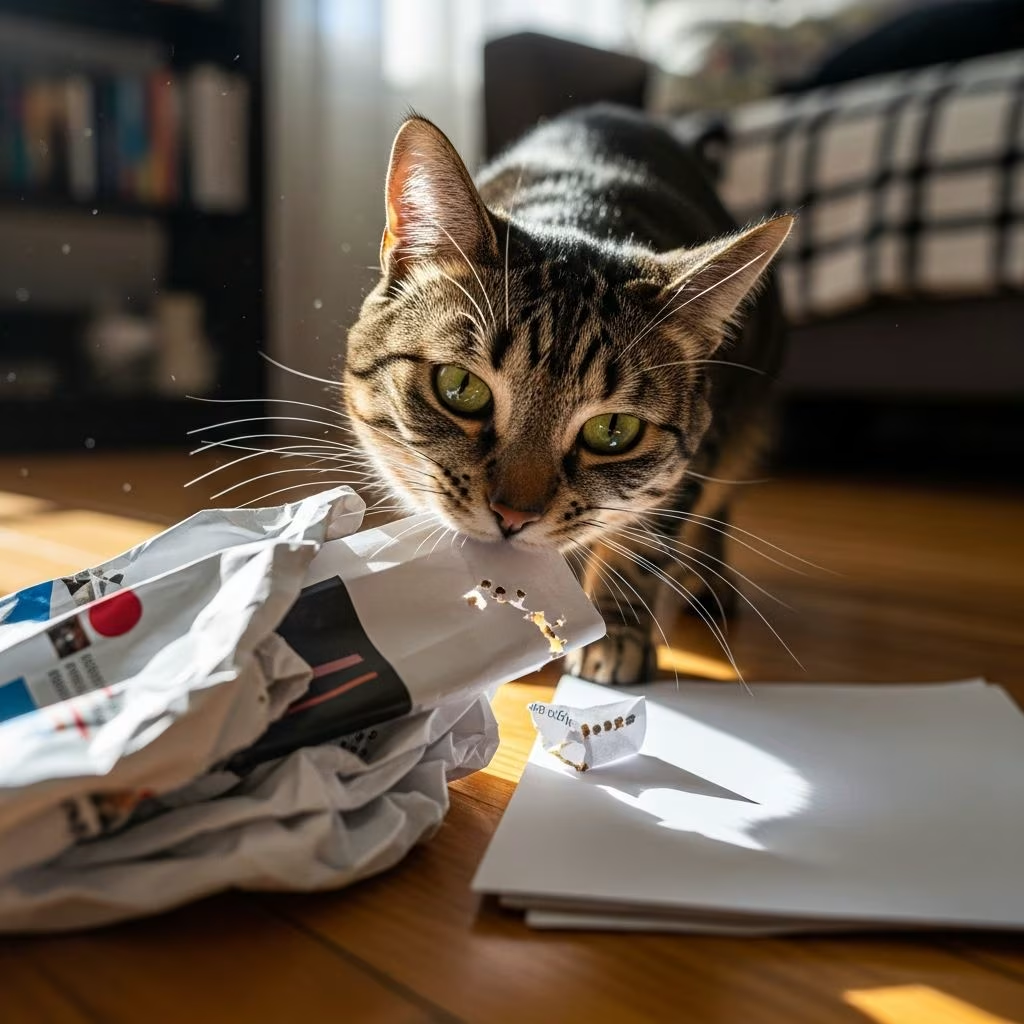
Why Does My Cat Eat and Chew Paper?
If you’ve caught your feline friend gnawing on paper, you’re not alone. Paper chewing is a surprisingly common behavior in cats, leaving many pet owners puzzled about what drives this quirky habit. While occasional paper nibbling might seem harmless or even amusing, understanding the reasons behind this behavior is crucial for protecting your cat’s health and addressing any underlying issues. This comprehensive guide explores the causes of paper chewing in cats and provides practical solutions to manage and redirect the behavior.
Common Reasons Why Cats Chew on Paper
Cats chew on paper for various reasons, ranging from innocent curiosity to signs of serious health concerns. Identifying the root cause is the first step toward effective intervention.
Boredom and Lack of Mental Stimulation
Cats are intelligent animals that require regular mental and physical stimulation to stay satisfied and content. When bored, cats may seek unusual ways to entertain themselves, including chewing on paper. The act of shredding and chewing provides sensory stimulation and gives them something to focus on. Indoor cats, in particular, may be more prone to this behavior if they lack adequate toys, climbing structures, or interactive play opportunities. Providing enrichment activities such as puzzle feeders, interactive toys, and regular play sessions can significantly reduce boredom-related paper chewing.
Playfulness and Prey-Like Stimulation
The crinkly texture of paper can mimic the sounds and movements of prey, triggering a cat’s natural hunting instincts. Cats may swat, pounce on, and chew paper as part of their play behavior, finding the sounds and tactile sensations stimulating and entertaining. This is particularly common in younger, more energetic cats. Understanding that this is a normal part of feline behavior can help owners distinguish between harmless play and concerning compulsive chewing.
Teething in Kittens
Young kittens going through the teething phase may chew on various objects, including paper, to relieve the discomfort and pressure in their gums. Providing appropriate teething toys designed for kittens can help redirect this natural behavior and protect your household items. Teething typically occurs between three to six months of age and is a temporary phase that resolves as adult teeth fully emerge.
Pica: A Serious Behavioral Condition
Pica is a behavioral condition where cats compulsively eat non-food items such as paper, plastic, fabric, rubber, and cardboard. Unlike casual chewing, pica involves actual ingestion of these materials. Several factors can contribute to the development of pica, including boredom, lack of social contact, redirected hunting behavior, genetic predisposition, early weaning, fasting, and even compulsive disorder tendencies. Certain cat breeds, such as Siamese, Burmese, and Oriental cats, appear more genetically predisposed to developing pica behaviors.
Medical and Nutritional Causes of Paper Chewing
While behavioral factors account for many instances of paper chewing, several medical conditions can trigger this behavior and require veterinary attention.
Dietary Deficiencies
Some cats may chew on paper as a signal that their diet lacks essential nutrients. Nutritional deficiencies, particularly anemia or mineral deficiencies, can drive cats to seek alternative sources of nutrition by ingesting non-food items. Cats with anemia, for instance, might lick and eat their litter as their body attempts to compensate for iron deficiency. Consulting with a veterinarian to ensure your cat’s diet meets all their nutritional needs is essential. A high-quality, balanced diet formulated specifically for cats can prevent nutrient-related chewing and support overall health.
Dental Problems
Cats experiencing dental pain, gum disease, or other oral discomfort may chew on paper to alleviate their symptoms. If your cat is chewing paper more frequently than usual, watch for additional signs including excessive drooling, pawing at the mouth, bad breath, or reluctance to eat hard food. These warning signs indicate a need for a professional dental examination and treatment.
Hyperthyroidism
Hyperthyroidism is an endocrine disorder that can cause increased appetite and unusual eating behaviors in cats, including chewing on non-food items. This condition is more common in older cats and requires blood tests for accurate diagnosis. Treatment options range from medication to dietary management, and addressing this underlying condition can help resolve associated behavioral issues.
Gastrointestinal and Digestive Disorders
Some cats with digestive issues might ingest items like paper to relieve nausea or gastrointestinal discomfort. Conditions affecting the digestive system can drive unusual eating behaviors. If your cat is exhibiting signs of digestive distress such as vomiting, diarrhea, or constipation along with paper chewing, veterinary evaluation is crucial.
Psychological Factors: Stress and Anxiety
Paper chewing often serves as a coping mechanism for cats experiencing stress or anxiety. Cats are creatures of habit, and changes in their environment can significantly affect their behavior and emotional well-being. Common stress triggers include moving to a new home, the arrival of a new pet or family member, changes in routine, loud noises, or even rearrangement of furniture. Early weaning from their mother can also predispose cats to develop stress-related behaviors like pica.
Creating a calm, predictable environment is essential for anxious cats. Pheromone diffusers or sprays designed to mimic natural calming pheromones can help cats feel more secure. Additionally, providing safe spaces such as quiet rooms, elevated perches, and hiding spots allows cats to retreat when feeling overwhelmed.
Health Risks Associated with Paper Chewing
While occasional chewing may seem harmless, ingesting paper carries several potential health risks that every cat owner should understand.
Intestinal Blockages
One of the most serious risks associated with paper ingestion is the development of intestinal blockages. If a cat consumes large amounts of paper or other non-food items, these materials can accumulate in the gastrointestinal tract, preventing normal digestion and potentially causing life-threatening complications. Intestinal blockages may require emergency surgical intervention and can result in permanent damage to the digestive system.
Toxic Substances and Chemical Exposure
Many papers contain inks, adhesives, bleach, and other chemicals that can be toxic to cats. Some papers, such as those with glue, labels, tape, or Post-its, pose additional risks. Cardboard and paper products may also contain substances that cause digestive upset or allergic reactions in sensitive cats.
Gastrointestinal Upset
Ingesting paper can cause vomiting, constipation, diarrhea, and other digestive problems. These symptoms may appear immediately or develop over time, making it difficult to connect them to paper ingestion. Chronic digestive issues can lead to malnutrition and dehydration if left unaddressed.
When to Seek Veterinary Care
While occasional paper chewing may not cause alarm, certain situations warrant immediate veterinary attention. Monitor your pet for the following warning signs:
- Persistent or obsessive chewing on paper
- Ingesting large amounts of paper or other non-food items
- Vomiting, diarrhea, constipation, or lethargy
- Loss of appetite or behavioral changes such as increased aggression or withdrawal
- Signs of pain or discomfort during eating or bowel movements
- Abdominal swelling or tenderness
If you notice any of these symptoms, schedule a veterinary appointment promptly to rule out medical issues and prevent potential complications.
Practical Solutions to Stop Paper Chewing
Addressing paper chewing requires a multi-faceted approach tailored to your cat’s specific needs and the underlying cause of the behavior.
Provide Environmental Enrichment
Combat boredom by offering a variety of toys and activities that engage your cat’s natural instincts. Rotate toys regularly to maintain novelty and interest. Interactive toys such as feather wands, laser pointers, and puzzle feeders provide mental stimulation and physical activity. Vertical structures like cat trees and shelves allow cats to climb and explore their environment. Even window perches can provide entertainment as cats watch birds and outdoor activity.
Offer Safe Chewing Alternatives
Redirect your cat’s chewing behavior by providing safe, cat-appropriate materials. Untreated cardboard designed specifically for cats, specialized chew toys, and cat grass can satisfy the urge to chew without the risks associated with household paper. When you catch your cat chewing on paper, calmly redirect them to these safe alternatives and reward them with praise or treats for using appropriate materials.
Ensure Proper Nutrition
Work with your veterinarian to confirm that your cat’s diet meets all their nutritional requirements. A high-quality diet formulated to support feline health can prevent nutrient-related chewing behaviors. Consider discussing options such as prescription diets if your cat has specific health conditions or sensitivities.
Reduce Environmental Stressors
Create a calm, predictable environment for your cat by maintaining consistent routines and minimizing changes whenever possible. Use pheromone diffusers designed to reduce anxiety, provide multiple litter boxes, food and water bowls, and safe spaces throughout your home. If introducing changes is necessary, do so gradually and give your cat time to adjust.
Remove Temptations
Actively manage your cat’s environment by removing or securing paper products and other chewing temptations. Keep paper documents, cardboard boxes, books, and tissue boxes out of reach. This prevents access to items that trigger the chewing behavior and reduces opportunities for your cat to develop stronger habits around paper consumption.
Avoid Punishment
Never scold or punish your cat for chewing paper, as this can increase anxiety and worsen the behavior. Instead, focus on positive reinforcement when your cat engages with appropriate toys and materials. Consistency and patience are essential when addressing paper chewing. Understanding that this is often a symptom of an underlying issue rather than deliberate misbehavior helps foster a more compassionate approach to correction.
When Professional Help Is Needed
If your cat’s paper chewing persists despite your efforts or is accompanied by other behavioral or health concerns, professional guidance becomes necessary. Both veterinarians and certified animal behaviorists can help identify the root cause and develop a comprehensive treatment plan. Veterinarians can rule out medical conditions through physical examination and diagnostic testing, while behaviorists can assess environmental factors and recommend behavior modification strategies. In some cases, medication prescribed by a veterinarian may be necessary to address underlying anxiety or compulsive behaviors contributing to pica.
Frequently Asked Questions About Cat Paper Chewing
Q: Is it normal for cats to chew on paper?
A: Yes, occasional paper chewing is normal for many cats. However, frequent or excessive chewing may indicate boredom, stress, or an underlying medical issue requiring attention.
Q: Can eating paper harm my cat?
A: Yes, ingesting paper can lead to gastrointestinal blockages, digestive upset, and exposure to toxic substances. Always monitor your cat’s behavior and keep paper products out of reach.
Q: Why does my kitten chew on paper?
A: Kittens may chew on paper during their teething phase to relieve discomfort in their gums. Offering appropriate teething toys can help redirect this behavior.
Q: How can I stop my cat from chewing on paper?
A: Provide enrichment activities, safe chew toys, and a balanced diet. Remove paper temptations, address underlying stress or medical conditions, and redirect chewing behavior to appropriate materials.
Q: Should I take my cat to the vet for chewing paper?
A: If your cat is excessively chewing or ingesting paper, or if you notice concerning symptoms, consult your vet to rule out medical or behavioral issues.
Q: Are certain cat breeds more prone to paper chewing?
A: Yes, breeds such as Siamese, Burmese, and Oriental cats appear genetically predisposed to developing pica behaviors.
Q: Can early weaning cause paper chewing?
A: Cats weaned too early may develop wool-sucking behaviors that can progress to actual ingestion of various materials, making proper kitten care important.
References
- Why Does My Cat Chew on Paper? Odd Eating Habits — Dial A Vet. https://www.dialavet.com/blog/why-does-my-cat-chew-on-paper
- Medical and behavioral evaluation of 8 cats presenting with fabric ingestion — PubMed Central, National Institutes of Health. https://pmc.ncbi.nlm.nih.gov/articles/PMC6741829/
- Pica in cats (or when your cat eats anything) — Ziggy Family. https://ziggyfamily.com/en/blogs/cats/pica-in-cats
- Pica in Cats: What It Is, Symptoms, and Treatment — PetMD. https://www.petmd.com/cat/conditions/behavioral/pica-cats
- Pica in Cats: When Is It a Veterinary Emergency? — Garden State Veterinary Specialists. https://gsvs.org/blog/pica-in-cats-urgent-care/



