

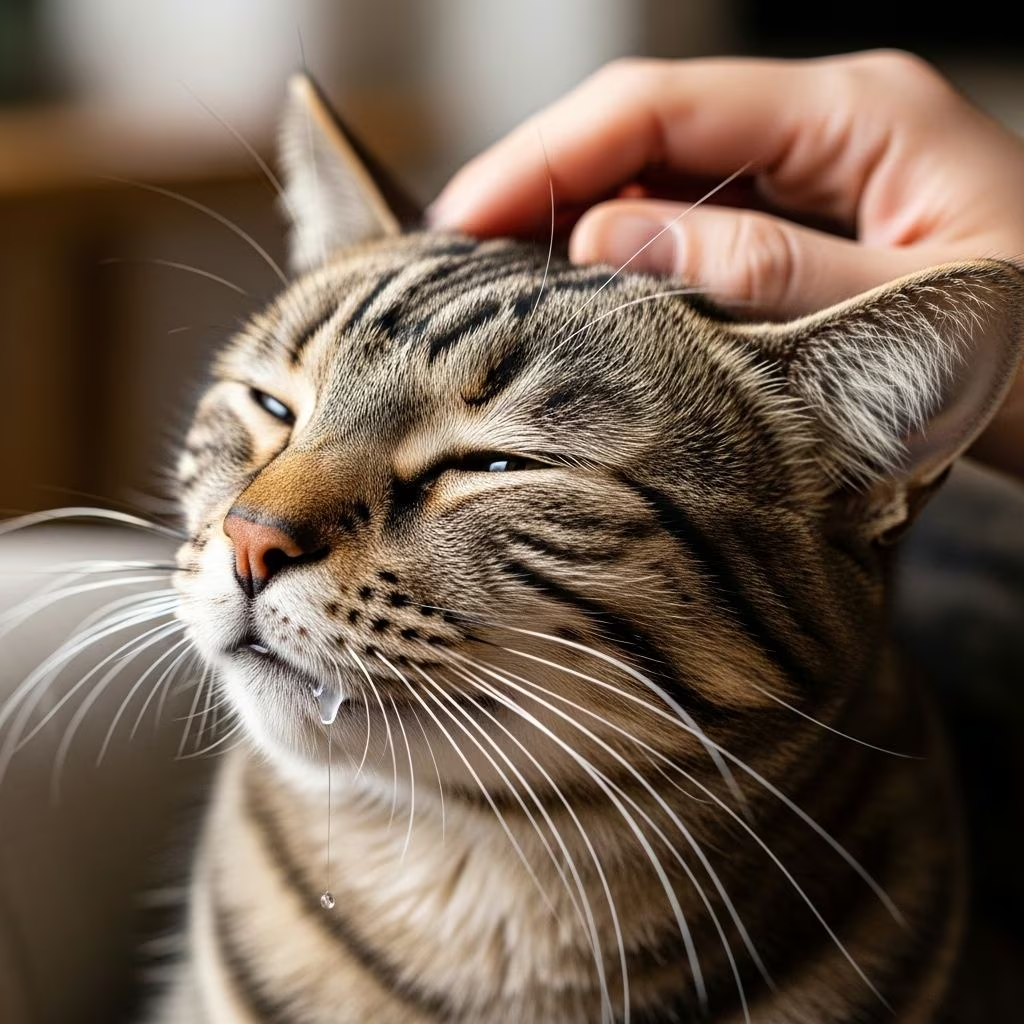
Your cat curls up in your lap, purring contentedly as you stroke their fur, and suddenly you notice a small puddle forming on your pants. **Cat drooling when petted** is a common sight for many owners, often leaving them wondering if it’s normal or a sign of trouble. In most cases, this behavior stems from pure bliss, mimicking kitten nursing responses triggered by endorphins during relaxation.
However, excessive or sudden drooling can signal underlying issues like dental pain, nausea, or stress. Understanding the context—such as whether it’s paired with purring and kneading or accompanied by bad breath and appetite loss—is key to distinguishing bliss from distress. This article explores all possible causes, when to worry, and veterinary insights to keep your feline friend healthy.
Normal Reasons Why Cats Drool When Petted
Many cats exhibit **drooling during petting** as a harmless expression of extreme happiness. This typically occurs in safe, loving environments where your cat feels utterly relaxed.
- Contentment and Relaxation: Cats release endorphins when purring or being stroked, stimulating salivary glands much like during kittenhood nursing. Half-closed eyes, kneading paws, and a rumbling purr often accompany this blissful drool.
- Kitten Behavior Carryover: Kittens drool while nursing from their mother; some retain this into adulthood, associating petting with that comfort.
- Food Anticipation: The smell of treats can prompt salivation, especially if petting happens near mealtime.
Observe patterns: If drooling only happens during cuddles and stops afterward, it’s likely normal. Veterinary sources confirm up to 70% of drooling cases in relaxed settings pose no health risk.
When Cat Drooling Signals a Problem
Not all drool is benign. **Excessive cat drooling** outside petting sessions or with other symptoms warrants attention. Common concerning causes include:
- Dental Disease: Affecting up to 90% of cats, gingivitis, periodontal disease, tooth resorption, or stomatitis cause pain-induced salivation. Look for bad breath, pawing at mouth, or dropped food.
- Nausea or Motion Sickness: Cats drool before vomiting or during car rides due to queasiness.
- Stress and Anxiety: Vet visits or changes trigger stress drool, often with flattened ears or hiding.
- Upper Respiratory Infections: Feline calicivirus or rhinotracheitis leads to drooling with sneezing, congestion, and eye discharge.
- Toxins or Foreign Objects: Ingestion of plants, chemicals, or strings causes oral irritation or nausea.
| Normal Drooling Signs | Concerning Drooling Signs |
|---|---|
| Purring, kneading, relaxed eyes during petting | Constant drool, bad breath, weight loss |
| Stops after petting ends | Accompanied by pawing mouth or refusal to eat |
| No other symptoms | Lethargy, vomiting, swelling |
Understanding the Science Behind Feline Drooling
Saliva production in cats serves digestion, oral health, and thermoregulation. During petting, the limbic system activates pleasure centers, flooding the brain with endorphins that boost saliva as a reflexive response. Studies from veterinary journals note this mirrors human salivation during enjoyable meals.
In pathology, pain or irritation overrides normal controls. For instance, periodontal bacteria inflame gums, prompting hypersalivation to flush irritants—yet it signals infection. Toxins like antifreeze stimulate nausea centers, causing profuse drool.
Dental Health: The Leading Culprit in Problematic Drooling
**Dental issues** top the list for abnormal drooling, with 90% of cats over age 4 affected. Gingivitis progresses to periodontitis, eroding tooth support and causing abscesses. Stomatitis, an autoimmune-like inflammation, makes mouths too painful for eating.
- Symptoms: Bloody saliva, facial swelling, selective eating (soft foods only).
- Prevention: Daily toothbrushing with cat-safe paste, dental diets, professional cleanings every 6-12 months.
Vets recommend annual exams; early intervention prevents extractions. One study found 70% of drooling cats had resolvable dental disease post-treatment.
Stress, Nausea, and Other Medical Causes
Beyond teeth, drool flags systemic issues:
- Medications: Bitter pills or dewormers induce temporary drool.
- Heatstroke: Excessive panting and drool in hot conditions.
- Tumors or Trauma: Rare oral cancers or fractures cause one-sided drool.
- Kidney Disease: Uremia leads to oral ulcers and salivation.
Car rides exemplify stress drool, resolvable with pheromone sprays or anxiety aids.
When to See a Vet for Cat Drooling
Consult a vet if drooling persists >24 hours, is excessive, or includes:
- Halitosis, eating changes, weight loss.
- Vomiting, diarrhea, lethargy.
- Swollen face, blood in saliva.
- Recent toxin exposure or trauma.
Diagnosis may involve oral exams, X-rays, bloodwork. Treatment ranges from antibiotics to surgery. Prompt care improves outcomes dramatically.
How to Help Your Drooling Cat
For normal bliss-drool, embrace it—keep towels handy! For concerns:
- Dental Care Routine: Brush teeth 2-3x weekly; use water additives.
- Diet: Switch to dental kibble reducing plaque by 36%.
- Stress Reduction: Feliway diffusers, playtime, vet-prescribed calmers.
- Monitor: Track drool frequency, diet, behavior in a journal.
Regular checkups catch issues early. Hydration via fountains encourages saliva flow for oral health.
Frequently Asked Questions (FAQs)
Why does my cat drool when I pet him?
It’s usually from happiness—endorphins mimic nursing, causing saliva during purrs and kneading.
Is cat drooling when petted always normal?
No; if constant or with symptoms like bad breath, it may indicate dental disease or nausea.
How do I know if my cat’s drool is from pain?
Pain drool comes with pawing mouth, avoiding food, or swelling—see a vet promptly.
Can stress cause drooling in cats?
Yes, car trips or vets trigger anxiety drool, often stopping post-stressor.
What home remedies stop excessive cat drooling?
Address causes: dental chews for teeth, calm environments for stress—but vet eval first.
References
- Cat Drooling: When It’s Normal and When It’s Not — Pine Grove Veterinary Hospital. 2023-05-15. https://www.pinegroveveterinaryhospital.ca/news/cat-drooling-when-it-s-normal-and-when-it-s-not
- Why Is My Cat Drooling? — PetMD. 2024-08-20. https://www.petmd.com/cat/symptoms/why-my-cat-drooling
- Is Your Cat Drooling? Discover the Causes and Solutions! — Cane Bay Vet Clinic. 2023-11-10. https://canebayvetclinic.com/is-your-cat-drooling-discover-the-causes-and-solutions/
- Cat Drooling Explained: When It’s Normal and When to Worry — Loving Care Animal Hospital. 2024-02-28. https://www.lovingcareanimalhospital.net/cat-drooling-explained/
- When Should You Worry About Your Cat Drooling? — WellPets Animal Dental Care. 2024-06-12. https://www.wellpets.com/blog/when-should-you-worry-about-your-cat-drooling/
- Is Your Cat Drooling? Uncover the Reasons and Solutions! — Central Kentucky Vet. 2024-12-26. https://centralkentuckyvet.com/2024/12/26/is-your-cat-drooling-uncover-the-reasons-and-solutions/
- Why Is My Cat Drooling? 14 Reasons, and When to See a Vet — GoodRx Pet Health. 2025-03-05. https://www.goodrx.com/pet-health/cat/why-is-my-cat-drooling



