

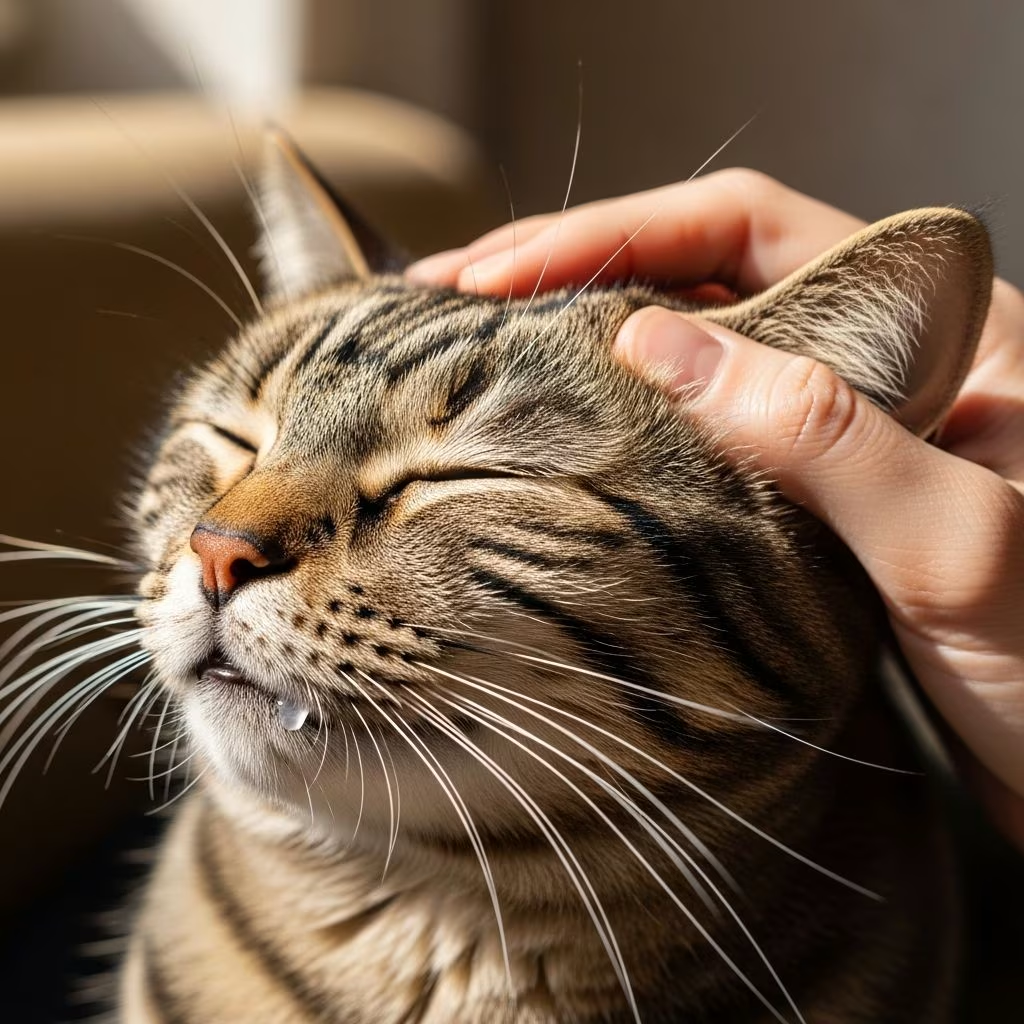
Your cat curls up in your lap, purring contentedly as you stroke their fur, and suddenly you notice a small puddle forming on your pants. Cat drooling when petted is a common sight for many owners, often leaving them wondering if it’s normal or a sign of trouble. In most cases, this behavior stems from pure bliss, reminiscent of kittenhood nursing, but it can also signal underlying health issues like dental pain or nausea. Understanding the context is key to distinguishing harmless dribbles from concerns requiring veterinary attention.
This comprehensive guide breaks down the reasons behind feline drooling, when it’s a joyful quirk, and red flags that demand action. Drawing from veterinary insights, we’ll cover everything from relaxation-induced saliva to serious conditions, helping you keep your cat healthy and happy.
Is It Normal for Cats to Drool When Petted?
Yes, many cats drool during petting sessions as a sign of extreme relaxation and happiness. This is perfectly normal and observed in felines who feel safe and loved. When a cat purrs, kneads, and drools, it’s often releasing endorphins similar to those during nursing as kittens, triggering excess saliva production.
Signs of normal drooling include:
- Half-closed eyes and loud purring
- Kneading paws (making biscuits)
- Drooling only during petting or cuddling
- No other symptoms like bad breath or appetite loss
Context matters: if drooling happens exclusively in these blissful moments, it’s likely benign. Veterinary sources confirm this as a retained kitten behavior in secure adult cats.
Normal Reasons Why Cats Drool When Petted
Contentment and Relaxation
The most common cause is sheer contentment. Petting stimulates pleasure centers, mimicking the comfort of nursing. Cats that start drooling young often continue into adulthood when deeply relaxed. Purring vibrates the salivary glands, increasing saliva flow as a physiological response to endorphins.
Food Anticipation
Cats may drool at the sight or smell of food, even during petting if treats are involved. This reflexive salivation prepares the mouth for eating, much like in humans.
Kitten Nursing Reflex
Many droolers “learned” this as kittens suckling from mom. The kneading motion paired with petting revives the reflex, producing saliva.
These normal scenarios pose no health risk and enhance your bond with your cat.
Concerning Causes of Drooling in Cats
Not all drooling is innocent. Excessive, sudden, or one-sided drooling, especially outside petting, warrants investigation. Here’s when to worry.
Dental Disease and Oral Pain
The top medical cause: periodontal disease, gingivitis, tooth resorption, or stomatitis inflame gums and teeth, causing pain-induced drooling. Cats may paw at their mouth, eat soft food only, or have foul breath.
- Gingivitis: Red, swollen gums.
- Periodontal Disease: Affects 70% of cats over 3 years; leads to bone loss.
- Stomatitis: Severe mouth inflammation; cats may refuse food.
Regular dental checks prevent escalation. Untreated, it leads to abscesses or tooth loss.
Nausea and Motion Sickness
Drooling signals queasiness from hairballs, diet changes, or car rides. Accompanied by lip licking or vomiting attempts.
Stress, Fear, or Anxiety
Unlike happy drool, stress drool comes with flattened ears, hiding, or vocalizing—think vet visits or car trips. Endorphins from stress also boost saliva.
Toxins and Poisons
Household dangers like lilies, antifreeze, or human meds irritate the mouth or cause nausea, prompting heavy drooling. Act fast: call Pet Poison Helpline (855-764-7661).
Medications
Bitter pills or liquids trigger drooling to rinse the taste. Usually temporary.
Heatstroke
In hot environments, panting cats drool from overheating—an emergency.
Other Serious Issues
Foreign objects, fractures, tumors, kidney disease, or infections like calicivirus can cause persistent drool. Watch for weight loss, swelling, or bleeding.
Table: Normal vs. Abnormal Cat Drooling
| Normal Drooling | Abnormal Drooling |
|---|---|
|
|
This table helps quickly assess your cat’s drool.
When to See a Vet for Cat Drooling
Consult a vet if drooling:
- Persists beyond petting
- Is profuse or foul-smelling
- Comes with appetite loss, pawing mouth, or swelling
- Follows toxin exposure or trauma
- Occurs with panting (heatstroke risk)
Early dental cleanings can resolve 80% of pain cases. Diagnostics may include exams, X-rays, or bloodwork.
How to Help a Drooling Cat
- Dental Care: Brush teeth daily; provide dental treats.
- Diet: Switch to dental kibble.
- Stress Relief: Pheromone diffusers, calm environments.
- Monitor: Track patterns in a journal.
- Prevent Toxins: Secure plants/meds.
Annual vet visits catch issues early.
Frequently Asked Questions (FAQs)
Why does my cat drool when I pet him?
It’s usually from happiness and relaxation, with endorphins boosting saliva like during kitten nursing.
Is cat drooling when purring bad?
No, if only during petting and no other signs. Otherwise, check for dental issues.
How do I stop my cat from drooling on me?
You can’t fully stop bliss drool, but use a towel or pet in less damp areas.
Does drooling mean my cat is sick?
Not always—context is key. Persistent drool with symptoms needs a vet.
Can dental disease cause drooling?
Yes, it’s the most common medical cause due to pain and inflammation.
Conclusion
Cat drooling when petted is often a heartwarming sign of trust, but vigilance ensures it’s not masking pain or illness. By observing patterns and acting on red flags, you safeguard your feline’s well-being. Regular vet care keeps drool joyful, not worrisome.
References
- Cat Drooling: When It’s Normal and When It’s Not — Pine Grove Veterinary Hospital. 2023. https://www.pinegroveveterinaryhospital.ca/news/cat-drooling-when-it-s-normal-and-when-it-s-not
- Why Is My Cat Drooling? — PetMD. 2024-06-15. https://www.petmd.com/cat/symptoms/why-my-cat-drooling
- Is Your Cat Drooling? Discover the Causes and Solutions! — Cane Bay Vet Clinic. 2023. https://canebayvetclinic.com/is-your-cat-drooling-discover-the-causes-and-solutions/
- Cat Drooling Explained: When It’s Normal and When to Worry — Loving Care Animal Hospital. 2024. https://www.lovingcareanimalhospital.net/cat-drooling-explained/
- WellPets: When Should You Worry About Your Cat Drooling? — WellPets. 2023-08-10. https://www.wellpets.com/blog/when-should-you-worry-about-your-cat-drooling/
- Is Your Cat Drooling? Uncover the Reasons and Solutions! — Central Kentucky Vet. 2024-12-26. https://centralkentuckyvet.com/2024/12/26/is-your-cat-drooling-uncover-the-reasons-and-solutions/
- Why Is My Cat Drooling? 14 Reasons, and When to See a Vet — GoodRx Pet Health. 2025-01-05. https://www.goodrx.com/pet-health/cat/why-is-my-cat-drooling



