

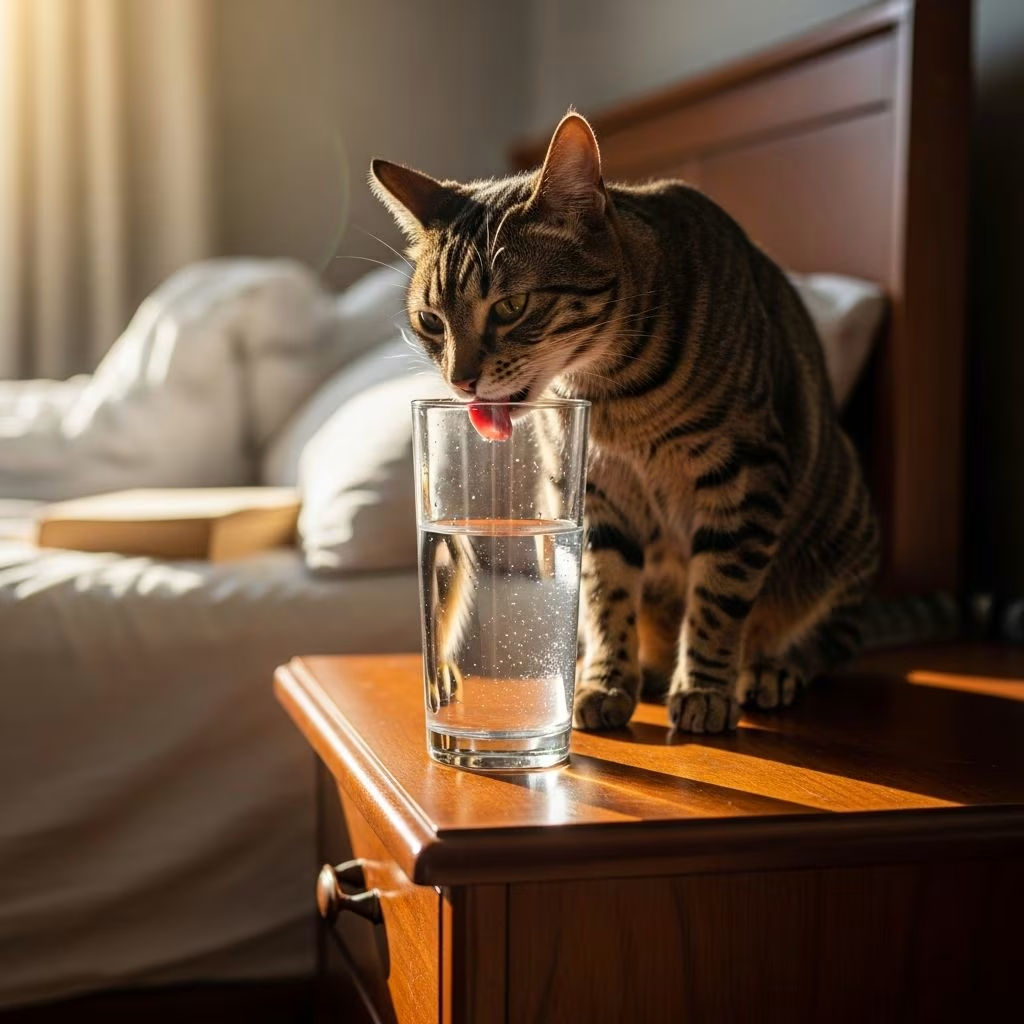
Why Does My Cat Drink Out of My Water Glass?
If you’ve ever sat down with a refreshing glass of water only to find your cat eagerly dipping their nose into it, you’re not alone. Many cat owners experience this quirky behavior where their feline companions seem to prefer drinking from their water glasses over their own bowls. While it might seem like a simple preference, there are actually several fascinating reasons behind this behavior. Understanding why your cat gravitates toward your water glass can help you address any underlying issues and strengthen your bond with your pet.
The Mystery of Your Cat’s Water Glass Preference
Cats are mysterious creatures with complex behaviors that often leave us puzzled. One of the most common questions cat owners ask is why their cats seem obsessed with drinking from human water glasses rather than their designated water bowls. This behavior is far more common than you might think, and it’s rooted in a combination of instinctual, environmental, and health-related factors.
Your cat’s preference for your water glass over their bowl isn’t necessarily a sign of defiance or pickiness—though cats certainly have strong opinions about their preferences. Instead, it often reflects deeper instincts, behavioral patterns, and environmental factors that make your glass appear more appealing than a stationary bowl.
They May Be a Natural Pacifist
Some cats develop a preference for drinking from elevated sources like nightstands or tables as a way to feel more secure and confident. This behavior is particularly common in cats that experienced early social challenges or competed with littermates for resources. If your cat was the smallest in their litter or faced bullying from siblings, they may have learned that drinking from higher locations reduces the risk of confrontation at the water bowl.
Cats that felt vulnerable during their early development often carry these cautious behaviors into adulthood. By drinking from your water glass on a nightstand or table, they gain a psychological advantage—they can see their surroundings more clearly and have a better escape route if threatened. This elevated position also provides a sense of control and safety that a ground-level bowl simply cannot offer.
Additionally, if your cat shares their living space with other pets, the higher location of your water glass eliminates competition. Multi-pet households often experience resource guarding, where one animal dominates access to food and water. By choosing your glass, your cat may be avoiding potential conflicts with more assertive household members.
It’s Part of Their Instincts
Understanding feline instincts is key to comprehending this behavior. In the wild, cats exhibit specific drinking patterns based on survival strategies developed over thousands of years. One of the most significant instincts involves separating drinking locations from eating areas.
Wild cats typically hunt their prey and carry it to a secure location far away from water sources. This behavior serves an important purpose: it prevents other predators from detecting their kill through the scent of blood mixed with water. By keeping eating and drinking areas separate, wild cats protect their food supply and reduce the risk of attracting competing predators.
This ancient instinct is still hardwired into your domestic cat’s DNA. Many cats instinctively prefer to drink water away from where they eat, and your water glass perfectly satisfies this instinct. Located far from their food bowl—often in a different room entirely—your glass represents the ideal drinking location from an evolutionary perspective. Your cat may simply be following millions of years of genetic programming.
Beyond the eating-drinking separation, cats also prefer moving water sources in nature. Stagnant water can harbor bacteria and parasites, while flowing water from streams and rivers is fresher and cleaner. This preference for moving water may explain why some cats are fascinated by running water from faucets or fountains, and why they might perceive your freshly-poured water glass as more appealing than water that’s been sitting in a bowl.
They Are Dehydrated or Sick
While behavioral reasons explain many cases of cats drinking from water glasses, it’s crucial to consider health factors as well. If your cat has suddenly increased their water glass drinking or shows other changes in behavior, medical issues could be the underlying cause.
Several health conditions cause cats to become excessively thirsty and drink more water than usual. Common feline health issues associated with increased thirst include:
- Kidney disease: One of the most prevalent health conditions in senior cats, kidney disease impairs the kidneys’ ability to concentrate urine, leading to increased thirst and urination
- Diabetes mellitus: This metabolic disorder affects your cat’s ability to regulate blood sugar and often results in excessive drinking and urination
- Hyperthyroidism: This condition, common in older cats, increases metabolism and causes increased appetite, thirst, and weight loss despite eating more
- Urinary tract infections: These infections can increase your cat’s thirst and cause changes in bathroom habits
- Dehydration: Cats eating primarily dry food diets may become dehydrated, triggering increased water-seeking behavior
If you notice your cat drinking significantly more water than before, experiencing changes in litter box habits (more frequent urination, changes in urine color), showing signs of lethargy, or displaying other behavioral changes, schedule a veterinary appointment promptly. Your veterinarian can perform necessary tests to rule out underlying health conditions and provide appropriate treatment if needed.
Additionally, the type of food your cat eats influences their hydration levels. Cats fed primarily dry kibble require more water to stay properly hydrated compared to cats eating wet food, which has a higher moisture content. If your cat has recently switched to a drier diet, increased water-seeking behavior may be a normal, healthy response to their changing nutritional intake.
It Could Just Be a Matter of Picky Kitty Preference
Let’s be honest: cats have strong opinions about their preferences, and water bowl choices are no exception. Your cat might simply prefer your water glass for entirely practical reasons that have nothing to do with complex instincts or health concerns. Cats can be particular about water temperature, bowl material, bowl location, and even the freshness of the water itself.
Here are common reasons related to simple preference:
- Temperature preference: Your freshly-poured water is typically cooler than water that’s been sitting in a bowl, and many cats prefer cold water
- Bowl material sensitivity: Some cats dislike drinking from plastic or ceramic bowls, finding the taste or texture unpleasant. They may have whisker sensitivity when their sensitive facial whiskers touch the edges of narrow bowls
- Water freshness: Your cat perceives your water glass as fresher since they see you regularly drinking from it and refilling it
- Height preference: Cats may find elevated water sources more comfortable than ground-level bowls, reducing strain on their necks and spines
- Location preference: Your cat might simply prefer the location of your glass over their bowl’s current placement
If this is the case with your cat, try experimenting with different bowl types, materials, and locations. Stainless steel bowls are often preferred over plastic, and elevated feeders designed for cats can mimic the height advantage of your water glass. You might also try placing the water bowl in a different location—closer to where your cat spends most of their time, or farther away from their food bowl to satisfy their instinct to separate eating and drinking areas.
Whisker Sensitivity Can Be a Factor
Many cat owners overlook whisker sensitivity when discussing bowl preferences, but it’s a significant factor for many felines. Cats’ whiskers are extremely sensitive sensory organs filled with nerve endings, providing crucial information about their environment and physical boundaries. When cats’ whiskers touch the sides of narrow or deep bowls while drinking, it can feel uncomfortable or irritating.
This whisker sensitivity, known as whisker fatigue, can cause cats to avoid their regular water bowls in favor of wider, shallower containers like your water glass. The wide opening of a typical drinking glass allows your cat to drink without their whiskers making contact with the sides, providing a much more comfortable drinking experience.
If whisker sensitivity is the issue, switching to wider, shallower water bowls or ceramic plates can make a significant difference in your cat’s drinking habits. Some cat owners find success with wide, shallow saucers or specially designed water bowls that accommodate cats’ whisker sensitivity.
The Role of Curiosity and Exploration
Cats are naturally curious creatures, and anything that catches their human’s attention is automatically interesting to them. If you regularly drink from your water glass and your cat observes this behavior, the glass becomes an object worthy of investigation. Your cat’s logic is simple: if you’re enjoying it, there must be something special about it.
This exploratory instinct drives much of your cat’s behavior around your water glass. Each time you fill it, your cat notices. When you bring it to your lips, they observe. This behavior makes your glass an intriguing mystery waiting to be solved, and your cat approaches it with the same investigative spirit they apply to new toys, cardboard boxes, or unfamiliar sounds in the house.
Social Bonding Through Shared Experiences
Drinking from your water glass can also represent a form of social bonding for your cat. By consuming water from the same glass you drink from, your cat participates in a shared experience with you. This behavior reflects their perception of you as a family member or packmate, making the activity a way of reinforcing your bond.
In multi-cat households, cats often engage in affiliative behaviors like grooming each other and sharing spaces. Drinking from your glass may be your cat’s way of including you in similar bonding rituals, treating you as part of their family unit.
Practical Solutions for Managing the Behavior
If your cat’s water glass drinking bothers you, several practical solutions can redirect their attention to more appropriate sources:
- Provide fresh water sources: Keep your cat’s water bowl filled with fresh, cool water and change it multiple times daily
- Invest in a cat water fountain: Moving water appeals to cats’ natural preferences and encourages more frequent drinking
- Upgrade bowl types: Try wide, shallow bowls or consider elevated feeders designed for cats
- Experiment with locations: Move the water bowl away from the food bowl and try different areas of your home
- Use filtered water: Filtered water may taste fresher and more appealing to your cat
- Maintain proper hydration: Especially for cats eating dry food, ensure they’re getting adequate moisture through their diet
- Schedule veterinary check-ups: Regular wellness exams help catch any underlying health issues early
Frequently Asked Questions
Q: Is it safe for my cat to drink from my water glass?
A: Yes, it’s generally safe for your cat to drink from your water glass as long as the water is clean and fresh. However, if you’re concerned about hygiene or prefer they not do this, the solutions mentioned above can help redirect the behavior.
Q: Why does my cat only drink from my glass and not anyone else’s in the household?
A: Your cat may have bonded with you specifically and finds comfort in your scent. They might also have observed that you refill your glass more frequently or prefer the location where you typically keep it.
Q: Should I be concerned if my cat suddenly starts drinking more water?
A: A sudden significant increase in water consumption warrants a veterinary visit to rule out health conditions like kidney disease, diabetes, or hyperthyroidism.
Q: Can whisker fatigue really affect my cat’s water bowl preference?
A: Yes, whisker sensitivity is a real issue for many cats. Switching to wider, shallower bowls often resolves water bowl avoidance issues related to whisker fatigue.
Q: Will a cat water fountain help redirect my cat from drinking from my glass?
A: Yes, many cats prefer running water from fountains, which appeals to their instinct to seek fresh, moving water sources. This can be an effective way to redirect the behavior.
References
- Why Does my Cat Drink From my Water Glass instead of their bowl? — Karla’s Pet Care. https://karlaspetcare.com/whydoesmycatdrinkmywater/
- Why Do Pets Love Drinking Water from Their Owners’ Cups? — Own Pets. https://ownpets.com/blogs/learn/why-do-pets-love-drinking-water-from-their-owners-cups
- Why Does My Cat Like To Drink From My Water Glass? — Your Pet’s Wellbeing. https://www.yourpetswellbeing.com/p/why-does-my-cat-like-to-drink-from-my-water-glass



