

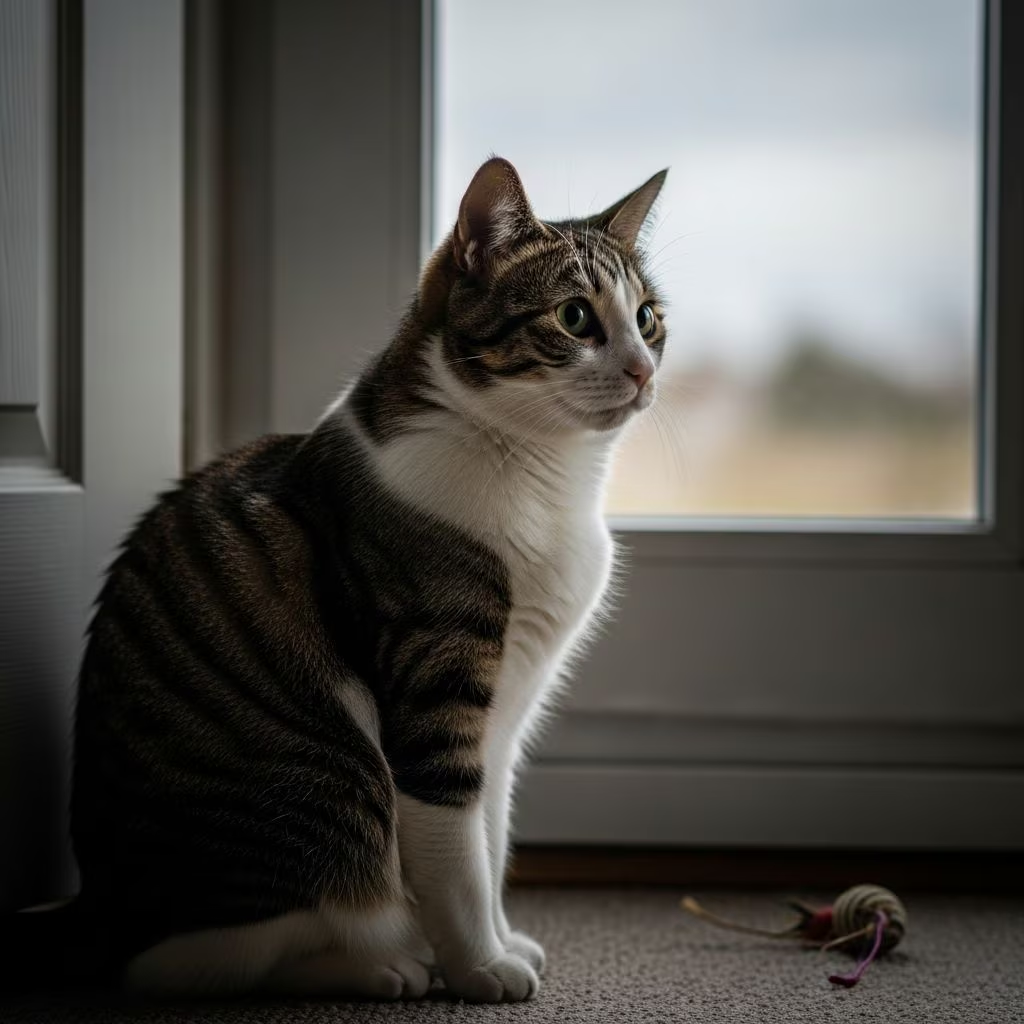
Your cat’s mournful cries as you head out the door can tug at your heartstrings. This behavior often stems from **separation anxiety**, a common issue where cats feel distressed when apart from their primary caregiver. Unlike the myth of cats being aloof, they form deep bonds and crave companionship, leading to vocal protests when left alone.
Understanding this helps you address the root cause, improving your cat’s well-being and reducing stress for both of you. This guide covers signs, causes, solutions, prevention, and FAQs based on veterinary insights.
Signs of Separation Anxiety in Cats
Separation anxiety manifests in noticeable behaviors, especially around departure times. Cats may start meowing excessively as you grab your keys, follow you closely, or block the door. These actions signal discomfort with solitude.
Monitor your cat with a pet camera to observe alone time. Common **signs of separation anxiety** include:
- Excessive vocalization: Loud meowing, yowling, or crying when you leave or prepare to go.
- Inappropriate elimination: Urinating or defecating outside the litter box due to stress.
- Over-grooming: Excessive licking leading to hair loss or skin irritation.
- Destructive behavior: Scratching furniture or knocking items over.
- Hyper-attachment: Clinginess to one person, like following them everywhere.
- Appetite changes: Not eating or binge eating while alone.
- Restlessness or hiding: Pacing, inability to settle, or retreating to hidden spots.
- Other signs: Vomiting, carrying toys in mouth, or escape attempts.
These behaviors vary by cat but cluster around alone time. If multiple signs appear, separation anxiety is likely.
What Causes Separation Anxiety in Cats?
Several triggers spark this anxiety. Cats thrive on routine; disruptions unsettle them. Major changes like moving, new family members, or routine shifts (e.g., returning to office work post-remote) provoke cries.
Traumatic events such as vet visits, boarding, rehoming, or loss of a companion heighten vulnerability. Predisposing factors include:
- Limited socialization: Early weaning, orphaning, or bottle-feeding increases risk.
- Indoor-only lifestyle: Single cats with one caregiver lack stimulation.
- No prior alone time: Cats unused to solitude panic when first left.
- Genetic or past trauma: History of abandonment or stress during kittenhood (2-8 weeks).
- Recent changes: New baby, pet, death, or schedule shifts.
Indoor cats centered on one human are prime candidates, as their world revolves around you.
How to Help a Cat with Separation Anxiety
Managing separation anxiety requires patience and consistency. Start with desensitization: Gradually increase alone time from minutes to hours. Practice departures without leaving—pick up keys, open door, then stay.
Enrich their environment to build confidence:
- Interactive toys: Puzzle feeders, treat balls for mental stimulation.
- Vertical spaces: Cat trees, shelves for exploration.
- Comfort items: Worn clothing with your scent.
Exercise before leaving: 15-20 minutes of play tires them out, promoting sleep. Pheromone diffusers (Feliway) mimic calming scents. Calming supplements like L-theanine or CBD (vet-approved) help some cats.
| Strategy | How It Helps | Tips |
|---|---|---|
| Desensitization Training | Builds tolerance to absences | Start with 1-5 min; reward calm behavior |
| Environmental Enrichment | Reduces boredom/stress | Rotate toys; add window perches |
| Pheromones/Supplements | Calms chemically | Consult vet; use diffusers daily |
| Exercise Routine | Releases endorphins | Play sessions morning/evening |
| Companion Pet | Provides social outlet | Introduce slowly if adding cat |
For severe cases, consult a vet to rule out medical issues or prescribe anti-anxiety meds.
Preventing Separation Anxiety in Cats
Prevention starts young. Kittens need gradual alone time training from 8 weeks. Expose them to short separations, rewarding calm with treats.
For adults:
- Acclimate to routines early.
- Provide multi-level enrichment.
- Avoid over-dependence; encourage independence.
- Use pet sitters for practice absences.
Multi-cat homes or dog companions reduce risk, distributing attention. Regular vet check-ups catch issues early.
Is It Separation Anxiety or Something Else?
Not all crying means anxiety. Rule out:
- Hunger/Thirst: Feed before leaving.
- Medical pain: UTI, hyperthyroidism cause vocalization.
- Boredom: Lack of stimulation mimics anxiety.
- Heat cycles: Unspayed females yowl.
Vet exam first; video behavior for diagnosis.
Frequently Asked Questions (FAQs)
Do cats get separation anxiety?
Yes, cats can suffer separation anxiety, forming strong bonds and distressing when alone, contrary to independence myths.
Why does my cat only cry when one person leaves?
Your cat views that person as primary caregiver, heightening attachment.
How long does cat separation anxiety last?
It can be lifelong but manageable with training; improvement in weeks to months.
Can another pet help my anxious cat?
Often yes, providing companionship, but introduce gradually.
Should I punish my cat for crying?
No; punishment worsens anxiety. Use positive reinforcement.
What if home remedies fail?
See a vet for meds or behaviorist referral.
Addressing your cat’s cries fosters a happier home. Consistent efforts yield calmer separations.
References
- Cat Cries When Husband Leaves — Cats.com. 2023. https://cats.com/cat-cries-when-husband-leaves
- Separation Anxiety in Cats – 7 Signs & 9 Ways to Help — Sploot Vets. 2023. https://www.splootvets.com/post/separation-anxiety-in-cats-signs-symptoms-ways-to-help
- How to Manage Cat Separation Anxiety — Chewy. 2023. https://www.chewy.com/education/cat/health-and-wellness/please-dont-go-how-to-manage-separation-anxiety-in-cats
- Separation Anxiety — The Ohio State University Indoor Pet Initiative. 2023. https://indoorpet.osu.edu/cats/problem-solving/separation-anxiety
- Separation Anxiety in Cats — ASPCA Pet Health Insurance. 2023. https://www.aspcapetinsurance.com/resources/separation-anxiety-in-cats/
- 8 Signs of Separation Anxiety in Cats — Hickory Vet. 2023. https://www.hickoryvet.com/services/cats/blog/8-signs-separation-anxiety-cats-and-what-do-about-them
- Cats and Separation Anxiety — Cats Protection. 2023. https://www.cats.org.uk/cats-blog/does-my-cat-have-separation-anxiety



