

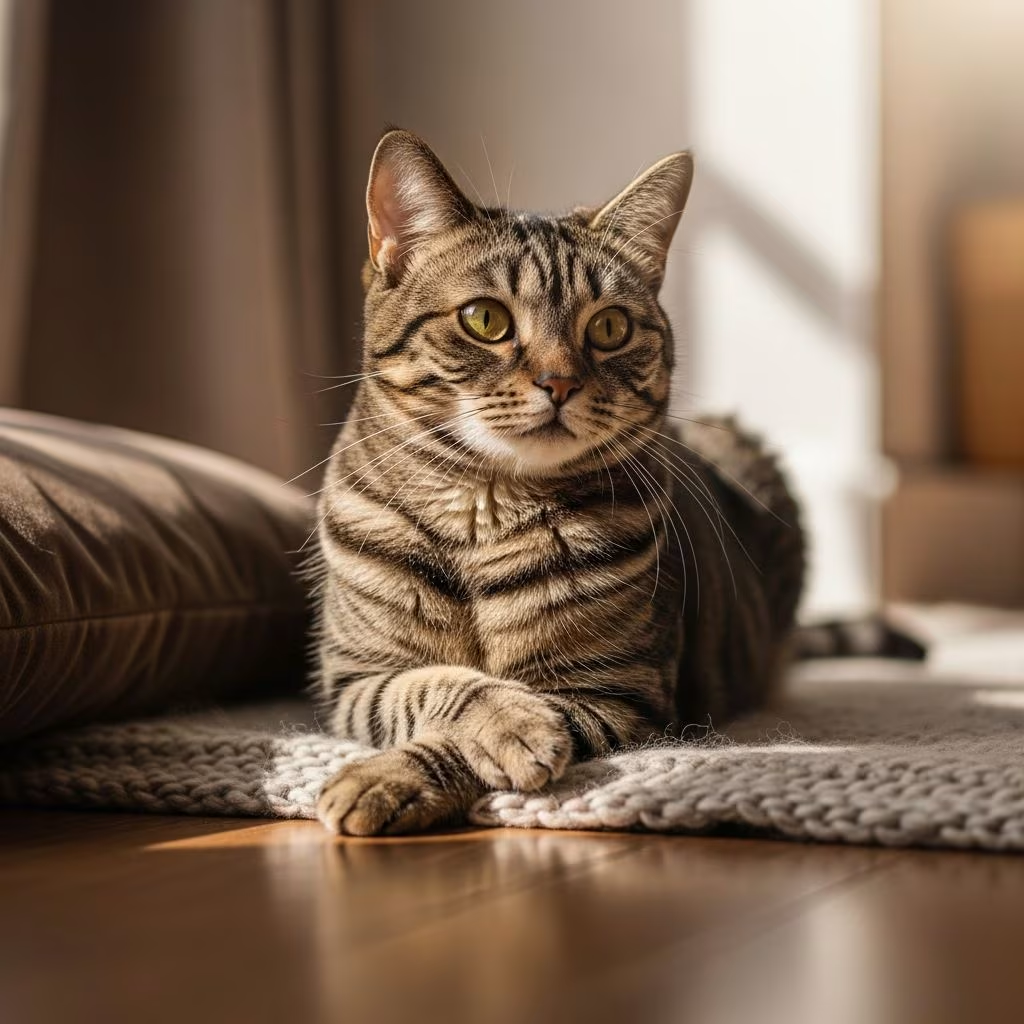
Cats crossing their front paws is a common and endearing sight that many pet owners notice. This behavior often signals that your feline friend is feeling relaxed, content, and secure in their environment. As natural predators, cats must remain vigilant, but crossing their paws indicates they feel safe enough to unwind without immediate readiness to spring into action.
This posture can occur while sitting, lying down, or even preparing for a stretch. Understanding it helps strengthen the bond between you and your cat by recognizing their emotional state. In this comprehensive guide, we delve into the primary reasons cats exhibit this behavior, drawing from expert observations of feline body language.
What Does It Mean When a Cat Crosses Their Front Paws?
When a cat deliberately crosses one front paw over the other, it’s typically a positive indicator of comfort. This position makes it slightly harder for them to jump up quickly, underscoring their trust in their surroundings. Cats in the wild rarely adopt such vulnerable postures unless they feel utterly safe.
Observe your cat: if their body is loose, eyes half-closed, and tail still, they’re likely basking in relaxation. This mirrors how humans might cross their legs while lounging—pure bliss without tension.
Reasons Why Cats Cross Their Front Paws
Several factors contribute to this charming habit. Below, we outline the most common explanations, supported by feline behavior insights.
1. They’re Relaxing
One of the top reasons cats cross their front paws is simple relaxation. When happy and ready for a nap, they adopt this position to unwind without fully lying down. It allows them to rest while keeping a subtle watch on their environment—perfect for a light snooze.
- They stretch out comfortably before settling.
- Soft purring accompanies the posture.
- Ears remain neutral, not pinned back or forward aggressively.
This crossed-paw loaf is especially common on soft surfaces like beds or your lap, where they feel cozy.
2. They Trust You
A crossed-paw position screams trust. Cats that feel secure around their humans will lounge luxuriously, paws nonchalantly crossed. Stressed cats sit upright and alert; relaxed ones prioritize comfort over escape readiness.
- Slow blinking at you, a sign of affection.
- Rolling over to expose their belly.
- Sleeping near or on you without hesitation.
If your cat crosses paws upon your arrival, it’s their way of saying, “You’re family.”
3. They’re Really Comfortable
Comfort drives many cats to cross paws while lying on their front or side. It relieves elbow pressure and provides a soft paw as a chin rest—fluffy and warm. Certain breeds, like Maine Coons with their large paws, favor this for extra coziness.
This position enhances overall relaxation, often seen after play or grooming sessions when muscles are loose.
4. They’re Preparing for a Stretch
Cats often cross paws when lying on their side, gearing up for an indulgent stretch. This might happen as you enter the room, followed by rolling onto their back—a display of pure contentment.
The cross stabilizes their front end, allowing a full-body extension that feels heavenly after rest.
5. They Have a Neurological Problem
While mostly benign, persistent paw crossing while walking can signal ataxia—a neurological issue causing uncoordinated movement. This sensory ataxia stems from spinal cord pressure (tumors, slipped disks), vestibular problems, or cerebellar issues.
Accompanying symptoms include:
- Knuckling toes.
- Wobbly gait.
- Drowsiness or head tilt (Vestibular Syndrome).
If observed during movement, consult a vet promptly. Toxins or lesions may also contribute.
Why Does My Cat Cross Their Paws Over Their Face?
Beyond front paws, cats sometimes cross paws over their faces—a super cute variant. This follows stretches and serves practical purposes.
- Blocking sunlight: Paws shield eyes from bright rays during naps, like a natural eye mask.
- Warming the nose: In cold weather, paws (with fur tufts) keep faces toasty, especially for short-tailed breeds.
It’s instinctual self-care, enhancing sleep quality.
What Does It Mean When a Cat Folds Their Paws?
Folding paws under the body resembles crossing and indicates similar comfort. Known as “loafing,” it tucks paws warmly against the chest for quick stand-up access while conserving heat.
Loafing vs. crossing:
| Position | Purpose | Alertness Level |
|---|---|---|
| Crossed Paws | Relaxation, trust | Moderate (visible paws) |
| Folded/Loafing | Warmth, rest | High (quick escape) |
Both show security but vary by preference.
Breeds Prone to Crossing Paws
Some breeds naturally cross paws more:
- Maine Coons: Large, fluffy paws make crossing comfy; tails aid face-warming.
- Ragdolls: Relaxed demeanor leads to frequent loafing/crossing.
- Persians: Prefer sedentary poses for comfort.
However, any cat can do it if content.
When to Worry About Paw Crossing
Rarely problematic, but watch for:
- Crossing only during walking.
- With lethargy, imbalance, or appetite loss.
- Sudden changes in established behavior.
Early vet checks prevent issues like spinal problems.
How to Encourage Positive Paw Crossing
Promote this sign of happiness:
- Provide cozy spots (cat beds, windowsills).
- Engage in play to tire them out.
- Use pheromone diffusers for calm.
- Slow-blink back to build trust.
Frequently Asked Questions (FAQs)
Why does my cat cross their front paws when I pet them?
It’s a response to comfort and trust, showing they enjoy your touch and feel safe.
Is paw crossing a sign of pain?
Usually not, but if paired with limping or reluctance to move, vet evaluation is needed.
Do all cats cross their paws?
No, but relaxed, trusting cats do it often. Personality and breed influence frequency.
Can kittens cross paws?
Yes, from young age if comfortable, mimicking adult relaxation signals.
What if my cat crosses paws aggressively?
Rare; typically relaxation. Defensive crossing (with ears back) signals stress—give space.
Bottom Line
Your cat crossing front paws is mostly a delightful sign of relaxation, comfort, and trust in you. It reflects a happy home environment where they can let guard down. Cherish these moments, but monitor for walking issues indicating health concerns. By understanding this behavior, you’ll better attuned to your cat’s needs.
References
- Why Is Your Cat Crossing Their Front Paws? 5 Possible Reasons — Hepper. 2023. https://articles.hepper.com/why-is-your-cat-crossing-their-front-paws/
- Cats Crossing Paws: Sign of Contentment & Trust — Catster. 2023. https://www.catster.com/cat-behavior/why-does-my-cat-cross-their-front-paws/
- Why Does My Cat Cross Their Front Paws? — VetRanch (DeviantArt). 2022. https://www.deviantart.com/vetranchorg/journal/Why-Does-My-Cat-Cross-Their-Front-Paws-954014073



