

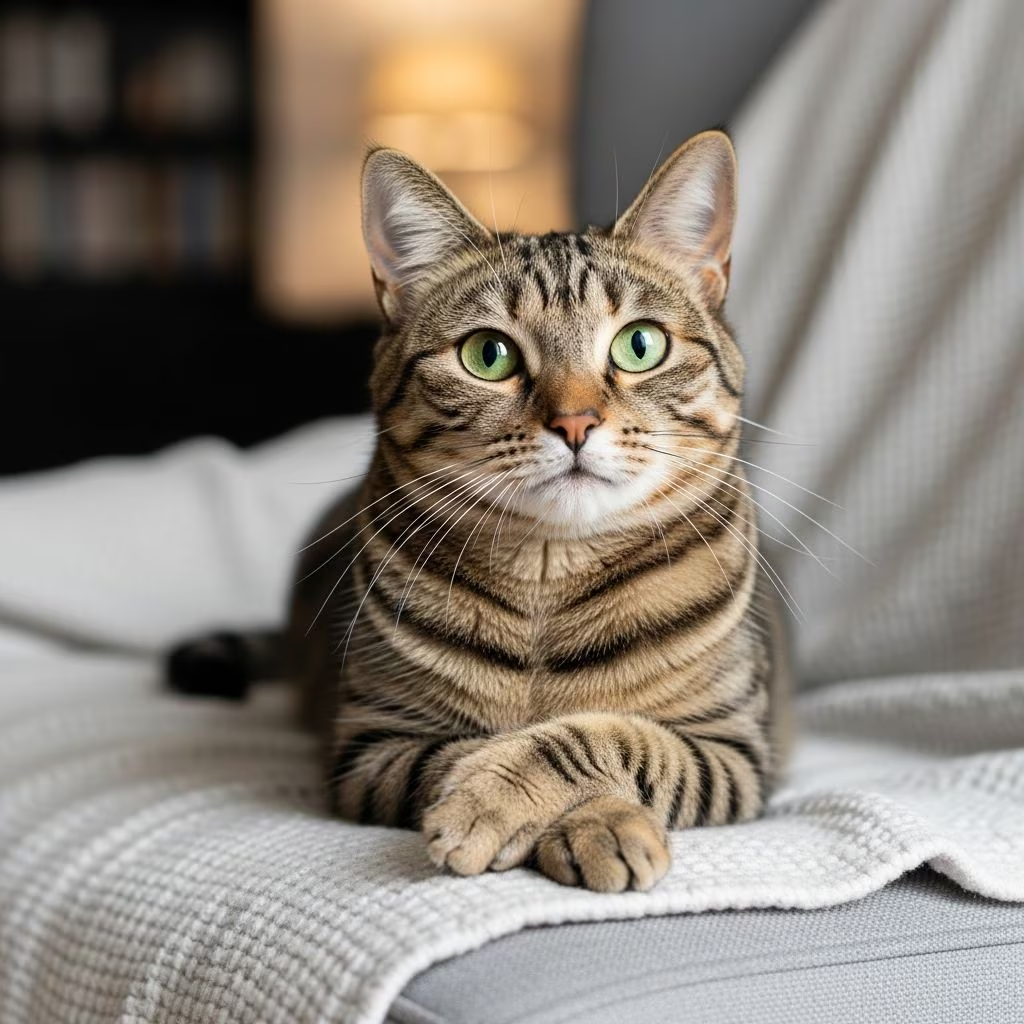
Why Does My Cat Cross Their Front Paws?
Cats are curious creatures with a rich repertoire of behaviors that can sometimes puzzle their owners. One particularly adorable behavior that many cat owners notice is when their feline companion crosses their front paws. This seemingly simple gesture actually carries significant meaning and can reveal a lot about your cat’s emotional state and comfort level. Whether your cat is lounging on the couch or settling down for a nap, crossed paws are one of the clearest indicators that your cat is content and trusts their surroundings.
Understanding your cat’s body language is essential for building a stronger bond with your pet. When your cat stretches one paw forward and lays the other paw over the top, crossing them in that adorable way, they’re communicating something important about how they feel. This behavior is far more meaningful than it might appear at first glance, and learning to interpret it can help you better understand your feline friend’s emotional needs and comfort level.
Your Cat Is Relaxing and Content
One of the most common reasons cats cross their front paws is because they are in a relaxed and content state. When cats feel safe and comfortable in their environment, they often adopt this pose as a way to unwind without lying down completely. This position allows them to remain somewhat alert while still showing that they’re at ease. Cats that are relaxed, happy, and ready to sleep will sometimes cross their paws in front of them, creating a posture that is both comfortable and visually endearing.
When your cat crosses their paws while relaxing, you’ll typically notice several accompanying signs that confirm their contentment:
- They stretch out and have a snooze
- They purr softly and contentedly
- Their ears are in a relaxed position, not held forward or back on their heads
- Their tail may be wrapped around their body or relaxed on the ground
- Their eyes may be half-closed or slowly blinking
This relaxation posture is perfect for cats who want to remain somewhat alert and monitor their surroundings without standing or lying down completely. The crossing of paws can either be a deliberate choice or purely accidental, but either way, it’s an unmistakable sign of a content cat. For many cat owners, seeing their pet with crossed paws is one of the most rewarding aspects of cat ownership, as it clearly demonstrates that their feline companion is happy and comfortable.
Your Cat Trusts You and Their Environment
Cats are naturally cautious animals with strong survival instincts. Because cats are predators, they need to be quick on their feet and ready to jump into action at a moment’s notice. If their paws are folded or crossed, they feel stable and secure enough to relax and not be on high alert. The fact that your cat is willing to cross their paws—a position that would slow them down if they needed to escape quickly—is a powerful indicator of trust. A cat that is stressed or doesn’t feel safe won’t be able to relax into this position and will often sit upright and alert instead.
A happy cat that trusts its environment and the people around it will often lounge luxuriously, sometimes with its paws crossed nonchalantly in front of them. Crossed feet are trickier to jump up from if a cat needs to escape or run, so it’s a sure sign of trust if your cat is cross-legged in this way. Your cat is essentially saying, “I feel safe enough here that I don’t need to be ready to flee at a moment’s notice.” This is one of the highest compliments a cat can give to their owner.
You can confirm that your cat trusts you and feels safe by looking for these additional signs:
- They slow blink at you (the “slow-blink”), which cat behaviorists recognize as a sign of affection
- They roll onto their backs and show their bellies
- They sleep around or next to you
- They rub their head on you or other objects in your home
- They greet you at the door when you come home
- They seek your lap as a place to rest
When your cat crosses their paws in your presence, they’re demonstrating a level of vulnerability and trust that should be cherished. This behavior is a direct result of your cat feeling secure in your care and confident that their environment is safe.
Your Cat Is Really Comfortable
Comfort is another major reason why cats cross their front paws. If your cat is lying on their front or side and their paws are crossed, it’s very likely that this position simply feels good to them. Cats are known for their flexibility and their ability to find the most comfortable positions, and crossing their paws may be one way they achieve optimal comfort. Some cats might cross their paws because they like the feeling of it or because they can take the pressure off their elbows. By crossing their paws, cats can distribute their weight more evenly and reduce strain on their joints.
Cats that cross their feet might also rest their chin on the top paw as it serves as a fluffy and warm headrest, making a comfy position much more enjoyable. This is particularly common in long-haired cats or breeds with particularly plush fur. The softness of their own fur provides a cozy resting place that many cats find irresistible. Additionally, cats may cross their paws to create a more compact body position, which can help them conserve body heat and feel more secure in their resting spot.
You might notice your cat returning to the same spot repeatedly if they’ve found it particularly comfortable with their paws crossed. This is completely normal behavior and suggests that your cat has discovered an ideal resting position that allows them to relax fully while still feeling secure.
Your Cat Can Cross Paws While Folding Them
It’s important to understand the distinction between crossing paws and folding paws, as cats often do both and they carry similar meanings. Cats fold their paws underneath themselves for the same reason they cross them—they’re comfortable and feel safe. Cats use a few different sitting or lying positions when they want to relax and unwind, and folded paws are one of the most popular choices.
When a cat folds their paws underneath themselves, having their paws tucked underneath them offers a comfy way to rest while allowing them to stand up quickly if necessary. This way of sitting also provides warmth since their paws are comfortably tucked next to their chests, nestled in warm fur. This behavior is often referred to as “loafing” because cats may resemble a loaf of bread when observed from the top, with their body compact and their paws hidden beneath them.
The differences between crossed and folded paws include:
- Crossed paws: One paw is visible on top of the other, creating an X-like appearance
- Folded paws: Both paws are tucked underneath the body, creating a compact loaf-like shape
- Both positions indicate comfort, trust, and contentment
- Both positions allow for quick movement if needed
- Folded paws tend to provide more warmth retention
Why Does My Cat Cross Their Paws Over Their Face?
Another common variation of paw crossing is when cats cross their paws over their faces. Cats often cross their paws over their faces in the cutest way when lying down, and this behavior can follow a long stretch of the front legs. When cats cross their paws over their faces, they’re typically doing so for practical reasons rather than emotional ones. Cats will cover their faces with their paws for several specific reasons.
The first reason is to block sunlight from hitting their faces. If a cat is trying to nap in a ray of sunlight, the sun can annoy them and prevent them from sleeping. Covering their eyes with their paws keeps the light from their faces and can help them sleep better. This is similar to how people use eye masks when they want to nap during the day. Many cat owners notice their cats doing this in sunny windows, creating an adorable picture of a cat protecting itself from the elements.
Another common reason is to keep their noses warm in cold weather. Most cats will curl up and use their tails to cover their faces in the cold, but cats that may not have the longest tail can substitute their tails with their paws. Paws are warm and often have tufts of fur between the toes, so they are effective at keeping noses and mouths toasty. This is especially common in cats during winter months or in homes that aren’t as warm as the cat might prefer.
Additional reasons why cats cover their faces with crossed paws include:
- Blocking out stimulation when overwhelmed
- Creating a sense of security and enclosure
- Reducing sensory input when tired
- Enjoying the warmth and comfort of their own fur
- Creating a dark space for better sleep
Potential Health Concerns
While most instances of paw crossing are completely benign and indicate a happy, content cat, there are some situations where crossed paws might signal a health concern. If your cat is walking around and its paws keep crossing in an uncoordinated, wobbling way, it might have a neurological problem. This condition is called ataxia (sensory ataxia, to be precise), which is unfortunately caused by pressure on the spinal cord from tumors, slipped disks, or problems with the vestibular system.
Causes of ataxia and related neurological issues that might result in abnormal paw crossing include:
- Cerebellar issues affecting balance and coordination
- Ingestion of toxic substances
- Other lesions on the spinal cord
- Vestibular system disorders
- Head trauma or injury
The fact that your cat is walking with its paws crossed in a wobbling manner doesn’t always mean there’s a serious issue with their spine or brain, but it’s essential to get them checked out by a veterinarian. There are usually other signs something is wrong in addition to walking with its front paws crossed, which can include:
- Knuckling of the toes (where the knuckles drag on the ground)
- Wobbling gait or loss of coordination
- Drowsiness or lethargy
- Head tilt (common in Vestibular Syndrome)
- Loss of balance
- Nausea or vomiting
- Unusual eye movements
If you notice your cat displaying any of these symptoms along with abnormal paw crossing, it’s important to schedule a veterinary appointment as soon as possible. Early detection and treatment of neurological issues can make a significant difference in your cat’s quality of life and prognosis.
Understanding Your Cat’s Body Language
Cats communicate through a complex system of body language signals, and understanding these signals is crucial for any cat owner who wants to build a strong relationship with their pet. Paw crossing is just one of many behaviors that cats use to communicate their emotional state. By learning to read these signals, you can better respond to your cat’s needs and provide them with the care and attention they require.
Context is important when interpreting your cat’s behavior. A cat crossing their paws while relaxed on the couch means something very different from a cat that’s crossing their paws while displaying other signs of stress. Always consider the full picture of your cat’s body language, including tail position, ear orientation, eye dilation, and overall posture.
Most cats are more likely to adopt the paw-crossing position than others. Some breeds, such as Maine Coons, are known for their tendency to cross their paws and other relaxation behaviors. However, some cats might not even mean to cross their paws deliberately—most felines simply fall into the position and stay there just because of how comfortable it is.
Frequently Asked Questions
Q: Is paw crossing a sign that my cat is happy?
A: In most cases, yes. When your cat crosses their paws while relaxed and showing other signs of contentment, it indicates they are happy, comfortable, and trusting of their environment. However, always consider the full context of your cat’s body language.
Q: Why does my cat cross their paws when I’m around?
A: Your cat is likely showing you that they trust you and feel safe in your presence. This is a compliment to you as their owner and indicates that your cat is comfortable enough to relax around you.
Q: Can paw crossing indicate a medical problem?
A: While relaxed paw crossing is normal, if your cat is crossing their paws in an uncoordinated way while walking or showing other signs of distress, it could indicate a neurological issue. Contact your veterinarian if you notice this behavior along with other concerning symptoms.
Q: Do all cats cross their paws?
A: Not all cats cross their paws regularly, but most cats are capable of doing so when they’re comfortable and relaxed. Some cats may prefer other relaxation positions, such as the loaf position with folded paws.
Q: What’s the difference between crossed paws and folded paws?
A: Crossed paws appear as one paw over the other in an X formation, while folded paws are tucked underneath the body. Both indicate comfort and trust, though folded paws provide more warmth retention.
Q: Should I be concerned if my cat is always crossing their paws?
A: If your cat frequently crosses their paws while showing other signs of contentment, there’s no reason for concern. This is a positive sign that your cat is comfortable and happy. However, if the paw crossing is accompanied by unusual movements or other behavioral changes, consult your veterinarian.
References
- Why Is Your Cat Crossing Their Front Paws? 5 Possible Reasons — Hepper. 2025. https://articles.hepper.com/why-is-your-cat-crossing-their-front-paws/
- Why Does My Cat Cross Their Front Paws? Does This Mean They Trust You? — Catster. 2025. https://www.catster.com/cat-behavior/why-does-my-cat-cross-their-front-paws/



