

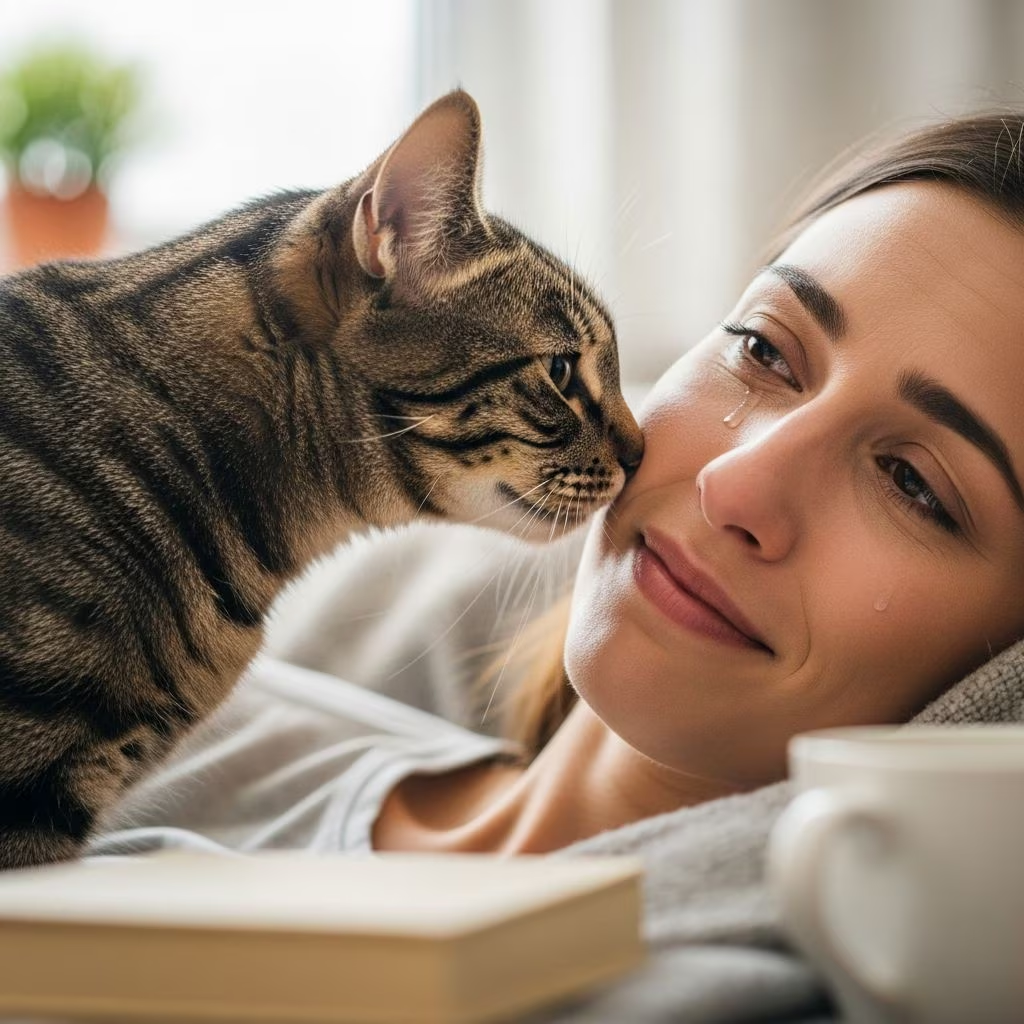
Why Does My Cat Comfort Me When I Cry?
We’ve all experienced those challenging days when we simply need a good cry. Whether dealing with stress, loss, or overwhelming emotions, the experience can feel isolating. However, pet owners rarely face these difficult moments alone. Our feline companions are remarkably perceptive creatures that notice when we’re struggling emotionally. In short, cats comfort us when we cry because they can tell we’re upset.
Cats form strong emotional bonds with their owners, and these connections include the ability to recognize and respond to human emotions. Research has demonstrated that cats are sensitive to our moods and can distinguish between different emotional cues, including crying. While cats may not respond to emotions as consistently as dogs, they demonstrate a surprising capacity for empathy and emotional awareness. Studies show that cats even increase their interactions with humans who are experiencing depression, suggesting a deliberate attempt to provide support.
Understanding why your cat exhibits comforting behavior when you cry requires examining how cats perceive human emotional states. Cats rely on multiple sensory channels to detect distress, including changes in vocal patterns, body language shifts, and alterations in your breathing patterns. When you cry, everything your cat has come to know about your normal behavior changes, capturing their attention and triggering a compassionate response.
How Cats Detect Your Emotional Distress
Cats possess remarkable perceptiveness and can pick up on subtle emotional cues from their owners. They accomplish this through careful observation of behavioral changes and environmental shifts. When you’re experiencing emotional turmoil, your cat detects these signals through multiple sensory pathways.
Your vocal patterns change dramatically when you cry. The pitch, tone, and frequency of your voice shift from your normal baseline, and cats recognize these acoustic changes as indicators of distress. Additionally, your body language transforms—your posture may become slumped, your movements slower, and your overall demeanor noticeably altered. Cats observe these physical manifestations carefully and interpret them as signs that their human requires support.
Breathing patterns also shift during emotional episodes. The regularity and depth of your breathing change when you’re upset, and cats can detect even the smallest variations in these patterns. Combined with visual observations of tears and facial expressions, these multiple signals work together to communicate your emotional state clearly to your feline companion.
The Science Behind Feline Empathy
Scientific research supports the notion that cats actively attempt to comfort you when you cry because they understand you’re experiencing distress. Unlike the popular perception of cats as aloof and uncaring, studies reveal that cats are highly attuned to human emotions and capable of responding with genuine empathy.
Cats are incredibly sensitive to changes in their owner’s emotional states. They notice when someone is depressed, anxious, or upset, and research indicates they modify their behavior accordingly. This emotional sensitivity appears to be hardwired into feline psychology, suggesting that comforting behavior represents an instinctive response rather than learned behavior.
The bond between a cat and its owner creates the foundation for this empathetic response. Cats that have developed secure attachments to their owners demonstrate stronger emotional responses to their owner’s distress. This attachment-based empathy drives cats to seek physical proximity and offer comfort when they perceive their human companion struggling.
The 5 Ways Cats Comfort You When You Cry
Cats employ various strategies to comfort their owners during emotional distress. Each method represents a distinct way your feline companion communicates care and attempts to provide solace. Understanding these five primary comfort mechanisms helps you appreciate the depth of your cat’s emotional investment in your wellbeing.
1. Purring
Purring represents one of the most recognizable comfort behaviors cats employ. While many people assume a cat’s purr indicates happiness, the reality is more nuanced. Cats also purr to soothe themselves when experiencing pain or stress. This dual-purpose vocalization serves as a self-soothing mechanism and simultaneously provides comfort to others nearby.
When your cat purrs beside you during emotional distress, they’re offering more than just a pleasant sound. Research suggests that the frequency of a cat’s purr possesses soothing and healing properties for humans. The vibrations created by purring have measurable calming effects on your nervous system, reducing stress hormones and promoting relaxation. When you’re sad, the sound of your cat purring represents one of the most comforting auditory experiences available. These vibrations create a physical sensation that can help ground you in the present moment and provide temporary relief from emotional pain.
2. Cuddling and Physical Proximity
In addition to purring, cats comfort you by cuddling, lying on your lap, or allowing you to hold them close. Living with a pet can significantly improve the mood of people dealing with depression and anxiety. Physical contact between you and your cat creates a mutually beneficial experience where both parties receive comfort and emotional support.
If you’re crying in bed or on the couch, your cat might join you for sleep on a comfortable surface. While your cat may be seeking a cozy spot, their presence carries profound emotional significance. The warmth of their body, the softness of their fur, and the security of their companionship all contribute to a sense of being cared for. Physical proximity reduces cortisol levels (stress hormones) while increasing oxytocin (the bonding hormone), creating measurable improvements in your emotional state.
Cats demonstrate remarkable sensitivity to your physical needs during these moments. They may position themselves to maximize contact with your body, lean into you more deliberately than usual, or adjust their positioning to accommodate your emotional posture. These subtle adjustments show that your cat is consciously attempting to provide maximum comfort.
3. Following You Around
Some cats are famous for never granting their owners a moment of solitude. Maine Coon cats and similar affectionate breeds are known for following their humans from room to room, even into the shower. However, even less clingy cats often exhibit this behavior intensified when their owners are experiencing emotional distress.
If your cat typically maintains more independence, you might notice them sticking closer than usual when you’re sad or upset. This shift in behavior demonstrates conscious awareness of your emotional state and a deliberate decision to provide support through presence. Your cat may not be a natural snuggler, but they’re doing their best to be there for you during your time of need.
Having your cat close to you during emotional moments serves multiple psychological functions. Their presence reminds you that you have another living creature depending on you and requiring care. This responsibility can boost your mood by shifting your focus toward nurturing another being, which provides both distraction and purpose. Additionally, the simple knowledge that your cat cares enough to remain near you offers emotional reassurance.
4. Eye Contact and Slow Blinking
Cats use their eyes and eye movements as sophisticated communication tools. Research suggests they employ slow blinking to communicate with trusted humans. When your cat narrows their eyes and performs slow blinks in your direction, they’re conveying positive emotions and expressing affection.
When you cry, your cat may make direct eye contact and narrow their eyes at you as a comfort mechanism. Slow blinking functions as a feline expression of love and care, a way for cats to tell their owners they value and support them. This eye communication represents a deep level of trust and emotional connection.
You can reinforce this communication by responding with your own slow blinks. When your cat demonstrates this behavior, try slowly closing your eyes for a moment while maintaining soft eye contact. Most cats will recognize and respond positively to this reciprocated gesture, deepening the emotional bond between you. This interactive eye communication creates a meaningful moment of connection during times of emotional vulnerability.
5. Bringing You Toys and Playfulness
Your cat may attempt to comfort you by bringing you toys and initiating play sessions. If you have an outdoor cat, they may escalate this behavior by bringing you prey they’ve captured. While these gestures might seem unusual as comfort mechanisms, they represent your cat offering some of their favorite things to cheer you up.
From a cat’s perspective, play and favorite possessions hold tremendous value. By offering these items to you, your cat is essentially sharing what brings them joy, hoping that the same items might lift your spirits. This behavior demonstrates a genuine attempt to address your sadness through the resources available to them.
Playing with your cat during emotional distress serves multiple therapeutic functions. It provides distraction from sadness by redirecting your attention toward an engaging activity. Play establishes routine and structure during chaotic emotional moments. Additionally, the interactive nature of play strengthens your bond with your cat while releasing endorphins that naturally improve your mood. Even brief periods of play can shift your emotional state and provide temporary reprieve from pain or sadness.
Additional Comfort Behaviors Your Cat May Display
Beyond the five primary comfort mechanisms, cats employ several additional behaviors to demonstrate care and support:
- Gentle paw touches: Cats may paw gently at your legs, lap, or hands. This behavior releases soothing endorphins in both the cat and the owner, creating a calming effect through repetitive motion.
- Head bumping: Cats express affection through gentle head bumps, which serve as reassurance and physical connection.
- Soft vocalizations: Beyond purring, cats may emit soft meows or chirping sounds to communicate presence and empathy, demonstrating that they’re attentive to your emotional state.
- Gentle rubbing: Cats rub against your legs or body to offer comfort and establish physical connection.
- Kneading: The repetitive motion of kneading (pushing paws in and out) has deeply calming properties for both cats and their owners.
The Therapeutic Value Of Feline Companionship
The comfort your cat provides during emotional distress offers measurable therapeutic benefits. Petting a cat while crying helps shift your focus from negative emotions, allowing your mind temporary relief from pain or sadness. Stroking your cat’s fur triggers a calming response in your nervous system while simultaneously creating connection with another being.
The presence of a caring cat provides validation that your emotions matter and warrant response. This acknowledgment—wordless though it may be—offers a form of acceptance and understanding that reduces feelings of isolation. Knowing that another creature recognizes your distress and attempts to help creates emotional security.
Additionally, caring for your cat during your own emotional distress creates purpose and structure. Feeding, petting, and playing with your cat establish routine during chaotic emotional periods. This routine provides grounding and forward momentum, helping you move through difficult emotions rather than remaining stuck in them.
Frequently Asked Questions
Q: How do cats know I’m crying?
A: Cats detect crying through multiple sensory cues including changes in your vocal patterns, body language shifts, altered breathing patterns, and visual signals like tears. They’re remarkably perceptive creatures that notice even subtle changes in your normal behavior.
Q: Do all cats comfort their owners when they cry?
A: While cats vary in their temperament and attachment style, most cats demonstrate some form of comfort-seeking behavior when their owners are upset. Some cats are naturally more affectionate and may respond more visibly, while others show support through subtle behaviors like increased proximity or gentle vocalizations.
Q: Is my cat actually comforting me or just seeking attention?
A: Research suggests cats genuinely respond to emotional distress rather than simply seeking attention. Cats increase their interactions specifically with people experiencing depression and modify their behavior in response to different emotional cues, indicating a real understanding of your emotional state.
Q: Can I strengthen my cat’s emotional support ability?
A: Yes, you can strengthen your bond with your cat through consistent affection, playtime, and attention. Reciprocating your cat’s slow blinks, providing regular interaction, and respecting their boundaries all help develop a deeper emotional connection that enhances their capacity to comfort you.
Q: What should I do if my cat seems distressed by my crying?
A: Some cats may feel overwhelmed by intense emotional displays and choose to hide rather than comfort. This response doesn’t indicate lack of care but rather individual personality differences. Respect your cat’s boundaries while continuing to interact gently, and your cat may gradually become more comfortable offering support.
References
- How Does A Cat React To A Crying Owner — CatsForLife. Accessed January 2026. https://catsforlife.co/blogs/cat-health/how-does-a-cat-react-to-a-crying-owner
- Why Does My Cat Comfort Me When I Cry? 5 Vet-Reviewed Ways — Catster. Accessed January 2026. https://www.catster.com/lifestyle/why-does-my-cat-comfort-me-when-i-cry/
- Why does my cat show up right when I’m crying? — Dial A Vet. Accessed January 2026. https://www.dialavet.com/vet-answers/cat-comforts-crying-owner-50375
- Can Cats Sense Sadness in Their Owners? — Everypaw. Accessed January 2026. https://www.everypaw.com/all-things-pet/can-cats-sense-sadness



