

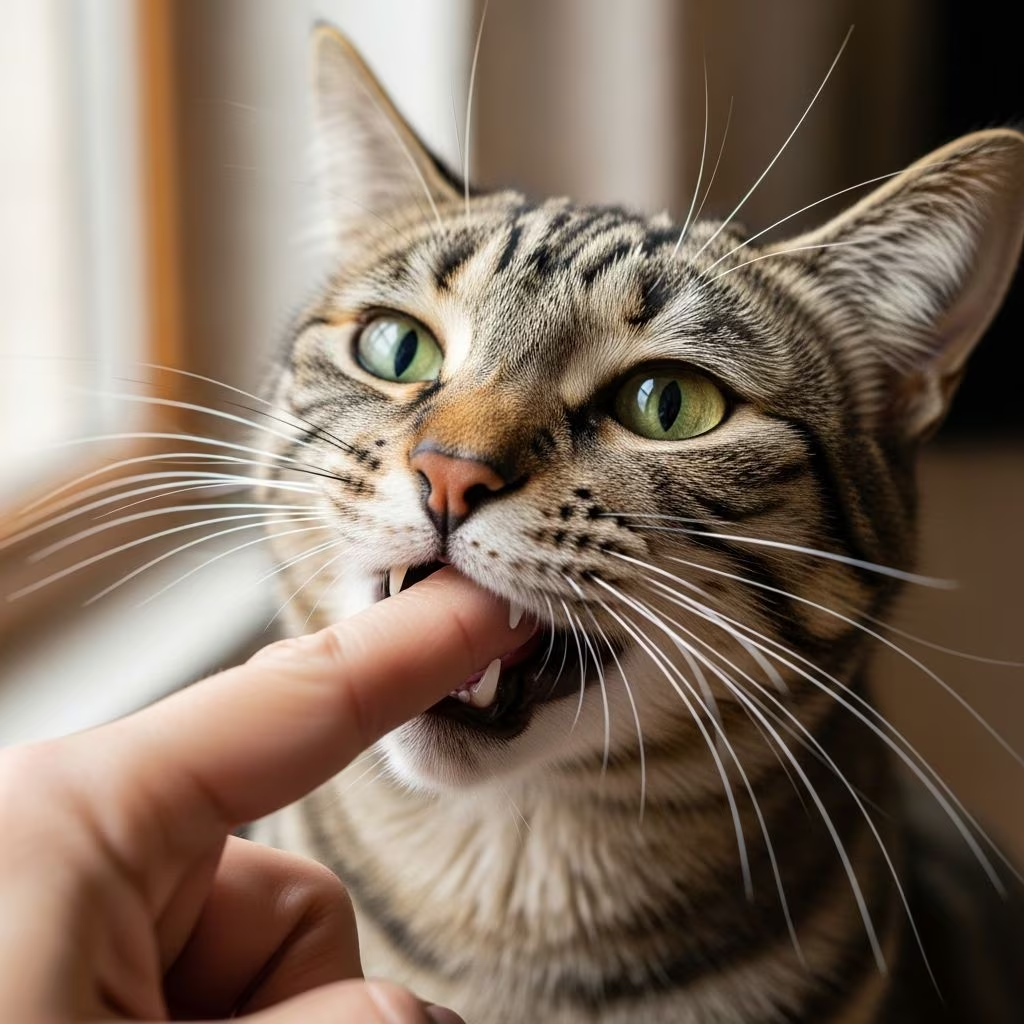
Cat owners often wonder why their feline friends gently nibble or chew on their fingers. This behavior, while endearing, can sometimes lead to scratches or bites if not managed properly. Understanding the underlying reasons helps foster a healthier bond with your pet and prevents potential health risks from bacteria in cat saliva.
From playful instincts to signs of discomfort, cats chew fingers for various reasons tied to their natural behaviors, age, and environment. This comprehensive guide covers the most common causes, when to worry, and practical solutions to redirect this habit.
Is It Normal for Cats to Chew on Fingers?
Yes, it’s common and usually harmless, especially in kittens and playful adults. Kittens chew to relieve teething pain, while adult cats may nibble as part of play or affection mimicking grooming. However, persistent or aggressive chewing warrants attention to rule out stress, boredom, or health issues.
8 Reasons Why Your Cat Chews on Your Fingers
Cats exhibit this behavior for instinctual, emotional, or physical reasons. Here’s a breakdown of the top eight causes:
1. Your Cat Is Playing
Cats retain their predatory instincts even as domesticated pets. Fingers wiggling under blankets or during interaction mimic prey, triggering playful pouncing and chewing. This roughhousing provides mental and physical stimulation without intent to harm. Play biting strengthens social bonds but can escalate if not redirected.
2. Your Cat Is Teething (Kittens)
Kittens experience teething around 2-7 months, causing itchy gums and discomfort. Chewing on fingers soothes this irritation, much like human babies use teething rings. Signs include drooling, pawing at the mouth, or reduced appetite. Provide soft rubber teething toys to ease symptoms safely.
3. Your Cat Is Overstimulated
Petting sessions can overwhelm sensitive cats, leading to sudden nips. Watch for warning signs: twitching tail, dilated pupils, flattened ears, or skin rippling. Areas like the stomach or paws are common triggers. Stop petting immediately and allow space to prevent escalation.
4. Your Cat Is Grooming You (Showing Affection)
Allogrooming—licking and nibbling—is how cats bond and show love. Gentle ‘love bites’ accompanied by purring indicate affection, not aggression. If it turns rough, withdraw calmly to set boundaries while reinforcing positive interactions.
5. Your Cat Is Bored or Stressed
Insufficient stimulation leads to attention-seeking behaviors like finger chewing. Stress from routine changes, new pets, or loud environments prompts comfort-seeking nibbles. Enrich their world with toys, scratching posts, and daily play to alleviate boredom.
6. Your Cat Was Weaned Too Early
Kittens separated from mothers before 8-12 weeks may suckle or chew on soft objects for comfort, associating it with nursing. This ‘wool-sucking’ habit persists into adulthood. Offer safe alternatives like fleece toys to satisfy the urge.
7. Your Cat Enjoys Chewing
Some cats simply love the texture of fingers—soft yet resilient. This exploratory behavior satisfies curiosity. Redirect to chew-approved toys to protect your skin and prevent habit formation.
8. Your Cat Has Health Issues
Sudden changes may signal dental pain, throat irritation, or neurological problems. Excessive chewing could relieve oral discomfort. Consult a vet if accompanied by drooling, bad breath, or appetite loss.
Should You Let Your Cat Chew on Your Fingers?
While cute, discourage it to avoid reinforcing the habit and health risks. Cat bites can transmit bacteria like Pasteurella, causing infections. Fingers aren’t ideal chew toys; they teach poor bite inhibition, especially with children or guests.
- Pros of allowing gentle nibbles: Builds trust if very mild.
- Cons: Risk of infection, escalation to hard bites, and dependency on human interaction.
How to Stop Your Cat from Chewing on Fingers
Redirect and train consistently for lasting results. Here’s a step-by-step guide:
- Ignore and Withdraw: When bitten, say ‘no’ firmly, stop interaction, and leave the room for 1-2 minutes. Return when calm.
- Provide Alternatives: Offer interactive toys like wand teasters, chew toys, or puzzle feeders. Rotate to maintain interest.
- Increase Playtime: 15-20 minutes twice daily mimics hunting, reducing boredom bites.
- Positive Reinforcement: Reward calm behavior with treats or pets.
- Trim Nails: Reduces scratch risk during play.
- Enrich Environment: Add cat trees, window perches, and foraging toys.
- Vet Check: Rule out medical causes if behavior persists.
| Reason | Signs | Solution |
|---|---|---|
| Play | Wiggling fingers trigger chase | Interactive toys |
| Teething | Drooling, gum pawing | Teething gels/toys |
| Overstimulation | Tail twitch, ear flatten | Short petting sessions |
| Affection | Gentle nibble + purr | Accept mildly, redirect |
Health Risks of Cat Bites
Beyond discomfort, cat mouths harbor bacteria. Even minor punctures can lead to swelling, fever, or abscesses. Seek medical attention for deep bites, especially if immunocompromised. Clean wounds immediately with soap and water.
When to See a Vet
- Sudden onset or intensity increase.
- Accompanied by aggression, lethargy, or eating issues.
- Bites break skin repeatedly.
- Kitten teething pain seems extreme.
Behavioral changes post-illness or stress need professional evaluation.
Frequently Asked Questions (FAQs)
Why does my cat lick and bite my fingers?
This ‘lick and bite’ combo signals grooming affection transitioning to overstimulation. Stop when biting starts.
Is finger chewing a sign my cat hates me?
No, it’s rarely aggression. More often play, love, or need for stimulation. Context matters.
How long does kitten teething last?
Typically 2-7 months, peaking at 3-4 months. Symptoms fade as adult teeth emerge.
Why does my adult cat suddenly chew fingers?
Possible boredom, stress, or health issues. Assess environment and consult vet if new.
Can I train my cat out of this completely?
Yes, with consistency. Most cats respond well to redirection within weeks.
Understanding your cat’s nibbling unlocks better communication. Patience and enrichment turn this quirk into stronger companionship.
References
- Why Does My Cat Chew on My Fingers? Vet Insights — Bored Panda. 2023. https://www.boredpanda.com/why-does-my-cat-chew-on-my-fingers/
- Why Does My Cat Chew on My Fingers? 8 Likely Reasons — Hepper. 2023. https://articles.hepper.com/why-does-my-cat-chew-on-my-fingers/
- Why does my cat bite my feet and fingers? — TAG24. 2023. https://www.tag24.com/animals/cats/cat-guide/why-cats-attack-fingers-and-toes-1639184
- Why do cats lick and bite fingers? — YouTube (PetMD insights). 2023. https://www.youtube.com/shorts/uNhsKMP2xqo
- Cat Love Bites: Why They Happen and How To Respond — PetMD. 2024-01-14. https://www.petmd.com/cat/behavior/cat-love-bites



