

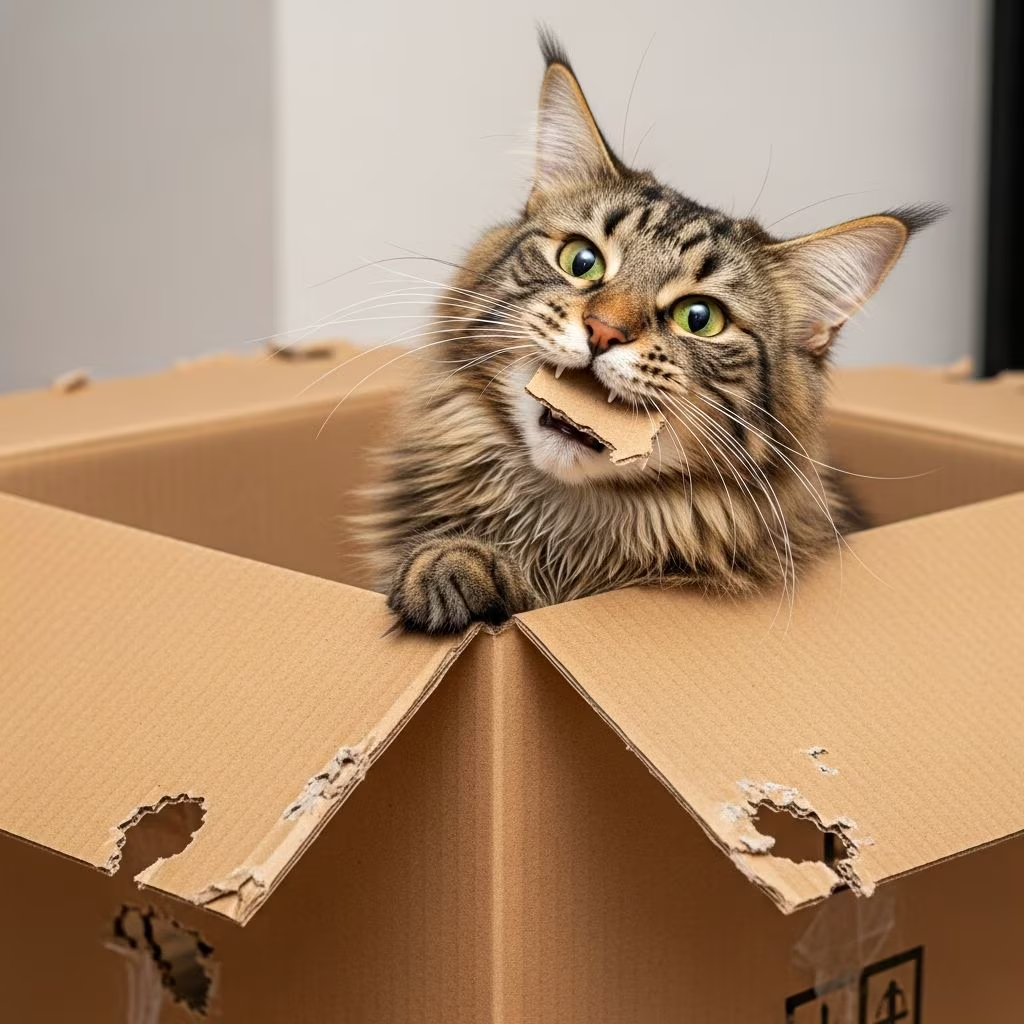
Cardboard boxes are a staple in many homes, especially with online shopping and pet supplies arriving regularly. Cats often gravitate toward these ubiquitous items, turning them into chew toys. Some cats are natural chewers, while others ignore them entirely. If your feline friend is gnawing on cereal boxes, moving cartons, or delivery packaging, you’re not alone—this behavior is common among cats.
But is it cause for concern? In most cases, chewing cardboard is harmless and stems from instinctual or playful urges. However, it can sometimes signal underlying health issues or nutritional deficiencies. This article breaks down the **top 6 reasons** why cats chew on cardboard boxes, drawing from veterinary insights, and offers guidance on distinguishing normal play from problematic pica.
Top 6 Reasons Why Your Cat May Chew on Cardboard Boxes
Cats exhibit a range of behaviors tied to their wild ancestry, even in domestic settings. Chewing cardboard taps into these instincts, providing texture, scent opportunities, and entertainment. Here’s a detailed look at the primary motivations.
1. Sore Gums
Kittens frequently chew on cardboard during teething, much like human babies use teething rings for relief. The firm yet yielding texture soothes inflamed gums as baby teeth emerge, typically between 2 and 6 months of age. Adult cats chewing excessively may have dental problems, such as gum disease or tooth pain, prompting them to seek similar comfort.
Signs to watch: Drooling, pawing at the mouth, or reluctance to eat hard food. A veterinary dental checkup is recommended if this persists beyond kittenhood.
2. Territorial Marking
Cats are territorial creatures who mark their space with scent glands on their cheeks, paws, and tail base. Chewing cardboard deposits saliva containing pheromones, effectively claiming the box as part of their domain. If your cat rubs her face on the box before or after chewing, this is a classic marking ritual, similar to rubbing against furniture or your legs.
This behavior is generally benign unless accompanied by aggression toward other pets or people defending the ‘territory.’ Indoor cats, lacking outdoor boundaries, often intensify indoor marking.
3. Prey Drive
Domestic cats retain strong predatory instincts from their wild ancestors. Without live prey, they channel this energy into household objects. Cardboard boxes mimic small game—easy to pounce on, bite, and ‘kill’ using bunny kicks (front paws gripping while hind legs rake).
Indoor-only cats are especially prone, as they miss natural hunting opportunities. Watch for playful attacks: stalking the box, leaping, biting corners, and shredding with claws.
4. Creating a Fortress
Cats adore enclosed spaces for security, warmth, and ambush points. Chewing holes or flaps in boxes customizes them into ideal hideouts—perfect for peeking out to swipe at passing feet or toes. This ties into hunting play, blending fortress-building with predatory fun.
Nothing delights a cat more than a dark, snug box. Modifying it via chewing enhances its appeal, turning a simple carton into a personalized playground.
5. Boredom
Boredom strikes indoor cats with limited stimulation. Chewing cardboard expends pent-up energy and solicits attention, even if inadvertently. Like a child acting out, cats learn that destructive chewing draws owner focus—positive or negative.
Avoid rewarding this by ignoring it during the act and providing alternatives later. Enrich the environment with toys, perches, and puzzle feeders to prevent recurrence.
6. It’s Fun!
Simply put, cats find cardboard endlessly entertaining. The crinkly sound, shreddable texture, and endless shapes spark curiosity and playfulness. Chewing satisfies oral fixation, akin to licking hair or batting keyboards—cats are quirky explorers of our world.
The corrugated edges offer satisfying grip and puncture, outperforming many toys. Combined with hiding, scratching, and pouncing, boxes are feline entertainment hubs.
Eating the Box: When Chewing Turns to Pica
Chewing is one thing; swallowing pieces is another. **Pica** is the compulsive ingestion of non-food items like cardboard, wool, or plastic. While occasional nibbling is usually fine, eating cardboard can lead to intestinal blockages, especially if large amounts are consumed.
Potential medical causes of pica include:
- Thyroid disease
- Diabetes
- Inflammatory bowel disease
- Neurological disorders
- Malnutrition or vitamin deficiencies
- Anemia
- Intestinal parasites
- Feline leukemia or immunodeficiency virus
Behavioral triggers encompass stress, early weaning, compulsive disorders, or sheer boredom. Stressed cats may destroy and ingest items as coping mechanisms.
Immediate actions:
- Consult a vet for bloodwork and fecal tests to rule out health issues.
- Remove access to boxes temporarily.
- Monitor for vomiting, constipation, or lethargy—emergency signs of obstruction.
Is Cardboard Safe for Cats to Chew?
Pure cardboard is non-toxic and even used in cat scratchers for its durability and gum health benefits—chewing promotes blood flow and tartar removal. However, risks exist:
| Risk | Description | Prevention |
|---|---|---|
| Chemical coatings | Some boxes have inks, glues, or treatments harmful if ingested. | Use plain, untreated boxes; rinse if needed. |
| Ingestion/blockage | Swallowed pieces can cause GI obstruction. | Supervise play; provide smaller pieces. |
| Choking hazard | Small flaps or chunks pose risks. | Break down boxes; offer safer alternatives. |
Opt for pet-safe cardboard toys. If ingestion occurs, seek vet care promptly.
How to Stop or Redirect Cardboard Chewing
Channel the behavior positively:
- Enrichment toys: Cardboard scratchers, tunnels, and wand toys mimic boxes safely.
- Interactive play: 15-20 minutes daily satisfies prey drive.
- Ignore bad behavior: No attention during chewing; reward calm times.
- Dental health: Regular vet checkups prevent gum issues.
- Diet review: Ensure balanced nutrition rules out deficiencies.
For pica, vets may prescribe anti-anxiety meds or diets.
Frequently Asked Questions (FAQs)
Is it normal for cats to chew cardboard?
Yes, for most cats, it’s a harmless expression of play, instinct, or teething. Monitor for excessive ingestion.
Why do adult cats chew cardboard more than kittens?
Adults may do so due to dental pain, boredom, or stress, unlike kittens’ teething.
Can chewing cardboard damage my cat’s teeth?
Rarely; the abrasive texture often cleans teeth, but hard items could chip them—stick to soft cardboard.
What if my cat eats cardboard pieces?
Treat as pica: Vet visit essential to check for blockages or underlying conditions.
Are there safe cardboard alternatives for cats?
Yes, commercial cardboard scratchers and houses are designed for chewing and scratching without risks.
References
- Why Does My Cat Chew on Cardboard Boxes? 6 Vet-Reviewed Reasons — Catster. 2023. https://www.catster.com/cat-behavior/why-does-my-cat-chew-on-cardboard-boxes/
- Why Do Cats Eat Cardboard? Is it Normal? — Cardboard Cat Homes. 2023. https://cardboardcathomes.com/blogs/info/why-do-cats-eat-cardboard-is-it-normal
- Why do cats love cardboard boxes? Pet experts decode the obsession — Inverse. 2023. https://www.inverse.com/science/why-do-cats-love-cardboard-boxes
- Why Do Cats Chew Cardboard Boxes — YouTube (PetKeen/Catster). 2023. https://www.youtube.com/watch?v=CdDftc38xso
- Why Does Your Cat Chew On Everything? — Purina. 2024. https://www.purina.com/articles/cat/behavior/understanding-cats/why-does-my-cat-chew-on-everything



