

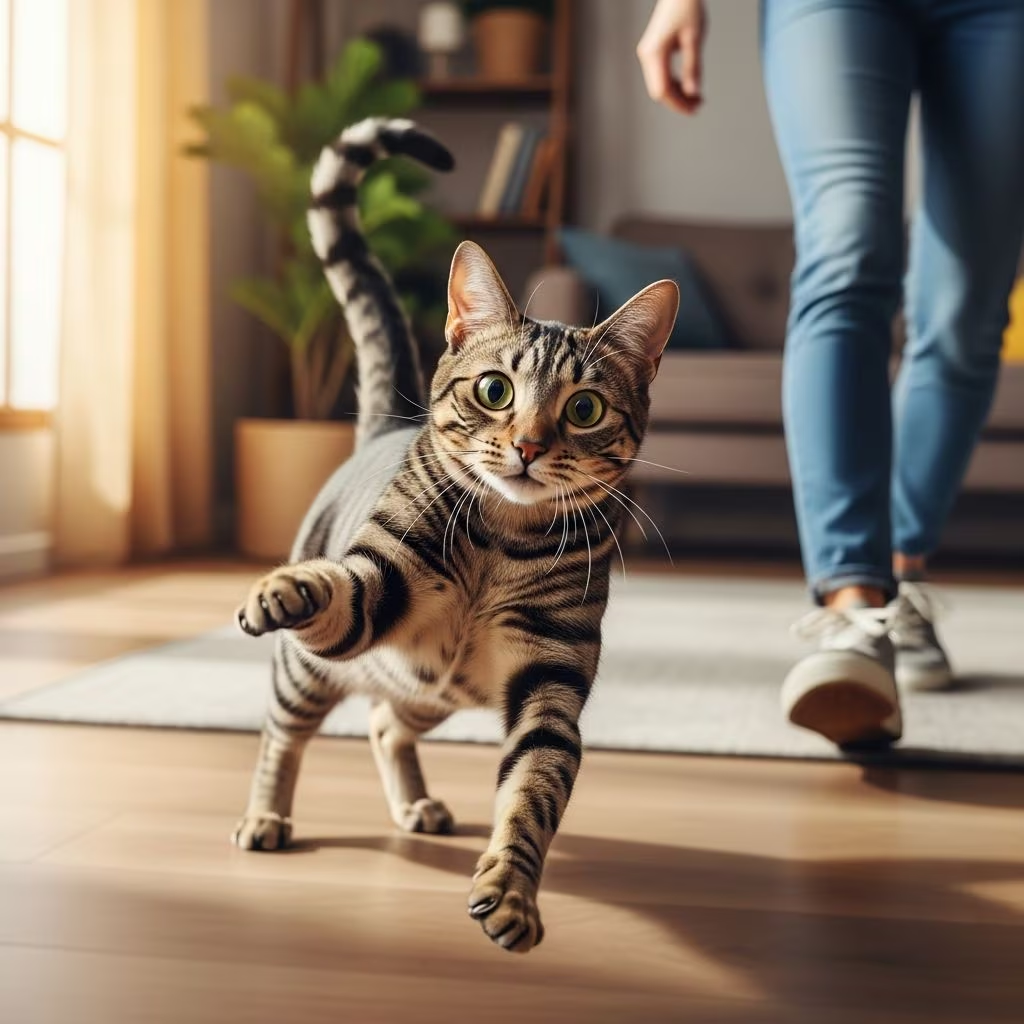
Cats chasing their owners is a common yet puzzling behavior that can range from endearing playfulness to concerning aggression. Understanding the root causes helps owners respond appropriately, fostering a harmonious home. This article delves into eight key reasons, drawing from veterinary insights, and provides practical solutions to manage or redirect this instinct-driven action.
The 8 Possible Reasons Why Your Cat Is Chasing You
Cats are wired as predators, making chasing a natural extension of their instincts. However, when directed at humans, it often signals play, unmet needs, or discomfort. Below, we break down the primary motivations, supported by feline behavior experts.
1. They’re Hunting
Cats are innate hunters, retaining predatory behaviors even in domestic settings. Your moving feet or legs mimic prey like rodents or insects, triggering their stalking, pouncing, and chasing sequence. Signs include hiding around corners, dilated pupils, butt-wiggling, and sudden ambushes.
This isn’t malice; it’s practice for survival skills. Domestic cats may not hunt for food, but the drive persists, especially with quick movements that imitate fleeing prey.
What to Do:
- Provide appropriate outlets like wand toys, laser pointers, or play rugs to satisfy the hunt without targeting you.
- Reward calm play with treats to reinforce positive behavior.
- Avoid encouraging hand or foot play, as it blurs lines between toy and human.
2. It’s Fun
Chasing is peak entertainment for cats, offering physical exercise and mental stimulation. If you react by running or withdrawing, it reinforces the game, as they perceive you as a willing participant—even if unintentional.
This playful pursuit bonds cat and owner but can escalate if claws or teeth emerge. Indoor cats especially thrive on such interactions to burn energy.
What to Do:
- Initiate play sessions with interactive toys to channel fun energy.
- End sessions before overstimulation by watching for tail thrashing or ear flattening.
- Use puzzle feeders or automated toys for solo fun.
3. They Like You
A chasing cat often views you as a trusted playmate. This affectionate behavior strengthens social bonds, akin to littermate roughhousing. If painless and mutual, it can be a sign of deep attachment.
Kittens learn social cues through play, carrying this into adulthood with favorites humans. It’s their way of saying, “You’re my favorite hunting buddy!”
What to Do:
- Embrace gentle versions but redirect rough play.
- Offer alternative bonding like grooming brushes or lap time.
- Monitor for overexcitement to prevent scratches.
4. They’re Scared Of You
Though rare, fear can prompt chasing as a defensive response. Puffed fur, arched back, and hissing indicate discomfort, often from new environments, past trauma, or startling actions.
Newly adopted cats or those with negative histories may chase to assert space or flee perceived threats. This differs from play by lacking wiggling or relaxed posture.
What to Do:
- Give space and use pheromone diffusers to reduce anxiety.
- Slowly rebuild trust with treats and gentle approaches.
- Consult a vet to rule out underlying fear triggers.
5. They Have Poor Socialization
Kittens not taught bite inhibition or appropriate play boundaries grow into adults who chase hands, feet, or legs aggressively. Early encouragement of roughhousing leads to painful habits.
Socialization windows close around 2-7 weeks; missed opportunities mean learned behaviors persist. Adult rescues may lack this training.
What to Do:
- Use toys exclusively for play; yelp loudly if bitten to mimic kitten reactions.
- Employ time-outs: Leave the room briefly for unwanted actions.
- Enroll in feline behavior classes if persistent.
6. They’re Bored
Boredom drives chasing as a quest for stimulation. Indoor cats without enrichment resort to owners for excitement, turning homes into hunting grounds.
Cats need daily play, perches, and puzzles. Insufficient outlets lead to hyperactivity targeting humans.
What to Do:
- Enrich environment with cat trees, scratch posts, window perches, and rotating toys.
- Schedule 15-30 minute play sessions twice daily.
- Introduce food puzzles for mental workouts.
7. There’s Too Much Going On
Overstimulation from noise, visitors, routine changes, or external sights (e.g., window cats) can trigger hyper-arousal. Cats may chase owners for comfort or to release tension.
Redirected aggression occurs when cats can’t act on real stimuli, fixating on safe humans. Common triggers: new pets, loud sounds, or smells from outdoors.
What to Do:
- Create quiet retreats like covered carriers or high shelves.
- Maintain routines and introduce changes gradually.
- Use calming aids like Feliway during stress.
8. They Don’t Feel Well
Illness or pain alters behavior; chasing may accompany moodiness, hiding, or appetite changes. Pain-induced aggression mimics play but feels defensive.
Vets note petting-induced aggression from overstimulation or discomfort, with signs like dilated pupils and tail lashing.
What to Do:
- Monitor for symptoms: litter box issues, lethargy, or aggression shifts.
- Seek veterinary evaluation promptly—early detection saves lives.
- Track behavior in a journal for patterns.
Table: Signs of Play vs. Aggression Chasing
| Play Chasing | Aggressive Chasing |
|---|---|
| Relaxed body, wiggling butt, no claws/teeth | Puffed fur, hissing, flattened ears, bites |
| Followed by purring or rubbing | Avoidance or hiding post-chase |
| Occurs during playtime | Sudden, unrelated to stimulation |
This table helps distinguish fun from concerning pursuits, aiding quick responses.
Frequently Asked Questions (FAQs)
Q: Is it normal for my cat to chase me?
A: Yes, often due to hunting instincts or play. Monitor for aggression signs like biting.
Q: How do I stop my cat from chasing my feet?
A: Redirect to toys, ignore unwanted chases, and enrich their environment.
Q: When should I worry about cat chasing?
A: If accompanied by hissing, fur puffing, or health changes—see a vet.
Q: Can chasing indicate stress in cats?
A: Absolutely; new stressors like moves or noises trigger defensive chasing.
Q: What’s the best toy for a chasing cat?
A: Wand toys or balls mimic prey movement effectively.
Final Tips for Harmonious Cat-Human Play
Proactive management transforms chasing from nuisance to bonding opportunity. Daily routines, vet check-ups, and understanding instincts ensure your cat’s needs are met. Patience yields a playful, content feline companion.
References
- Aggression in Cats — ASPCA. 2023-10-15. https://www.aspca.org/pet-care/cat-care/common-cat-behavior-issues/aggression-cats
- Feline Behavior Problems: Aggression — Cornell University College of Veterinary Medicine. 2024-05-20. https://www.vet.cornell.edu/departments-centers-and-institutes/cornell-feline-health-center/health-information/feline-health-topics/feline-behavior-problems-aggression
- Why Does My Cat Chase Me? 8 Vet-Reviewed Reasons & What to Do — Catster. 2024-08-12. https://www.catster.com/cat-behavior/why-does-my-cat-chase-me/



