

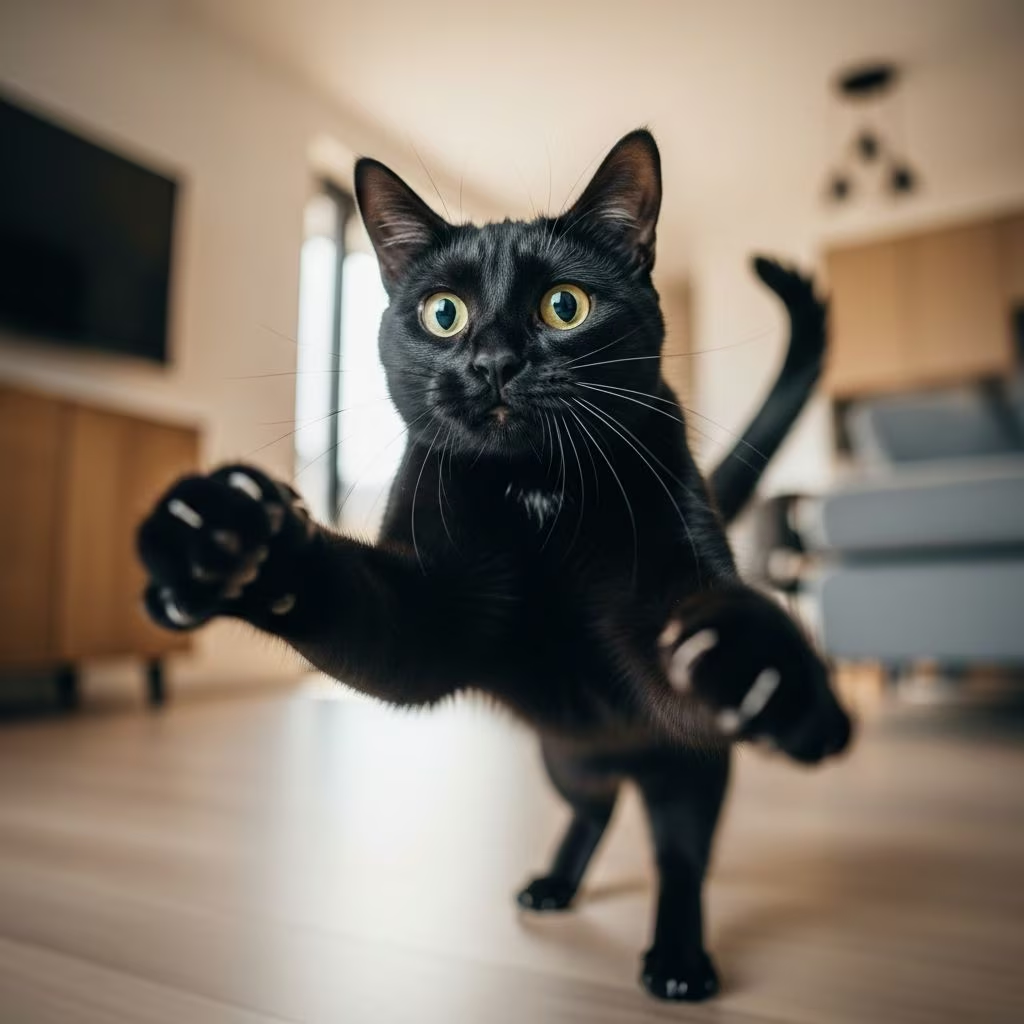
Why Does My Cat Chase Me? Understanding Feline Behavior
If you’ve ever been unexpectedly pounced on by your cat or found yourself being chased around the house by your furry companion, you’re not alone. This behavior can seem confusing or even concerning at first, but understanding the reasons behind it can help you respond appropriately and build a stronger bond with your pet. Cat chasing behavior is usually not a sign of aggression, but rather a way for cats to communicate their needs and express their natural instincts. While this might be frustrating when it leaves scratch marks on your legs, there are several reasons why your adult cat or young kitten may be acting this way.
Understanding the Difference Between Play and Aggression
Before addressing specific reasons for chasing behavior, it’s important to understand that play aggression is the most common type of aggressive behavior that cats direct toward their owners. This doesn’t mean your cat is truly aggressive in a dangerous sense. Rather, it involves typical predatory and play behaviors that cats naturally exhibit. The key is distinguishing between play behavior and genuine aggression, which involves understanding your cat’s body language and the context of their actions.
1. Cats Are Natural Hunters
The most fundamental reason your cat chases you is rooted in their biology. Cats are natural predators with an instinct to hunt for prey, even though they don’t need to hunt for the kibble you provide in their bowl. These hunting instincts don’t disappear just because your cat is domesticated. Instead, they find outlets through play and, unfortunately, sometimes through chasing their human family members.
How Your Legs Become Prey
Your legs and feet make you the perfect substitute prey for cat attacks, especially when you move around the house frequently. While you may not be as enticing as actual prey like mice or bugs, you are a viable option—particularly if you imitate the behavior of the type of prey a feline would naturally hunt for. Quick movements and rapid walking patterns can trigger your cat’s predatory sequence of behaviors.
The Hunting Sequence
The predatory sequence in cats starts with silent stalking, watching, and waiting for the perfect moment to strike. When observing your cat before an attack, you’ll notice several telltale signs:
- Hiding around corners or in safe spaces like cat tunnels to create an element of surprise
- Dilated pupils indicating arousal and focus
- A characteristic wiggle or twitch of their rear end and tail, signaling they’re about to pounce
- Low body posture as they prepare to launch their attack
Understanding these pre-attack behaviors can help you anticipate when your cat is about to pounce and redirect their attention before they attack your legs.
Redirecting Hunting Behavior
The good news is that hunting behavior can be channeled into appropriate outlets. When your cat plays with the right “prey”—such as interactive toys or play rugs—reward them for good behavior. A simple treat or praise will let them know they’re engaging in something positive and might result in less chaotic behavior directed at you. Cats need activity that stimulates them to move and go after things. This can include mechanical toys, puzzle toys, or even DIY options like elastic tied to a door frame with fabric dangling within reach.
2. Your Cat Is Bored
Another significant reason your cat chases you is that they may simply be bored and seeking attention. A cat who chases you can send mixed signals, but it often means they just want attention. While this behavior might seem aggressive initially, it’s frequently a form of communication rather than a sign of anger or hostility.
The Attention-Seeking Signal
Every cat has their own way of communicating how they feel, and it’s important to understand your cat’s specific preferences and needs. Some cats are more vocal and will meow at you persistently, while others will chase you around the house. The delivery method differs, but the underlying message is often the same: cats need attention. If your cat is chasing you, they may be trying to tell you that they need more interaction and mental stimulation.
Preventing Boredom-Induced Chasing
Fortunately, your hands, legs, and feet don’t have to be your cat’s toys. Cats who enjoy playing—and most do—want to do so with something mentally and physically stimulating. This will help divert their attention to something other than your body parts. Keep toys around the house that your cat can chase, such as:
- Wand toys that mimic the movement of prey
- Wiggly balls and other motion-based toys
- Interactive puzzle toys that require problem-solving
- Feather toys that appeal to their hunting instincts
- Automated toys that move unpredictably
By providing adequate play opportunities with appropriate toys, you can significantly reduce the likelihood that your cat will chase you as a way to combat boredom.
Understanding Your Cat’s Social Attachment
It’s also worth noting that if your cat tends to follow you around the house while walking, stalking, or chasing, you’ve likely got a cat who is fairly attached to you socially and wants to be near you. In these cases, the chasing might not be aggressive at all but rather a sign of affection and a desire for companionship. Pay attention to the context and your cat’s overall body language to determine whether the behavior is play-based or attention-seeking.
3. Your Cat Is Stressed
While hunting instincts and boredom are common reasons for chasing behavior, stress should also be considered as a potential cause. Every cat has a unique way of showing they are stressed, and some cats may become physically aggressive as a stress response. Understanding what might be stressing your cat is crucial for addressing the root cause of the behavior.
Common Stressors in the Home
Stress can come from many factors inside your home. Common stressors that can trigger aggressive or chaotic behavior include:
- A new environment or recent move
- Introduction of new people or pets to the household
- Pain or illness (which requires veterinary attention)
- Changes to their routine or living situation
- Insufficient resources such as litter boxes or water bowls
- Loud noises or environmental changes
Distinguishing Types of Aggression
It’s important to understand that just because your cat is showing aggressive behavior doesn’t mean that your cat is aggressive. There is a significant difference between regular aggression, territorial aggression, and play aggression. A cat who is regularly aggressive is usually experiencing pain or stress, or they may be fearful. However, it’s normal for cats playing to exhibit some aggression—they are hunters, after all.
Petting-induced aggression is another type to be aware of. Some cats may suddenly become aggressive when being petted, possibly due to overstimulation or an attempt to control when the petting ends. In many cases, these cats will demonstrate dilated pupils, tail lashing, and ears moved backward on the head before becoming aggressive.
When to Seek Veterinary Help
If you’ve ruled out any serious medical conditions with your vet, it’s time to see what’s stressing out your cat. If the chasing behavior is severe, frequent, or accompanied by other signs of stress such as not eating, inappropriate litter box use, hiding, or excessive grooming, consult with your veterinarian. They can rule out underlying health issues and may refer you to a feline behaviorist for additional support.
How to Tell If Your Cat’s Behavior Is Play or Something More Serious
Understanding whether your cat’s chasing is playful or problematic is essential for knowing how to respond. When a cat chases you and stops short, they have discovered a functional form of play—an inhibited and modified form of hunting behavior. This is very different from a cat that escalates to biting, scratching, or continued pursuit after you stop moving.
Signs of Playful Chasing
- The chase is intermittent and stops when you change activity
- Your cat uses inhibited bites or swats (not causing injury)
- Your cat’s body language is relaxed between chases
- The behavior occurs during active play times, not randomly throughout the day
- Your cat seems happy and engaged, not fearful or angry
Warning Signs of Stress or Aggression
- Constant chasing throughout the day
- Causing injury with bites or scratches
- Defensive body posture such as flattened ears or hissing
- Chasing accompanied by other stress behaviors
- Sudden changes in behavior patterns
Practical Solutions for Managing Cat Chasing Behavior
Once you’ve identified why your cat is chasing you, you can implement strategies to manage and redirect the behavior appropriately.
Environmental Enrichment
Create an environment that provides adequate stimulation:
- Install cat trees and climbing structures for vertical exploration
- Provide window perches for bird watching
- Use puzzle feeders to engage their problem-solving skills
- Rotate toys regularly to maintain novelty
- Create DIY toys with household items
Interactive Play Sessions
Schedule dedicated play times with your cat using interactive toys. This serves multiple purposes: it provides the stimulation your cat needs, strengthens your bond, and tires them out, which may reduce chasing behavior. Aim for multiple short play sessions throughout the day, mimicking the natural hunting patterns of wild cats.
Stress Management
If stress appears to be the underlying cause, work to identify and minimize stressors. This might involve providing multiple resources (litter boxes, water bowls), creating safe spaces where your cat can retreat, using pheromone diffusers, or establishing a consistent daily routine.
Frequently Asked Questions
Q: Is it normal for cats to chase their owners?
A: Yes, chasing behavior is completely normal for cats and typically stems from their hunting instincts, need for attention, or desire to play. However, it should be redirected to appropriate toys rather than directed at you.
Q: How can I tell if my cat’s chasing is playful or aggressive?
A: Playful chasing usually stops when you change activity, involves inhibited bites, and doesn’t cause injury. Aggressive chasing is persistent, causes wounds, and is accompanied by defensive body language.
Q: What’s the best way to stop my cat from chasing me?
A: Provide appropriate outlets for their hunting instincts through interactive toys, maintain a consistent play schedule, ensure adequate environmental enrichment, and identify any sources of stress in your cat’s environment.
Q: Can boredom really cause cats to chase their owners?
A: Yes, boredom is a common cause of chasing behavior. Cats need mental and physical stimulation, and without it, they may direct their energy toward chasing you as a form of play and attention-seeking.
Q: Should I ever punish my cat for chasing me?
A: No, punishment is not recommended. Instead, redirect the behavior by offering toys and play opportunities. Punishment can increase stress and worsen the behavior.
Q: When should I consult a veterinarian about chasing behavior?
A: Consult your vet if the chasing is accompanied by other behavioral changes, causes injury, is constant throughout the day, or if you suspect it may be stress or pain-related.
References
- 3 Reasons Why Your Cat is Chasing You — Dezi & Roo. https://deziroo.com/blogs/pawsitive-connections/3-reaons-why-your-cat-is-chasing-you
- Aggression in Cats — ASPCA. https://www.aspca.org/pet-care/cat-care/common-cat-behavior-issues/aggression-cats
- Feline Behavior Problems: Aggression — Cornell University College of Veterinary Medicine. https://www.vet.cornell.edu/departments-centers-and-institutes/cornell-feline-health-center/health-information/feline-health-topics/feline-behavior-problems-aggression
- Why Does My Cat Chase Me? — Vetstreet. https://www.vetstreet.com/our-pet-experts/why-does-my-cat-chase-me
- Aggression when Chased by a Cat — Maddie’s Fund. https://www.maddiesfund.org/cat-aggression-when-chased-by-a-cat.htm



