

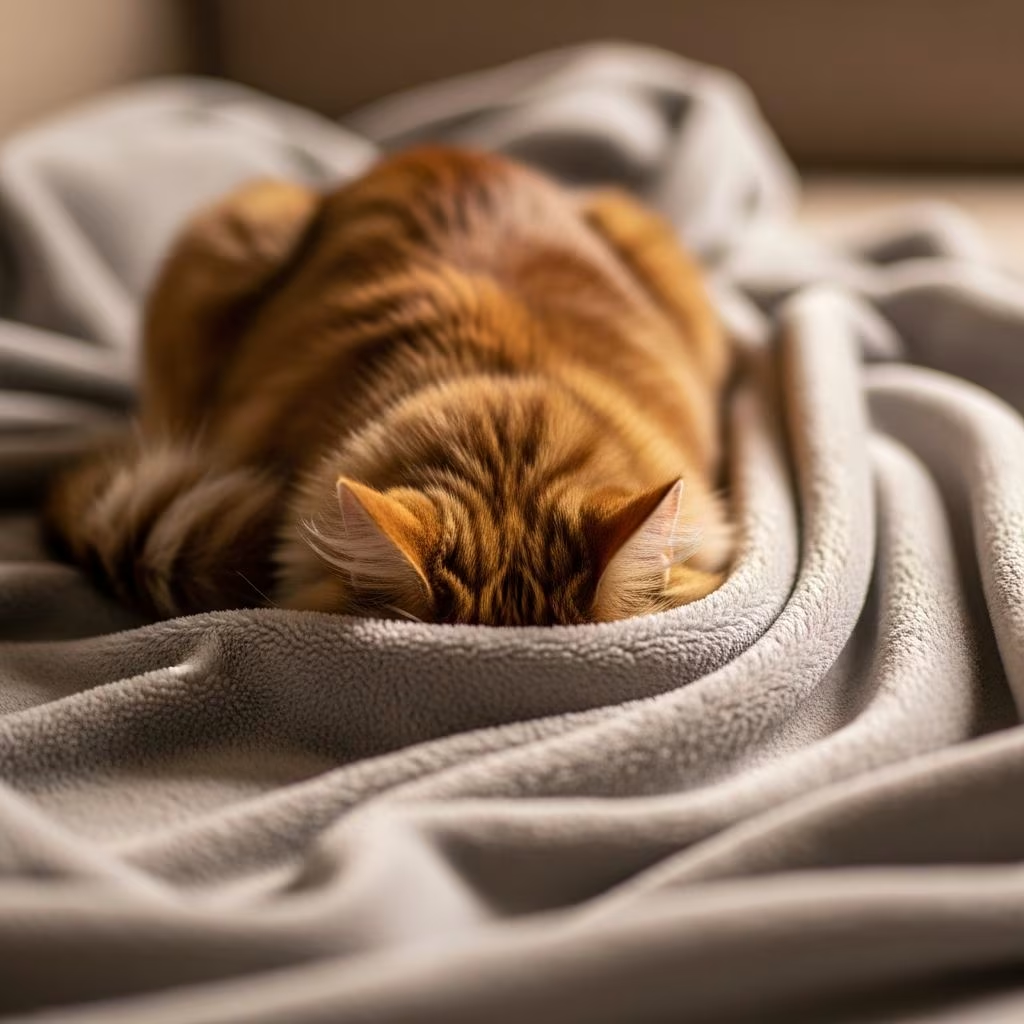
Cats often exhibit quirky behaviors that leave their owners puzzled, and one such habit is burying their head under blankets, pillows, or even into their human’s clothing. This endearing yet mysterious action can stem from instinctual needs, comfort-seeking, or occasionally signal underlying health issues. Understanding the motivations behind why your cat buries their head helps strengthen the bond with your pet and ensures their well-being. In this comprehensive guide, we’ll explore the seven primary reasons for this behavior, differentiate between harmless quirks and red flags, and offer practical advice on when to seek veterinary care.
The 7 Reasons Why Your Cat Buries Their Head
Cat head-burying is a multifaceted behavior rooted in their wild ancestry and domesticated life. While most instances are benign, context matters. Here’s a detailed breakdown of the most common explanations.
1. Block Out Light
Cats are crepuscular creatures, most active at dawn and dusk, and they prefer dark environments for deep sleep. Just like humans pulling covers over their eyes, light-sensitive cats bury their heads to create darkness. This is especially noticeable in bright rooms or during daytime naps. Kittens may develop this habit early, but senior cats can start it later due to changing vision or preferences. If your cat consistently seeks dark spots only during sleep and shows no other symptoms, this is perfectly normal and no cause for alarm.
To accommodate this, provide blackout curtains or cozy dark bedding. Observe patterns: does it happen only in lit areas? This simple adjustment can enhance your cat’s rest quality without intervention.
2. Security
Hiding is hardwired into feline DNA as a survival tactic from their predatory past. While some cats conceal their entire body under furniture or in cat trees, others opt for ‘head-only’ hiding, embodying the childlike logic of ‘if I can’t see you, you can’t see me.’ This provides psychological comfort, reducing perceived threats in their environment. Stressed cats from loud noises, new pets, or changes in routine may increase this behavior.
Security-seeking head burying often pairs with relaxed body language—purring, slow blinks, or kneading. Create safe spaces like enclosed beds or boxes to fulfill this instinct, promoting a stress-free home.
3. Warmth
Cats have a higher body temperature than humans (around 101.5°F or 38.6°C), but they still seek warmth in cooler conditions. Burying under blankets or pillows traps body heat, mimicking the insulation of a den. You’ll notice this more in winter, near drafty windows, or if your home’s thermostat is low. Cats may also lounge in sunbeams or by heaters as complementary signs.
Monitor for shivering or lethargy alongside this; otherwise, it’s benign. Provide heated mats or fleece blankets designed for pets to satisfy their thermal needs safely.
4. Affection
When your cat buries their head into your lap, arm, or clothing, it’s a profound sign of trust and love. This ‘bunting’ mixes scents—yours and theirs—solidifying you as family in their social structure. It releases endorphins, boosting their happiness and deepening the human-feline bond. Playful rolling or purring often accompanies this affectionate display.
Reciprocate gently with pets or cheek rubs, as cats have scent glands there. This mutual grooming ritual reinforces loyalty and comfort.
5. Stroke
Sadly, not all head burying is innocent. A stroke can disrupt balance, vision, and coordination, causing disoriented cats to press or bury their head while lying down. Accompanying symptoms include stumbling, head tilting, circling, or sudden confusion. This neurological event requires immediate vet attention, as early intervention improves outcomes.
- Symptoms to watch: Loss of appetite, vomiting, dilated pupils, or weakness on one side.
- Action: Rush to an emergency vet; strokes in cats are treatable if caught fast.
6. Brain Tumor
Brain tumors exert pressure, leading to headaches, light sensitivity, and erratic behavior like head burying. Cats may alternate between normalcy and aggression, confusion, or vision loss. Behavioral shifts, seizures, or uncoordinated movements signal this serious condition. Diagnosis via MRI or CT scan is crucial, with treatments ranging from surgery to chemotherapy.
Tumors are more common in older cats but can affect any age. Don’t dismiss sudden changes as aging—prompt diagnostics save lives.
7. Toxin Exposure
Toxins irritate a cat’s sensitive face, prompting protective burying to shield nose, eyes, or mouth from pain. Common culprits include household cleaners, pesticides, lead, or certain plants. Cats mask pain evolutionarily to avoid predators, so subtle signs like drooling, pawing at face, or lethargy accompany this.
| Toxin Type | Symptoms | Prevention |
|---|---|---|
| Chemicals (e.g., pesticides) | Face rubbing, vomiting, tremors | Store securely, use pet-safe products |
| Lead/Metals | Seizures, anemia | Avoid old paint/chipped dishes |
| Plants (lilies) | Drooling, kidney failure | Remove toxic plants |
Head Pressing vs. Head Burying: Critical Differences
Don’t confuse playful or comfort burying with head pressing—a dire emergency where cats repeatedly shove their head against walls or floors without cause. This indicates neurological distress from infections (FIP, toxoplasmosis), metabolic issues (liver failure, hypoglycemia), trauma, or toxins. Unlike burying in soft spots, pressing is rigid and obsessive.
- Burying: Soft surfaces (blankets, laps), relaxed posture, purring.
- Pressing: Hard surfaces (walls), stiff stance, vacant stare.
Act fast on pressing; it has low survival rates without treatment.
When to Worry and Visit the Vet
Most head burying is harmless, but holistic assessment is key. Consult a vet if:
- It starts suddenly in an adult cat.
- Paired with appetite loss, vomiting, imbalance, or personality changes.
- Occurs obsessively or with pain signs (hiding more, aggression).
Cats conceal illness masterfully, so err on caution. Routine check-ups catch issues early.
How to Encourage Positive Head Burying
Foster healthy habits:
- Provide dark, warm hideouts like igloo beds.
- Engage in play to reduce stress.
- Maintain stable routines and vet check-ups.
- Use pheromone diffusers for anxiety.
Frequently Asked Questions (FAQs)
Is head burying always a sign of illness?
No, it’s often normal for light, warmth, or affection. Worry with other symptoms.
Why does my cat bury head in me?
Affection and scent-marking to claim you as family.
Can kittens bury their heads?
Yes, for security and warmth from birth instincts.
What if my cat buries head and seems in pain?
Seek vet care immediately—could be toxin or neurological issue.
How to stop excessive burying?
Address root causes like cold or stress; enrich environment.
References
- 7 Reasons Why Your Cat Buries Their Head (The Surprising Details) — Hepper. 2023. https://articles.hepper.com/reasons-why-your-cat-buries-their-head/
- 15 Weird Cat Behaviors (And What They Mean) — Chewy. 2023. https://www.chewy.com/education/cat/training-and-behavior/11-strange-cat-behaviors-and-what-they-mean
- Cat Head Pressing: Don’t Ignore This Potential Feline Emergency — Sunset Anytime. 2023. https://sunsetanytime.com/blog/cat-head-pressing-dont-ignore-this-potential-feline-emergency/
- Why does my cat keep rolling on the floor and burying its head? — Dial A Vet. 2023. https://www.dialavet.com/vet-answers/post/cat-rolling-on-floor-burying-head-95148
- Why You Should Never Ignore this Unusual Cat Behavior — Everhart Vet. 2023. https://www.everhartvet.com/why-you-should-never-ignore-this-unusual-cat-behavior/
- Why is my cat burrowing into me? — Applaws UK. 2023. https://applaws.com/uk/why-is-my-cat-burrowing-into-me/



