

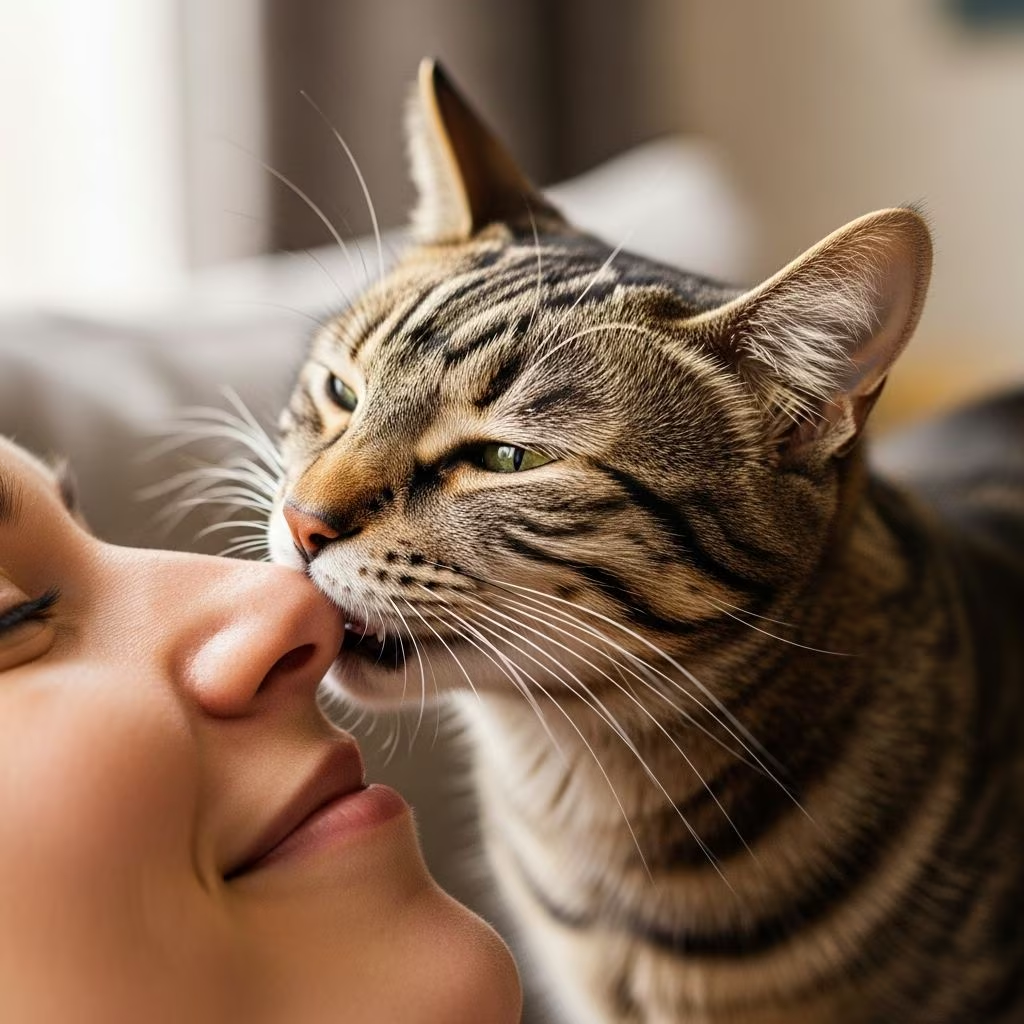
Why Does My Cat Bite My Nose? Understanding Feline Behavior
Cat owners often find themselves puzzled by their feline companions’ behavior, particularly when it comes to nose biting. If your cat frequently nibbles or gently bites your nose, you’re likely wondering what this behavior means. Is it a sign of affection, or should you be concerned? The truth is that nose biting in cats can mean several different things, and understanding the context is essential to interpreting your cat’s communication style.
Cats use their mouths and teeth to communicate with their environment and with us. Unlike humans, cats don’t have as many ways to express themselves verbally, so they rely on physical behaviors to convey their emotions and needs. A bite to the nose—especially a gentle one—is rarely a sign of aggression. Instead, it’s usually a combination of playfulness, affection, and curiosity. However, there are moments when a nose bite can indicate overstimulation or other concerns that require your attention.
A Sign of Affection and Bonding
One of the most common reasons your cat bites your nose is to show affection. Cats engage in gentle nibbling with their close family members as a sign of love and trust. If your cat bites your nose gently while purring or during a cuddle session, they’re likely reciprocating the affection you’ve shown them. This behavior mimics how cats groom and show love to other cats in their social group.
When you’re petting your cat and they suddenly give your nose a gentle bite, they’re essentially saying “I love you, and you’re important to me.” This is sometimes called a “love bite” or “nibble kiss.” The key indicator that this is affectionate behavior rather than aggressive is the softness of the bite and the accompanying body language, such as purring, relaxed ears, and slow blinks.
Cats that engage in this behavior often learned it from their mothers during kittenhood. Mother cats gently bite and lick their kittens as part of grooming and bonding. As your cat matures, they transfer these maternal behaviors to their human family members, treating you as part of their social group. If your cat attempts to soothe you with soft bites and gentle licks on your nose, they may be trying to provide you with the same comfort their mother once gave them.
Playfulness and Hunting Instincts
Kittens and younger cats are particularly prone to nose biting during playtime. Cats are natural hunters with a strong prey drive, and they practice their hunting and stalking skills through play. When your cat bites your nose during interactive play sessions, they’re engaging in their instinctual hunting behavior in a playful context.
If your cat bites your nose during playtime and the behavior is accompanied by other playful actions—such as pouncing, chasing, tail swishing, or crouching in a hunting position—then they’re likely just having fun and practicing their natural skills. Young cats and kittens are especially likely to exhibit this behavior, as they haven’t yet fully developed the ability to control their bite force or understand appropriate boundaries with their human caregivers.
It’s important to provide your cat with appropriate outlets for their playful and predatory instincts. Interactive toys, feather wands, laser pointers, and puzzle toys can help satisfy their need for mental and physical stimulation, potentially reducing unwanted nose-biting behavior. Regular playtime sessions will help your cat burn off energy and develop their hunting skills in appropriate ways.
The Overstimulation Factor
One of the most important reasons to understand cat nose biting is recognizing when your cat is signaling overstimulation. Cats have a threshold for physical touch, and when that threshold is exceeded, they communicate their discomfort through biting. If your cat bites your nose immediately after or during an extended petting session, they’re likely telling you that they’ve had enough physical contact for now.
Overstimulation can occur when:
- You’ve been petting your cat for an extended period
- You touch sensitive areas, such as their belly, paws, or tail
- The petting becomes too intense or rough
- Your cat is in a mood that doesn’t match your energy level
Some cats can experience what behaviorists call “cute aggression,” where they become overwhelmed by affection and feel the need to bite to release that pent-up emotional energy. When this happens, your cat might bite your nose while still seeming affectionate—perhaps even purring. However, the bite is their way of asking you to stop the interaction and give them space.
Understanding your cat’s individual tolerance for touch is crucial. Pay attention to their body language: flattened ears, tail twitching, skin rippling, or attempting to move away are all signs that your cat is approaching their overstimulation threshold. By recognizing these warning signs, you can stop petting before the bite happens, allowing your cat to feel more comfortable and in control.
Communication and Attention-Seeking
Cats use biting as a form of communication to express their needs and desires. If your cat bites your nose, they might be trying to tell you something specific. Perhaps they want to be fed, let outside, or are ready for playtime. Some cats learn that a gentle nose bite gets immediate attention from their owners, and they use this behavior strategically to communicate their wants.
If your cat bites your nose consistently at certain times of day—such as in the morning before breakfast or in the evening when they typically play—they may be using this behavior as a reminder that it’s time for a scheduled activity. This is particularly common in cats that have established routines with their owners.
Additionally, cats may bite your nose out of curiosity or to gather information about you. Cats have an incredible sense of smell and possess a specialized olfactory organ called the vomeronasal organ, which allows them to detect pheromones and chemical information. When your cat sniffs and nibbles your nose, they’re using their mouth to explore and understand their environment and the people in it.
Fear, Stress, or Anxiety
While less common, nose biting can occasionally indicate that your cat is experiencing fear, stress, or anxiety. If your cat’s biting is accompanied by aggressive body language—such as hissing, flattened ears, dilated pupils, or a tucked tail—and they’re biting hard enough to cause pain, this could be a sign of distress rather than affection.
Cats may become fearful, stressed, or anxious due to:
- Changes in their environment or routine
- Introduction of new pets or people
- Loud noises or unfamiliar sounds
- Medical discomfort or pain
- Poor early socialization or past trauma
If you suspect your cat’s nose biting is stress-related, observe their overall behavior for other signs of anxiety, such as excessive hiding, over-grooming, loss of appetite, or litter box issues. In these cases, consulting with a veterinarian or certified animal behaviorist can help identify the underlying cause and develop an appropriate intervention plan.
Why Cats Target Your Nose While You Sleep
Many cat owners are jolted awake by their cat biting their nose in the early morning hours. This behavior has several explanations. Your nose is accessible and prominent when you’re sleeping, making it an easy target for your cat’s attention. Additionally, when you’re asleep, your nose movements during breathing may resemble prey movements, triggering your cat’s hunting instincts.
More practically, your cat may bite your nose to wake you up because they want something—typically food. Cats are creatures of habit, and if feeding time typically occurs in the morning, your cat may use nose biting as an effective alarm clock to alert you that breakfast time has arrived. Your immediate response to the bite (waking up and likely getting out of bed) reinforces this behavior, teaching your cat that nose biting works to get your attention.
How to Respond to Nose Biting
The appropriate response to nose biting depends on the context and intent. Here are evidence-based strategies for managing this behavior:
| Situation | Response Strategy |
|---|---|
| Gentle, affectionate bite during cuddles | Allow the behavior if it doesn’t bother you, or gently redirect by offering your hand or a toy instead |
| Playful bite during interactive play | Redirect to appropriate toys and avoid using your hands or face as play objects |
| Bite indicating overstimulation | Stop petting immediately and give your cat space; never punish |
| Hard or aggressive bite | Stop interaction, use a firm “no,” and leave the room; seek professional help if behavior persists |
| Morning wake-up bites | Establish a feeding routine and avoid rewarding the behavior with immediate attention |
When your cat bites your nose, avoid punishing them harshly, as this can damage your relationship and may increase anxiety-related behaviors. Instead, redirect their behavior toward appropriate outlets. If your cat is biting playfully, offer them an interactive toy or feather wand. If they’re seeking attention, engage them in structured play rather than passive petting.
Training is also important. Provide your cat with appropriate toys and establish clear boundaries about which parts of your body are available for interaction. Reward calm, gentle behavior with treats and praise. Consistency is key—all family members should respond to nose biting in the same way to avoid confusing your cat.
When to Seek Professional Help
If your cat’s nose biting has become aggressive, painful, or causes bleeding, it’s time to consult with a veterinarian or certified animal behaviorist. These professionals can help identify underlying medical issues or behavioral concerns that may be driving the behavior.
Additionally, seek professional help if:
- The biting behavior is increasing in frequency or intensity
- Your cat shows other signs of aggression or anxiety
- The behavior is new and accompanied by other changes in your cat’s health or behavior
- You’re concerned about safety for yourself or other family members
Some cats, particularly those with poor early socialization or past trauma, may require professional behavioral modification techniques to address problematic biting.
Managing Nose Biting in Different Life Stages
Kittens are naturally more prone to nose biting due to their playful nature and developing impulse control. Young cats usually grow out of this behavior as they mature, provided you don’t reinforce it by engaging your face in playtime. Redirect kitten bites to appropriate toys and provide plenty of interactive play opportunities.
Adult cats may continue nose biting as an established communication pattern. If you’ve allowed or encouraged this behavior throughout their life, it may be more challenging to eliminate. However, with patience and consistent redirection, adult cats can learn new ways to interact with you.
Senior cats may bite your nose less frequently due to reduced energy levels, though some may continue this behavior as a deeply ingrained habit.
Frequently Asked Questions
Q: Is it normal for cats to bite their owners’ noses?
A: Yes, nose biting is a common cat behavior. Most of the time, it’s a sign of affection, playfulness, or communication rather than aggression. However, the context and intensity of the bite matter significantly.
Q: Why does my cat bite my nose while purring?
A: A cat that bites while purring is usually showing affection, but this can also indicate overstimulation. Cats may purr when they’re excited or even mildly stressed. If the bites are soft, it’s likely affection; if they’re becoming harder or your cat seems agitated, they may be signaling that they’ve had enough petting.
Q: Can cat bites cause infection?
A: Yes, cat bites can carry bacteria and may become infected. If your cat’s bite breaks the skin and causes bleeding, clean the wound thoroughly with soap and water, and consider seeking medical attention. Cat mouths contain bacteria that can lead to infection if not properly treated.
Q: How can I stop my cat from biting my nose?
A: Provide appropriate toys for play, establish clear boundaries during petting sessions, redirect bites to toys, and avoid using your face as a play object. Consistency and patience are essential, as behavioral change takes time.
Q: Is my cat being aggressive if they bite my nose?
A: Not necessarily. Most nose bites are affectionate or playful. True aggression is usually accompanied by other signs like hissing, flattened ears, growling, and hard bites. Pay attention to your cat’s overall body language to determine their intent.
Q: Do kittens outgrow nose biting?
A: Yes, most kittens outgrow nose biting as they mature, provided the behavior isn’t encouraged or reinforced through play. Teaching young cats appropriate boundaries early helps prevent this from becoming a lifelong habit.
Conclusion
Nose biting is a multifaceted feline behavior that can signify affection, playfulness, communication, or overstimulation. By understanding your individual cat’s body language and the context in which they bite, you can better interpret what they’re trying to tell you. Most nose bites are harmless expressions of love and bonding. However, if the behavior becomes problematic or aggressive, don’t hesitate to seek guidance from a veterinarian or animal behaviorist. With patience, appropriate redirection, and understanding, you and your cat can develop a comfortable and loving relationship that respects both your boundaries and their natural instincts.
References
- Why Does My Cat Bite My Nose? Is It a Sign of Affection? — Lady N Pet. https://ladynpet.com/us/blog/why-does-my-cat-bite-my-nose/
- Why Does My Cat Bite My Nose: Understanding Feline Behavior — UA Pet. https://www.uahpet.com/blogs/hydration-health/why-does-my-cat-bite-my-nose-understanding-feline-behavior
- Why Do Cats Bite, Lick, or Sniff Your Nose? — Petcube. https://petcube.com/blog/why-do-cats-bite-lick-or-sniff-your-nose/
- Why Does My Cat Bite My Nose? 6 Possible Reasons & Vet Advice — Catster. https://www.catster.com/cat-behavior/why-does-my-cat-bite-my-nose/
- Cat Love Bites: Why They Happen and How To Respond — PetMD. https://www.petmd.com/cat/behavior/cat-love-bites
- Petting-Induced or Overstimulation Aggression in Cats — Humane Society of the United States. https://www.hshv.org/petting-induced-or-overstimulation-aggression-in-cats/



