

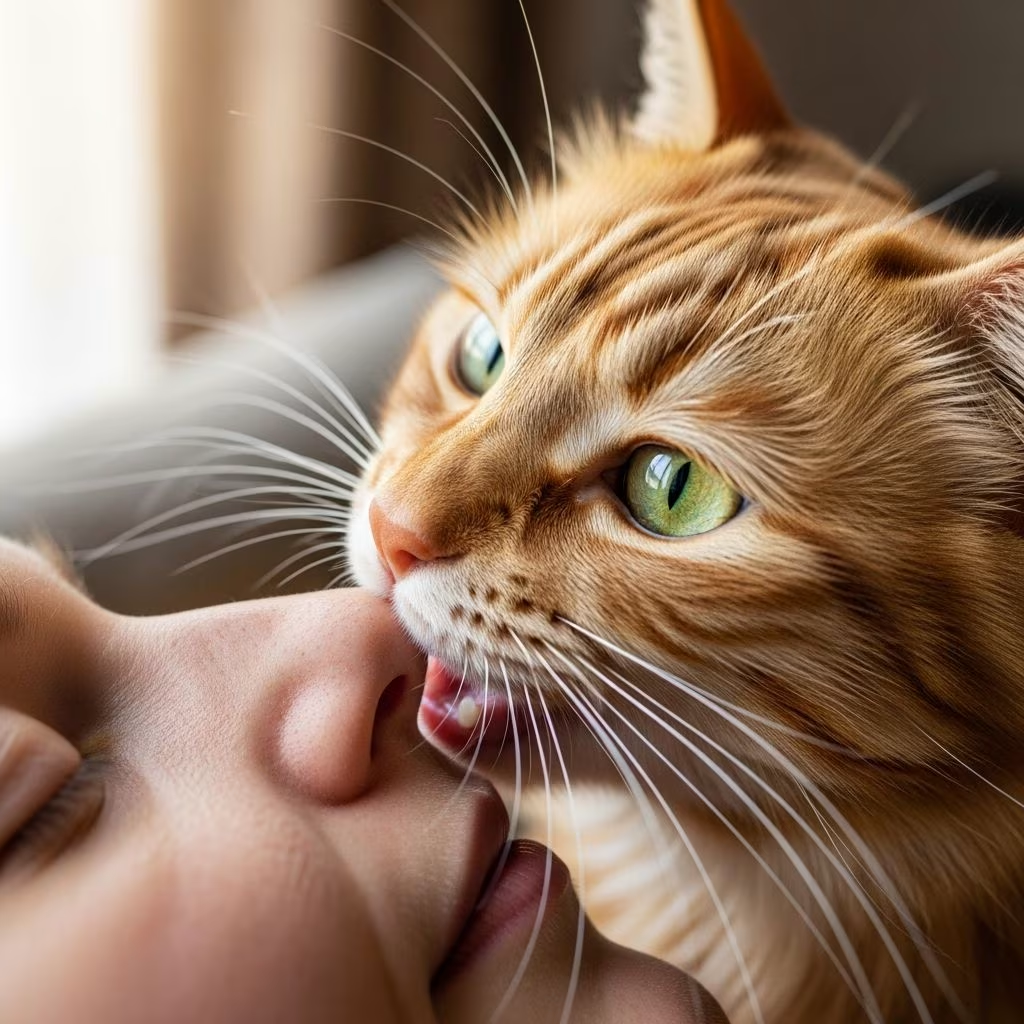
Why Does My Cat Bite My Nose? Understanding Feline Behavior
If you’re a cat owner, you’ve likely experienced the peculiar sensation of your feline friend gently (or not so gently) nibbling on your nose. While this behavior might seem strange or even concerning at first, it’s actually a common form of feline communication. Understanding why your cat bites your nose can help you strengthen your relationship with your pet and ensure their well-being. In this comprehensive guide, we’ll explore six possible reasons behind this behavior and provide guidance on how to respond appropriately.
Understanding Cat Communication Through Biting
Cats use their mouths as a primary tool for communication and interaction with their environment. Unlike humans who rely heavily on verbal communication, cats employ a combination of vocalizations, body language, and physical contact to express their needs and emotions. Biting, particularly gentle nibbling, is a natural part of their communicative repertoire. When your cat bites your nose, they are attempting to convey a message—whether it’s affection, a request for attention, or a signal that they’ve reached their stimulation threshold.
It’s crucial to recognize that not all bites are aggressive or painful. In fact, the majority of nose bites are gentle love bites or playful gestures that indicate your cat views you as part of their family. However, understanding the context and accompanying body language is essential to determine what your cat is trying to communicate.
The 6 Reasons Why Your Cat Bites Your Nose
1. Your Cat Is Trying to Play
One of the most common reasons cats bite noses is that they want to engage in playtime with you. Cats are natural hunters with a strong prey drive, and play-biting is a way they practice their hunting skills and satisfy their instinctual needs. This behavior is particularly common in younger cats and kittens who have abundant energy and are still learning appropriate ways to interact with their human companions.
When your cat is playing, the bite is usually accompanied by other playful behaviors such as pouncing, chasing, and batting with their paws. The bite itself is typically not hard or aggressive. If your cat is play-biting your nose, they’re inviting you to engage with them in interactive play. Providing appropriate toys and designated playtime can help redirect this energy and satisfy their need for stimulation.
To encourage play in a safer direction, use toys on strings, feather wands, or interactive laser pointers that allow your cat to engage their hunting instincts without targeting your face. Regular play sessions will not only prevent unwanted nose biting but also help keep your cat physically active and mentally enriched.
2. Your Cat Is Showing Affection
Perhaps the most heartwarming reason your cat might bite your nose is that they’re showing affection. Gentle nose bites are often referred to as “love bites” and are a sign that your cat views you as family. If you’ve ever observed two cats grooming each other, you might have noticed this behavior—cats gently lick and nibble one another as a bonding ritual that signifies trust and affection.
When your cat gently bites your nose, especially after being petted or cuddled, they’re reciprocating your love and attention. Your nose may be the closest part of your body to their mouth at that moment, making it an easy target for this affectionate gesture. This behavior indicates that your cat is relaxed, calm, and genuinely bonded with you.
The affectionate bite differs significantly from an aggressive one. These bites are soft, controlled, and often accompanied by purring, slow blinks, or head bunting—all signs of feline affection. If your cat is showing this type of behavior, you can reciprocate by gently petting them or giving them a soft kiss on their nose.
3. Your Cat Is Giving You a Warning
Sometimes, a nose bite can be a warning signal from your cat. If you’ve been petting your cat for an extended period, and they suddenly bite your nose, they may be communicating that they’ve had enough physical contact. This is an important boundary-setting behavior that you should respect.
Cats have a threshold for touch and physical stimulation. When this threshold is exceeded, they may bite as a polite way of saying, “I love you, but please stop touching me now.” Before resorting to biting, cats may display other warning signs such as tail twitching, skin rippling, or ears flattening against their head. If you notice these signs, it’s best to stop petting and give your cat space.
Learning to recognize your individual cat’s tolerance for touch will help prevent these warning bites from occurring and ensure that your cat feels safe and respected in your interactions.
4. Your Cat Is Seeking Attention
Your cat may bite your nose as a direct attempt to get your attention and engage with you. If your cat has learned that nose-biting triggers an immediate reaction from you—whether it’s laughter, movement, or verbal response—they may repeat this behavior to initiate interaction. Cats are intelligent and will repeat behaviors that have yielded results in the past.
This is especially common if your cat bites your nose when you’re sleeping or otherwise preoccupied. The nose is a sensitive area that guarantees a reaction, making it an effective attention-getting tool from your cat’s perspective. If you suspect your cat is biting for attention, try redirecting their energy toward more appropriate interactions, such as playing with toys or engaging in structured playtime.
5. Your Cat Is Overstimulated
Overstimulation is one of the most important contexts in which to understand nose biting. When a cat becomes overstimulated by petting, play, or other physical interactions, they may bite as a way to communicate that they need space and a break from the activity. This is different from an aggressive bite—it’s actually a cat’s way of setting boundaries.
Signs of overstimulation include restlessness, tail swishing, skin twitching, ear flattening, and dilated pupils. If you continue petting after these warning signs, your cat may escalate to a bite. This behavior is completely normal and is your cat’s attempt to control their environment and personal space.
Additionally, cats can experience what some behaviorists call “cute aggression”—when they become so overwhelmed by affection and love that they feel compelled to bite to release that emotional energy. This phenomenon is well-documented in cat behavior and is not a sign of aggression or dislike. Rather, it indicates that your cat is so emotionally stimulated that they need a physical outlet.
6. Your Cat Is Trying to Soothe You
One of the most touching reasons your cat might bite your nose is that they’re attempting to comfort and soothe you. Mother cats gently lick and softly bite their kittens as a way to groom them, show affection, and provide comfort. As your adult cat has grown, they may try to extend this same nurturing behavior to you.
If your cat is attempting to soothe you, the bite will be extremely soft and gentle, typically accompanied by the sandpaper-like feel of their tongue as they lick your face. Your cat may do this when they sense that you’re sad, stressed, or unwell. It’s their way of showing that they care about your well-being and want to provide comfort.
If your cat is displaying this behavior, acknowledge their affection and allow them to comfort you. You can reciprocate by gently petting them or giving them a soft kiss on their nose, reinforcing the bond between you.
Understanding Context and Body Language
To accurately interpret why your cat is biting your nose, it’s essential to pay attention to the broader context and accompanying body language. The same physical action—a bite to the nose—can mean entirely different things depending on what’s happening around it.
Consider the following factors when evaluating your cat’s nose-biting behavior:
- Intensity of the bite: Gentle nibbles typically indicate affection or play, while harder bites may suggest overstimulation or stress.
- Accompanying sounds: Purring usually indicates contentment and affection, while growling or hissing signals distress.
- Tail position and movement: A relaxed tail indicates a calm cat, while a twitching or puffed tail may suggest agitation.
- Ear position: Forward-facing ears indicate interest and affection, while flattened ears suggest fear or annoyance.
- Timing of the bite: Bites during playtime suggest play behavior, while bites after petting sessions may indicate overstimulation.
- Overall body posture: A relaxed, loose body suggests affection, while a tense body may indicate stress or aggression.
When to Seek Professional Help
While most nose-biting behavior is harmless and even endearing, there are situations where professional intervention may be necessary. If your cat’s biting becomes aggressive, causes bleeding, or is accompanied by other concerning behaviors such as excessive hissing, growling, or unprovoked attacks, it’s important to consult with a veterinarian or certified animal behaviorist.
Poor socialization, lack of early touch during kittenhood, or previous traumatic experiences can cause cats to develop aggressive biting behaviors. Shelter cats or cats adopted from difficult environments may exhibit these concerns. A professional can help you understand the underlying causes of aggressive behavior and develop a behavioral modification plan.
If a bite results in bleeding or a wound that shows signs of infection, seek medical attention promptly. Cat mouths carry bacteria that can lead to serious infections if wounds are not properly treated.
Prevention and Management Strategies
While nose biting is often harmless, you may want to discourage the behavior if it becomes bothersome or if your cat is biting too hard. Here are some effective strategies for managing this behavior:
- Provide appropriate toys: Ensure your cat has access to toys that allow them to engage their play and hunting instincts in appropriate ways.
- Establish playtime routines: Regular, structured playtime can reduce the urge to bite during inappropriate times.
- Respect boundaries: Learn your cat’s tolerance for touch and stop petting before they show signs of overstimulation.
- Redirect behavior: When your cat attempts to bite your nose, redirect their attention to a toy or appropriate play activity.
- Use positive reinforcement: Reward gentle interactions and appropriate behavior with treats and praise.
- Avoid encouraging face play: Don’t play with your hands near your face, as this can encourage nose and face biting.
The Role of Maturity in Nose-Biting Behavior
It’s worth noting that most cats naturally grow out of nose-biting as they mature, provided you don’t inadvertently encourage the behavior by playing with your face or responding dramatically to the bites. Kittens and young cats are more prone to this behavior as they learn appropriate ways to interact with their environment and the humans in their lives.
As cats age, they typically become more refined in their communication and less likely to resort to biting as a primary form of interaction. However, individual personality and early experiences play a role in how this behavior develops over time.
Frequently Asked Questions (FAQs)
Q: Is it normal for cats to bite their owners’ noses?
A: Yes, nose biting is a common feline behavior. Most of the time, it’s a sign of affection, playfulness, or communication rather than aggression.
Q: What should I do if my cat’s nose bite causes bleeding?
A: Clean the wound thoroughly with soap and water. If the bleeding doesn’t stop within a few minutes or if you notice signs of infection, seek medical attention. Cat bites can carry bacteria and may require professional treatment.
Q: How can I tell the difference between a playful bite and an aggressive bite?
A: Playful bites are gentle, often accompanied by purring or other playful behavior, and don’t cause injury. Aggressive bites are harder, may be preceded by growling or hissing, and can cause bleeding or significant pain.
Q: Why does my cat bite my nose while I’m sleeping?
A: Cats may bite your nose while you’re sleeping to wake you up for food, playtime, or attention. Your nose is accessible and sensitive, guaranteeing a reaction.
Q: Can I train my cat to stop biting my nose?
A: Yes, you can redirect the behavior by providing appropriate toys, establishing clear boundaries about petting tolerance, and rewarding gentle interactions with treats and praise.
Q: Why does my cat bite my nose while purring?
A: A cat biting while purring is usually showing affection, but it can also indicate overstimulation. Monitor your cat’s body language to determine if they’re enjoying the interaction or reaching their touch threshold.
Q: Is nose biting a sign of dominance in cats?
A: No, nose biting is not typically a sign of dominance. It’s usually a form of communication expressing affection, playfulness, attention-seeking, or boundary-setting.
Conclusion
Understanding why your cat bites your nose is an important part of building a strong, harmonious relationship with your feline companion. In most cases, these gentle nibbles are endearing signs of affection and communication rather than causes for concern. By paying attention to context, body language, and your individual cat’s preferences, you can better interpret these behaviors and respond appropriately.
Remember that each cat is unique, with their own personality and communication style. What works for one cat may not work for another. If you’re ever concerned about aggressive behavior or if a bite results in injury, don’t hesitate to consult with a veterinarian or certified animal behaviorist. With patience, understanding, and appropriate management, you and your cat can enjoy a loving relationship free from unwanted nose bites.
References
- Cat Love Bites: Why They Happen and How To Respond — PetMD. 2024. https://www.petmd.com/cat/behavior/cat-love-bites
- Petting-Induced or Overstimulation Aggression in Cats — Humane Society of the United States. https://www.hshv.org/petting-induced-or-overstimulation-aggression-in-cats/
- Why Do Cats Bite, Lick, or Sniff Your Nose? — Petcube. 2024. https://petcube.com/blog/why-do-cats-bite-lick-or-sniff-your-nose/
- Why Does My Cat Bite My Nose: Understanding Feline Behavior — University Animal Hospital and Pet Services. https://www.uahpet.com/blogs/hydration-health/why-does-my-cat-bite-my-nose-understanding-feline-behavior



