

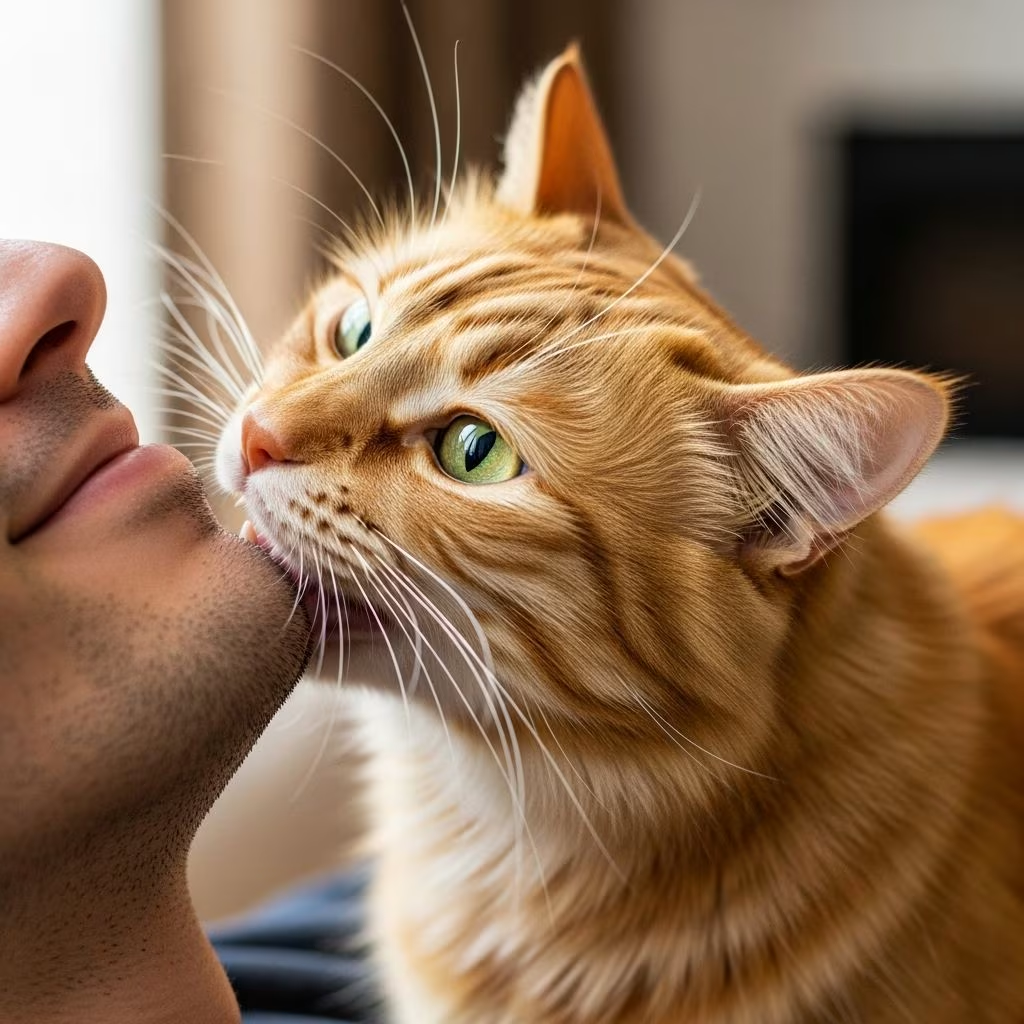
Your cat snuggles up, purring contentedly, only to suddenly nibble or bite your chin. This confusing behavior leaves many owners wondering if it’s play, love, or something more serious. Chin biting is common in cats and often stems from instinctual or emotional triggers. Understanding the context, body language, and patterns helps decode it. This guide covers the six primary reasons, warning signs, management strategies, and when to seek veterinary advice.
The 6 Reasons Your Cat Is Chin Biting
Cats bite chins for various reasons, often tied to their natural instincts, emotions, or physical sensations. Observe the situation leading up to the bite—petting, play, or relaxation—to pinpoint the cause. Some cats simply enjoy the texture or proximity of your chin during close bonding moments.
1. Affection
Cats express love through allogrooming, where they lick, nibble, or gently bite to bond, mimicking how they groom each other or kittens. If your cat purrs, kneads, or rubs against you before the bite, it’s likely a ‘love bite’ showing trust and affection. This behavior strengthens social ties, similar to primates grooming for closeness. Gentle chin nibbles during cuddles are harmless signs your cat views you as family.
2. Scent Marking
Felines have scent glands on their cheeks, chin, and forehead. Biting or rubbing your chin deposits their unique scent, marking you as ‘theirs’ and part of their safe territory. This reinforces bonding and deters rivals. Cats often target faces because they hold human scents from social interactions. If accompanied by head-butts or cheek rubs, it’s territorial affection.
3. Overstimulation
Extended petting or play can overwhelm a cat’s sensitive nerves. What starts as enjoyable quickly becomes too much, prompting a bite to signal ‘stop.’ Chin biting occurs if your face is near during these sessions. Watch for early cues like pausing purring or subtle shifts.
4. Petting-Induced Aggression
A specific overstimulation type, this aggression arises from intense stroking sensations on sensitive skin and fur. Cats give warnings before biting: backward ears, narrowed eyes, thumping tail, or twitching skin. Ignoring these leads to scratches or bites, especially on accessible areas like the chin during lap time. Poor early socialization or lack of littermate play can heighten sensitivity.
- Ears back: Indicates disturbance; cease petting immediately.
- Narrowed eyes: Pre-strike warning of overload.
- Thumping tail: Clear ‘enough’ signal; flailing shows rising frustration.
- Skin twitching: Early rippling along the back signals impending aggression.
5. Stress
Environmental changes, new pets, loud noises, or routine disruptions cause anxiety, leading to defensive bites. Stressed cats seek comfort but lash out if overwhelmed. Chin biting near the face may occur during tense cuddles. Monitor for other signs like hiding or appetite loss.
6. Reaction to Pain
Underlying health issues amplify touch sensitivity. Conditions like hyperesthesia syndrome cause exaggerated responses to stroking, especially near the tail base, but can manifest as chin biting if the cat is irritable. Common in breeds like Siamese or Burmese, it involves neurological hypersensitivity, leading to biting, scratching, or fleeing. Illness, injury, or dental pain also provokes reactions. Veterinary assessment rules out medical causes via exams and tests.
Why Do Cats Bite the Chin Specifically?
The chin’s prominence makes it an easy target during face-to-face interactions. Its bony, cornered shape mimics objects cats rub for gland stimulation, providing sensory pleasure. Proximity during petting or sleep positions it ideally for nibbles. Unlike feet or hands, the chin signals intimacy, aligning with affection or grooming motives. Specific targeting often blends multiple reasons, like scent marking plus play.
Cat Body Language: Reading the Signs Before a Bite
Deciphering signals prevents escalation. Cats communicate volumes non-verbally:
| Body Part | Positive/Relaxed Signs | Warning Signs |
|---|---|---|
| Ears | Forward and upright | Flattened backward |
| Eyes | Half-closed, slow blinks | Narrowed pupils |
| Tail | Gently swishing or held high | Thumping or lashing |
| Body | Arched for pets, purring | Skin rippling, tensing |
| Whiskers | Relaxed forward | Pulled back tightly |
Combine these with context: relaxed cues suggest affection; warnings indicate stop.
How to Stop Cat Chin Biting: 7 Practical Tips
Management focuses on prevention, redirection, and enrichment without punishment, which worsens stress.
- Observe Patterns: Note triggers like petting duration or times of day to anticipate and interrupt.
- Shorten Sessions: Limit pets to 2-3 minutes; pause at early warnings.
- Use Toys: Redirect energy to wand toys or balls, avoiding hands/face as play targets.
- Enrich Environment: Provide scratching posts, puzzle feeders, and climbing trees for mental stimulation.
- Respect Boundaries: Let cat initiate contact; withdraw attention calmly if biting starts.
- Positive Reinforcement: Reward calm behavior with treats or praise.
- Consult Vet: If persistent or with other symptoms, rule out pain or illness.
Consistency from all household members is key. Kittens learn bite inhibition from mothers; adults may need retraining.
When to See a Vet for Chin Biting
Occasional gentle nibbles are normal, but consult a vet if:
- Bites are hard, drawing blood, or frequent.
- Accompanied by aggression, lethargy, or hiding.
- Sudden onset in adult cats.
- Signs of pain like yelping or sensitivity elsewhere.
Hyperesthesia or dental issues require professional diagnosis, potentially involving meds or behaviorists.
Frequently Asked Questions (FAQs)
Q: Is it normal for my cat to bite my chin?
A: Yes, it’s common and usually harmless, stemming from affection, play, or overstimulation. Monitor context and intensity.
Q: How can I stop my cat from biting my chin?
A: Shorten petting, redirect to toys, enrich environment, and watch body language. Avoid punishment.
Q: Is chin biting a sign of aggression?
A: Rarely; usually affection or overstimulation. True aggression shows growling, hissing, or pinned ears.
Q: Why does my cat only bite my chin and not others?
A: You may be the primary bond; scent marking personalizes it. Facial proximity during cuddles targets it.
Q: Can kittens outgrow chin biting?
A: Yes, with proper play training teaching bite inhibition, though adults can learn too.
References
- Why Does My Cat Bite My Chin? — Dial A Vet. 2023. https://www.dialavet.com/blog/why-does-my-cat-bite-my-chin
- Lovey Lesson #2: The Chin Bite — Kitty Cat Chronicles. 2022. https://kittycatchronicles.com/home/lovey-lesson-2-the-chin-bite/
- Why Does My Cat Bite My Chin? 6 Vet-Verified Reasons — Catster. 2024-05-15. https://www.catster.com/cat-behavior/why-does-my-cat-bite-my-chin/
- Petting-Induced or Overstimulation Aggression in Cats — Humane Society of Huron Valley (HSHV). 2023. https://hshv.org/petting-induced-or-overstimulation-aggression-in-cats/
- Why Does My Cat Bite Me? 7 Reasons & How to Stop It — Lady N Pet. 2024. https://ladynpet.com/us/blog/why-does-my-cat-bite-me/
- Why does my cat bite me? — Cats Protection. 2023-10-10. https://www.cats.org.uk/cats-blog/why-does-my-cat-bite-me



