

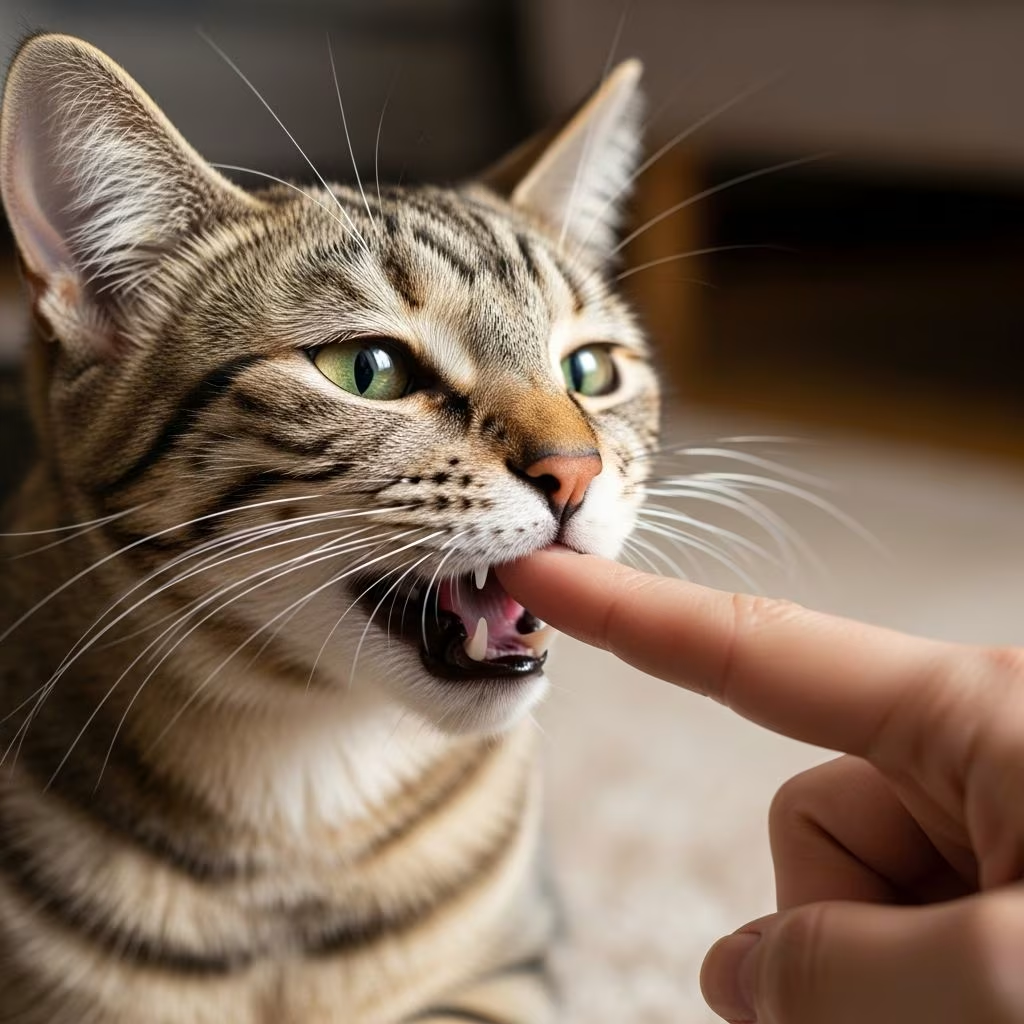
Cats are enigmatic creatures whose behaviours often puzzle their human companions. One of the most common frustrations cat owners face is sudden biting, which can range from gentle nips to more forceful chomps. Understanding why cats bite is crucial for fostering a positive relationship and preventing escalation. This behaviour stems from a cat’s natural instincts, learned responses, or underlying issues, and addressing it requires patience and insight into feline psychology.
Biting isn’t always aggressive; it can communicate needs, boundaries, or excitement. By decoding these signals, owners can respond appropriately, reducing incidents and strengthening the human-cat bond. Drawing from veterinary and behavioural expertise, this guide covers the primary reasons for cat biting, how to recognise triggers, and proven prevention strategies.
Reasons Why Your Cat Bites You
Cats bite for diverse reasons, often tied to their evolutionary traits as solitary hunters. Recognising the context—such as during play, petting, or unprovoked—helps pinpoint the cause. Below are the most frequent explanations, supported by animal behaviour insights.
Play-Related Biting
One of the top reasons cats bite people they know is play, mimicking hunting behaviours developed in kittenhood. Kittens learn bite inhibition through roughhousing with siblings, using mouths to explore and ‘hunt’. Without this socialisation, or if play needs aren’t met, adult cats may redirect energy onto hands or feet, seeing them as prey due to movement.
This is especially common in young cats or those with high energy levels. Rapid wiggling fingers during petting can trigger predatory instincts, leading to pouncing and biting. Encouraging toy-based play channels this drive appropriately, preventing habituation to human skin as a target.
Overstimulation (Petting-Induced Aggression)
Cats have sensitive thresholds for touch; excessive petting, especially on the belly or tail base, can overwhelm them, prompting a bite to say ‘enough’. Known as petting-induced or ‘love bites’, these gentle nips signal withdrawal of consent. Warning signs include tail thrashing, ear flattening, dilated pupils, and skin twitching.
Unlike dogs, cats prefer short, targeted strokes on the head and cheeks. Ignoring these cues risks escalation from nip to scratch. This behaviour is prevalent in sociable cats who enjoy affection but have limits.
Fear or Defensive Biting
Fear is the most common aggression trigger towards people, where biting serves as a defensive ‘offense’. New environments, loud noises, strangers, or painful past experiences can provoke this. Anxious cats may bite preemptively when cornered or restrained, prioritising escape.
In multi-cat homes, inter-cat tension can redirect onto owners. Body language like arched backs, hissing, or piloerection precedes bites, offering a chance to intervene.
Teething in Kittens
Kittens aged 2-7 months experience teething discomfort, chewing anything—including hands—to soothe gums. This phase passes with proper chew toys, but inadequate outlets can ingrain biting as a habit into adulthood.
Pain or Medical Issues
Uncharacteristic biting, particularly when touched, often signals pain from arthritis, dental disease, abscesses, hyperthyroidism, or toxoplasmosis. Cats mask illness, so sudden aggression warrants a vet visit to rule out health problems.
Redirected Aggression
Cats can’t always confront external stressors like neighbourhood felines or birds, redirecting frustration onto nearby humans. This appears unprovoked but stems from unresolved tension.
Territorial or Status-Related Biting
In multi-pet households, biting asserts dominance or defends resources like food bowls or resting spots. Intact males are prone, but neutering/spaying reduces hormone-driven aggression.
Insufficient Socialisation
Kittens not exposed to varied stimuli before 12 weeks may bite from poor bite inhibition or fear of handling. Early, positive interactions prevent lifelong issues.
How to Tell What Kind of Bite Your Cat Is Giving
Distinguishing bite types prevents misinterpretation. Play bites are inhibited, during interactive sessions with batting paws. Love bites are soft, post-petting with ambivalence signals. Aggressive bites are hard, with growling or swatting, indicating fear/pain. Context and preceding behaviour clarify intent—observe patterns for accuracy.
| Bite Type | Characteristics | Common Triggers |
|---|---|---|
| Play Bite | Gentle, playful, no vocalisation | Movement, toys, energy bursts |
| Love Bite | Soft nip, sudden end to petting | Overstimulation from stroking |
| Fear/Aggressive Bite | Hard, with hissing/swatting | Threats, pain, restraint |
How to Stop Cat Biting: 7 Tips
Managing biting involves redirection, training, and environmental tweaks. Consistency is key for reshaping behaviour.
- Never Use Hands as Toys: Dangle wand toys for chasing/pouncing, teaching humans aren’t prey. Rotate toys to combat boredom.
- Recognise and Respect Signals: Halt interaction at early warnings like tail flicks; provide space.
- Shorten Petting Sessions: Limit to 2-3 minutes, focusing on preferred areas; end on a high note.
- Enrich Environment: Offer scratching posts, cat trees, puzzle feeders for mental/physical outlets.
- Positive Reinforcement: Reward gentle play with treats/praise; ignore/withdraw for bites.
- Daily Playtime: 15-20 minutes twice daily mimics hunting, expending energy.
- Spay/Neuter: Reduces aggression in 90% of cases, per veterinary guidelines.
Teaching Bite Inhibition
Bite inhibition training instils controlled pressure. For kittens: yelp loudly on bites, pause play 30 seconds, resume with toys—mimics littermate reactions. Adults learn via consistent withdrawal of attention, substituting soft toys. Progress takes weeks; pair with rewards for soft mouths.
Cat Biting: When to Worry
Benign biting responds to management, but worry if: unprovoked, escalating, paired with litterbox issues/vomiting, or post-trauma. These signal medical/behavioural crises needing vet/behaviourist evaluation. Track incidents in a log for professionals.
Frequently Asked Questions (FAQs)
Why does my cat bite me gently?
Gentle bites often indicate overstimulation or affection boundaries. Stop petting and withdraw calmly.
Why does my cat bite me when I pet them?
This is petting-induced aggression from sensory overload. Watch body language and limit sessions.
Should I punish my cat for biting?
No—punishment increases fear. Use positive methods and ignore unwanted behaviour.
How do I train my cat not to bite?
Redirect to toys, end rough play, reinforce gentle interactions with treats.
Is cat biting a sign of illness?
Possibly, if sudden or touch-sensitive. Consult a vet to exclude pain/thyroid issues.
References
- Why do cats bite and how can it be prevented? — The Cat Behavior Clinic. 2023. https://www.thecatbehaviorclinic.com/why-do-cats-bite-and-how-can-it-be-prevented/
- Why does my cat bite me gently out of nowhere? — Modern Vet GA. 2024. https://modernvetga.com/why-does-my-cat-bite-me-gently-out-of-nowhere/
- Cat Aggression Toward People: Causes and Prevention — Best Friends Animal Society. 2023. https://bestfriends.org/pet-care-resources/cat-aggression-toward-people-causes-and-prevention
- How to Stop Your Cat Biting — Purina. 2024. https://www.purina.com/articles/cat/behavior/training/stop-cats-biting
- 9 Reasons Why Your Cat Bites You — GoodRx. 2024. https://www.goodrx.com/pet-health/cat/why-does-mycat-bite-me
- Aggression in Cats — ASPCA. 2023. https://www.aspca.org/pet-care/cat-care/common-cat-behavior-issues/aggression-cats



