

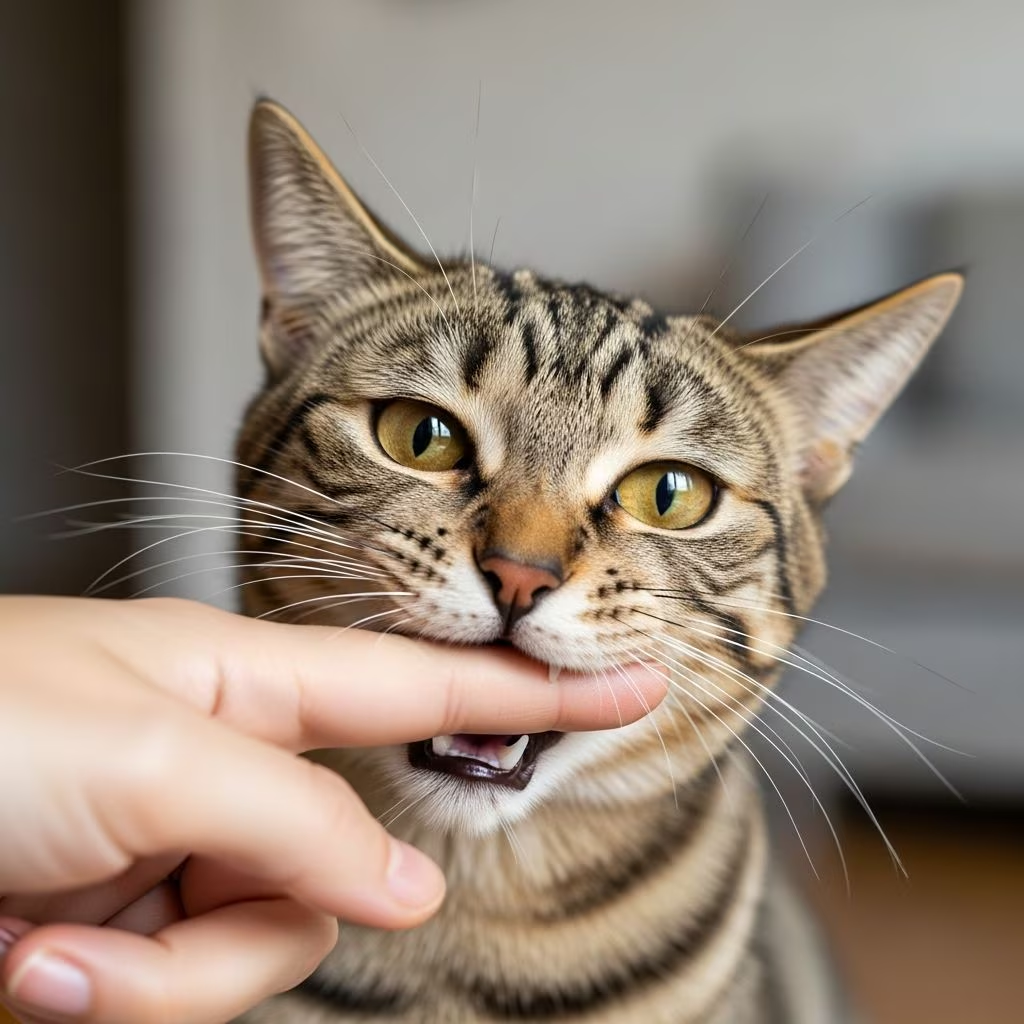
Cats are enigmatic creatures whose behaviours often puzzle their human companions. One of the most common frustrations cat owners face is unexpected biting. Whether it’s a gentle nibble during petting sessions or a sharper bite out of nowhere, understanding why cats bite is the first step to addressing it. This behaviour stems from a cat’s natural instincts, learned responses, or underlying issues, and it can be managed with patience, observation, and the right strategies.
In this comprehensive guide, we’ll explore the various reasons behind cat biting, how to recognise warning signs, immediate responses, long-term prevention techniques, and when professional intervention is needed. By respecting your cat’s boundaries and providing appropriate outlets for their energy, you can reduce biting incidents and strengthen your bond.
Reasons Why Your Cat Might Bite You
Cats bite for multiple reasons, often tied to their evolutionary instincts as predators or responses to their environment. Identifying the trigger is crucial for effective management. Here are the primary causes:
- Playfulness and Predatory Instincts: Cats are natural hunters, and biting is part of their play behaviour. Kittens learn bite control through play with siblings, but solo-raised cats or adults may redirect this onto hands or feet, perceiving movement as prey.
- Overstimulation (Petting-Induced Aggression): What starts as enjoyable petting can turn into biting when a cat reaches its sensory threshold. Common during prolonged stroking, especially on the belly or tail.
- Fear or Anxiety: A threatened cat may bite defensively. Warning signs include flattened ears, dilated pupils, and hissing. This is the most common aggression type towards familiar people.
- Attention-Seeking: Biting effectively grabs your focus, especially if your cat is bored. Feet attacks often signal a need for play.
- Pain or Medical Issues: Cats in discomfort from injuries, arthritis, or dental problems may bite when touched. Sudden changes warrant a vet visit.
- Teething (Kittens): Young cats chew to relieve gum pain, mistaking fingers for teething toys.
- Territorial or Dominance Issues: In multi-cat homes, biting asserts hierarchy or defends space.
- Redirected Aggression: Stress from external stimuli (e.g., neighbourhood cats) can lead to biting humans.
- Lack of Bite Inhibition: Kittens not socialised with littermates may not learn to moderate bite strength.
Warning Signs Your Cat is About to Bite
Attuned cat owners can prevent many bites by reading body language. Cats rarely bite without cues:
- Dilated pupils indicating arousal or stress.
- Tail swishing, thrashing, or puffing up.
- Flattened ears against the head.
- Rippling skin, tense muscles, or crouched posture.
- Hissing, growling, or skin twitching during petting.
- Sudden stillness before a strike.
Recognising these early allows you to back off, averting escalation. Pay special attention during petting—most cats enjoy chin scratches but dislike belly rubs.
What to Do When Your Cat Bites You
Immediate reactions shape future behaviour. Stay composed to avoid reinforcing the action:
- Stay Calm: No yelling or sudden jerks—these mimic prey and heighten arousal.
- Stop Interaction: Cease petting or play instantly. This teaches biting ends fun.
- Withdraw Slowly: Move away gently without pulling hands quickly.
- Clean the Wound: Wash bites promptly to prevent infection, as cat mouths harbour bacteria.
- Redirect: Offer a toy to shift focus positively.
What NOT to Do:
- Never hit, yell, or punish physically—it increases fear and aggression.
- Avoid hand-play; use toys only.
- Don’t ignore medical checks for persistent biting.
How to Stop Your Cat from Biting: Prevention Strategies
Proactive steps address root causes and promote better habits:
Enrich Your Cat’s Environment
- Provide scratching posts, climbing trees, and puzzle feeders to combat boredom.
- Rotate toys weekly to maintain interest.
- Schedule 15-20 minutes of daily interactive play with wand toys mimicking prey.
Respect Petting Boundaries
- Keep sessions short (5-10 minutes); end on a high note.
- Pet preferred areas: head, cheeks, chin. Avoid belly, paws, tail.
- Watch for cues and stop at first sign of discomfort.
Training Bite Inhibition
Teach control through consistent responses, effective for kittens and adults:
- Say “no” firmly and end interaction on hard bites.
- Offer soft toys as alternatives; praise gentle mouthing.
- Use positive reinforcement: treats for calm behaviour.
- For kittens, mimic littermate yelps with high-pitched “ouch!”.
Address Underlying Issues
| Issue | Solution |
|---|---|
| Fear/Anxiety | Provide hiding spots, pheromone diffusers, desensitisation. |
| Multi-Cat Tension | Slow introductions, separate resources. |
| Boredom | Enrichment toys, routine play. |
| Health Pain | Vet exam, pain management. |
Spay/neuter reduces hormone-driven aggression.
Teaching Adult Cats and Kittens Differently
Kittens respond quickly to play-based training, learning inhibition via toys and timeouts. Adults may need more environmental tweaks and patience. Consistent cues build trust over weeks. Clicker training reinforces desired actions effectively.
Frequently Asked Questions (FAQs)
Why does my cat bite me gently then run off?
This is often overstimulation or play ending. They’ve reached their limit and seek space.
Should I ignore my cat after a bite?
Yes, briefly withdraw attention. Re-engage positively later with toys.
Is cat biting a sign of affection?
Gentle nibbles can be, mimicking grooming, but respect boundaries to avoid escalation.
When should I see a vet or behaviourist?
If biting is sudden, frequent, unprovoked, or with other symptoms like lethargy—rule out pain first.
Can all cats be trained out of biting?
Most improve with management; severe cases may need professional behaviourists.
How long does it take to stop cat biting?
Weeks to months with consistency; track progress in a journal.
Understanding and addressing biting transforms frustrating encounters into opportunities for deeper connection. By decoding your cat’s signals and providing outlets, you’ll enjoy a peaceful, playful companionship.
References
- Why does my cat bite me gently out of nowhere? — Modern Vet GA. 2023-05-15. https://modernvetga.com/why-does-my-cat-bite-me-gently-out-of-nowhere/
- Why do cats bite and how can it be prevented? — The Cat Behavior Clinic. 2024-02-10. https://www.thecatbehaviorclinic.com/why-do-cats-bite-and-how-can-it-be-prevented/
- How to Stop Your Cat from Biting — PetMD. 2025-01-01. https://www.petmd.com/cat/behavior/how-to-stop-a-cat-from-biting
- Cat Aggression Toward People: Causes and Prevention — Best Friends Animal Society. 2023-11-20. https://bestfriends.org/pet-care-resources/cat-aggression-toward-people-causes-and-prevention
- 9 Reasons Why Your Cat Bites You — GoodRx. 2024-08-05. https://www.goodrx.com/pet-health/cat/why-does-mycat-bite-me
- Why does my cat bite me? — Cats Protection. 2023-09-12. https://www.cats.org.uk/cats-blog/why-does-my-cat-bite-me
- Cat Bites to People — Maddie’s Fund. 2022-07-18. https://www.maddiesfund.org/cat-bites-to-people.htm



